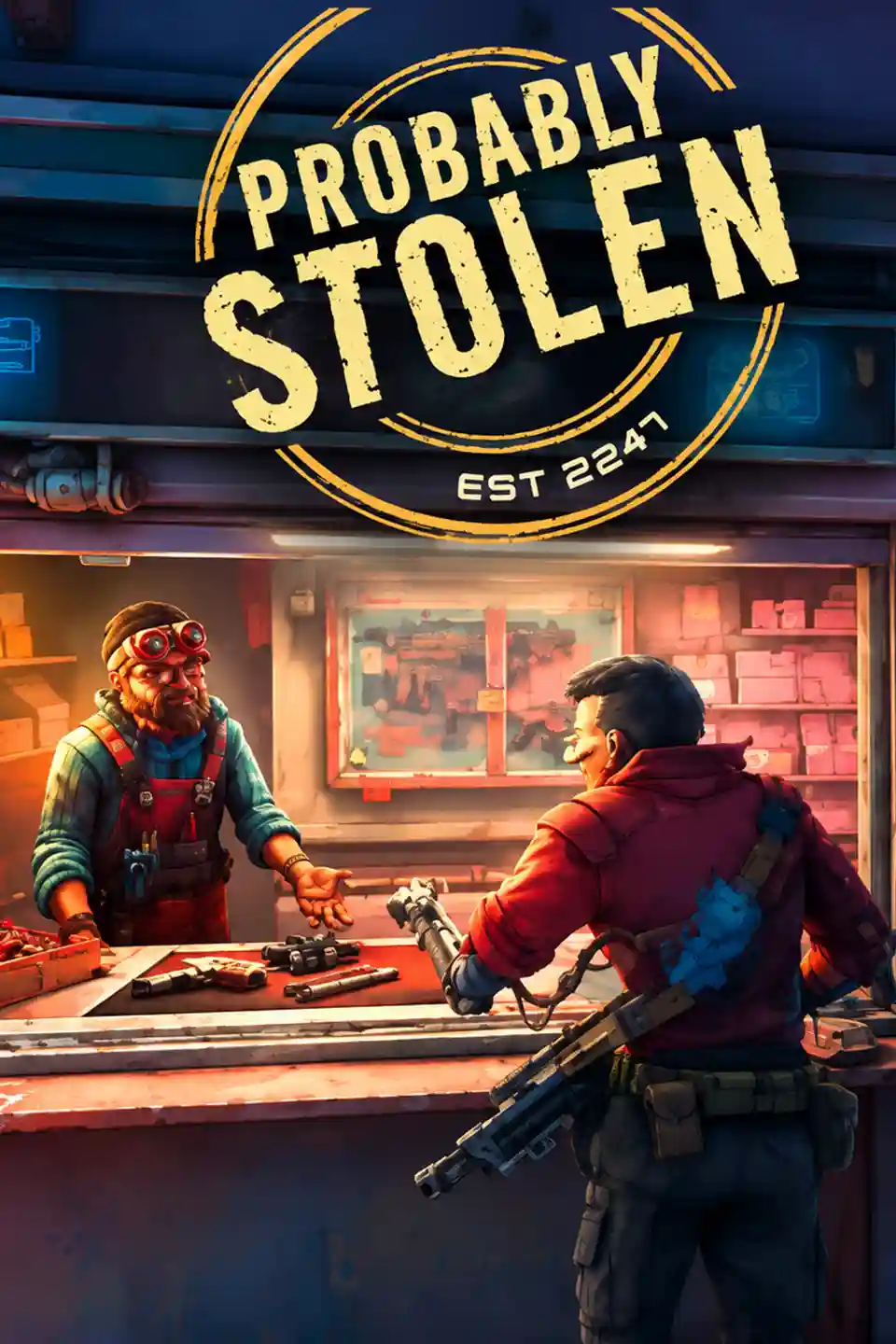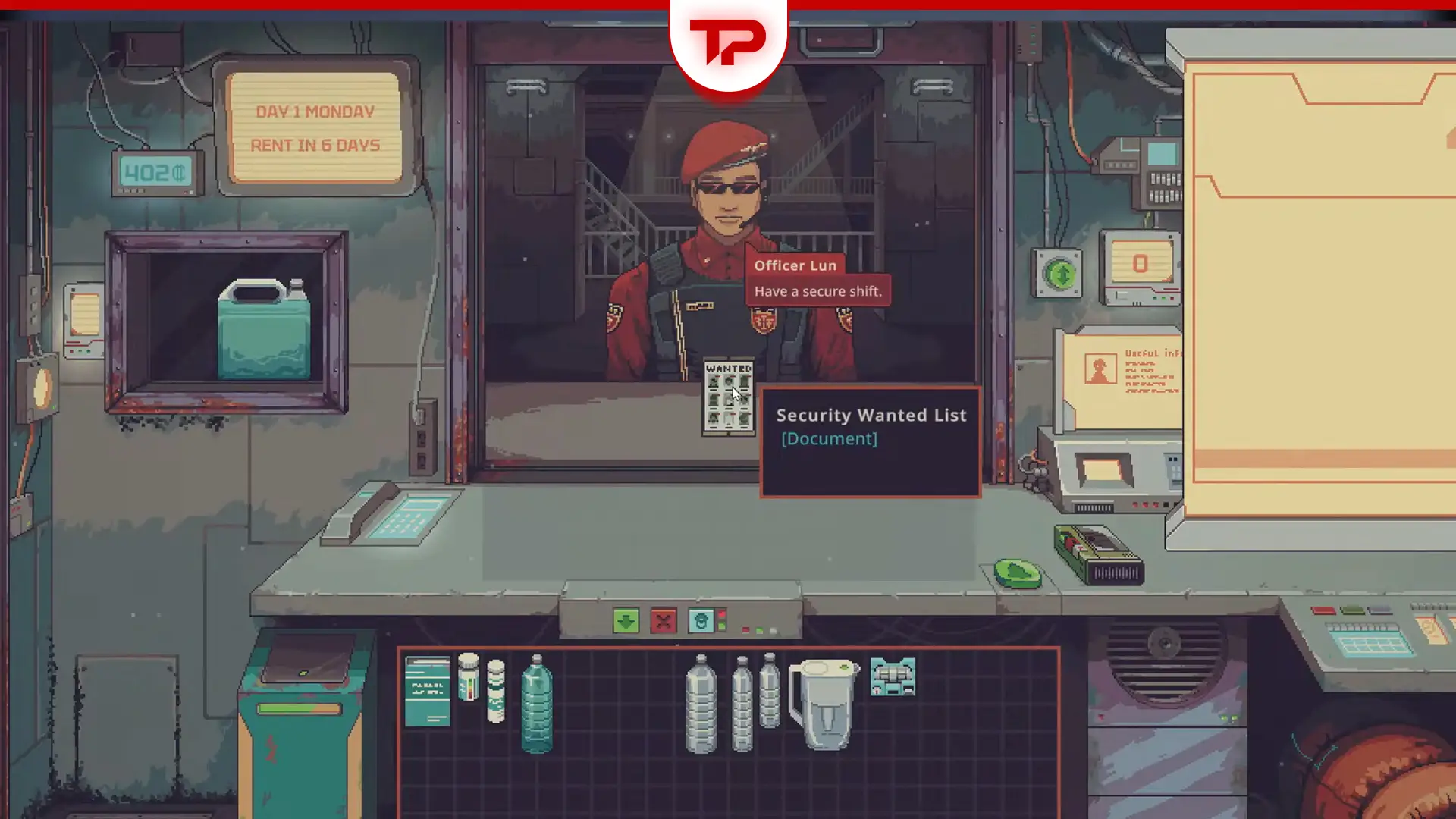


Probably Stolen looks like a cozy little shop simulator, until the rent notice arrives and you face so many challenges with customers and money.
Welcome to this chaos, where every deal is a gamble and your storefront is one bad inspection away from becoming a cautionary tale.
Your job is simple on paper: buy stuff, sell stuff, keep the lights on and somehow scrape together enough credits to buy the place outright before the landlord decides you’re more valuable as a cautionary example. Easy, right? The early game has a habit of laughing at that optimism.
Find What You Want:
How Probably Stolen Works
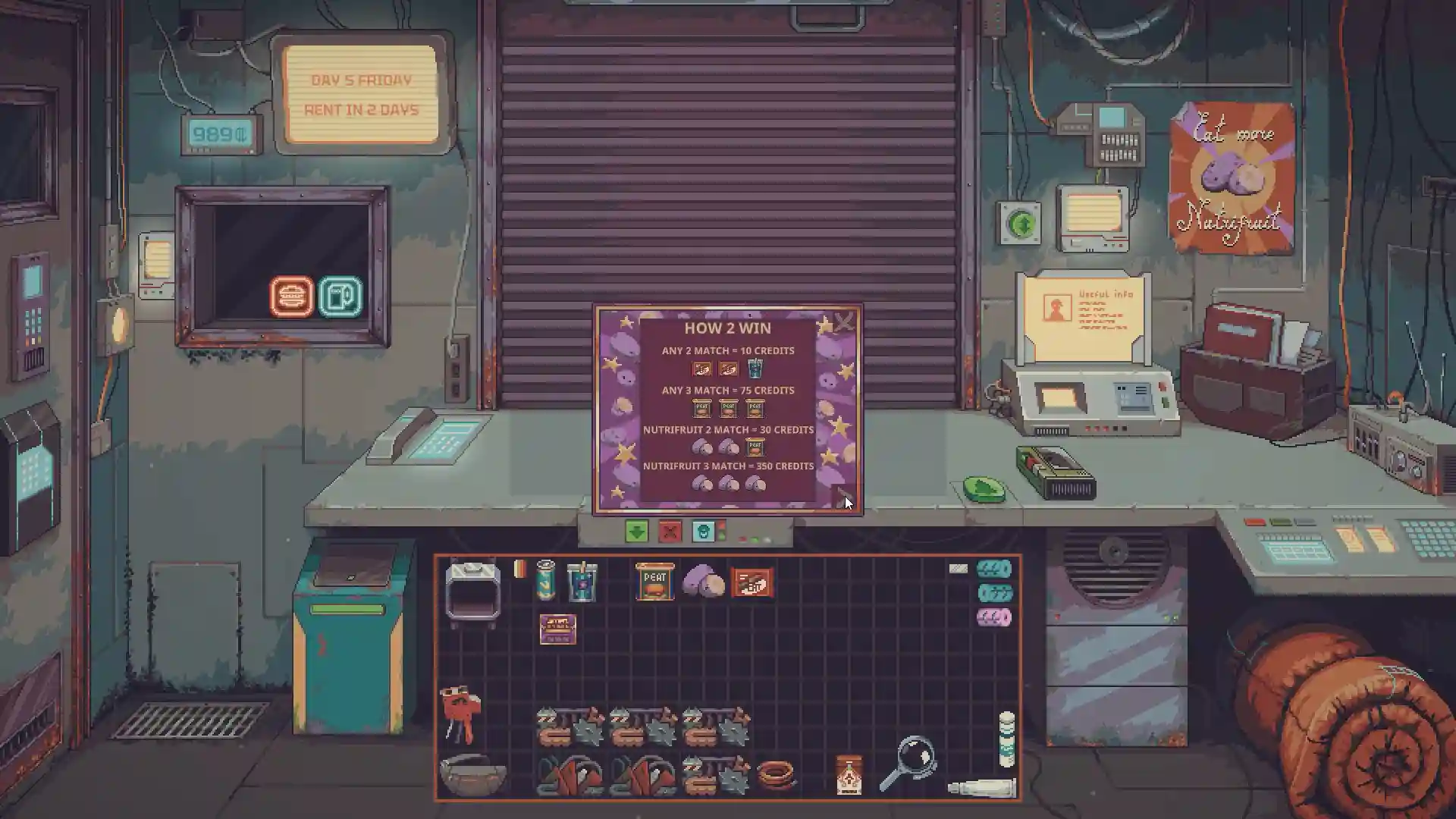
You start with a storefront, a handful of goods and a rent deadline that already feels personal. Every day you open the shutters, deal with whatever weirdos walk in, buy low, sell high (or at least higher than you paid), manage inventory and try not to get scammed into oblivion. Overnight you can scavenge the dumping grounds, visit special contacts, run machines and pray your power cells don’t die at the worst possible moment.
The long-term goal is straightforward: earn enough money and reputation to buy out your shop. Until then you’re just renting and the rent has a nasty habit of climbing.
Probably Stolen Starting Scenarios Explained
The game gives you a few different ways to begin life as an entrepreneur. Here’s what I’ve experienced so far:
| Scenario | What You Sell | Main Risk |
| Water Merchant | Water (filtered, bottled, graded) | Liability, quality testing, demand swings |
| Rat Wrangler | Rats (and eventually meat) | Disease, overcrowding, slow early growth |
| Rock Bottom | Basically nothing useful | Everything is harder |
The Water Merchant start is the shiny new demo option..
Best Starting Scenario for Beginners
Water Merchant is one of the easiest starts to understand because its gameplay loop is straightforward. You get testing strips, a filter setup, a jug and the bottle printer right away. It’s still possible to mess up (hello, ghost water), but the core loop is clear and the goods are always in demand.
Rat Wrangler is more of a mid-game snowball once you figure out breeding and culling. Rock Bottom is exactly what it sounds like, the game looking you dead in the eye and saying good luck.
Probably Stolen Water Merchant Guide
This is the big new demo starting path. To start it, pick the Water Merchant scenario (or the water-focused training path). You begin with testing equipment, purification tools, extra storage, water containers and usually a bottle printer. Hard mode is available if you want the rent and markup to feel extra spicy.
How water trading works
Here’s everything you must know about this business:
- Test everything. Strips tell you if you’re looking at base, high-quality, pure, rust or the dreaded ghost water.
- Filter and purify. Rust water can be stepped up, base water can become high-quality and pure water is the premium stuff.
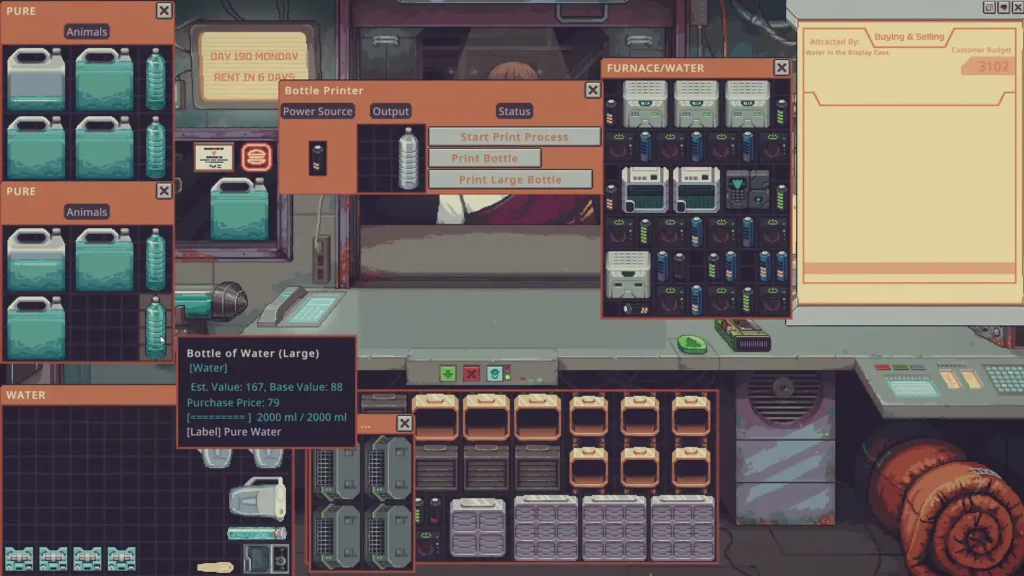
- Bottle it. The bottle printer (and its upgrades) lets you turn bulk water into sellable containers. Larger bottles become available after upgrades.
- Sell it. Demand fluctuates. Shortages and surpluses hit regularly, so timing matters.
Water carries real liability. Sell the wrong grade to the wrong person and you can lose reputation or face angry returns. Keep some testing strips and filters in reserve.
Water Merchant Tips
In these hours of playing, I learned that you shouldn’t dump your entire bank into stock on day one. Rent is coming and it’s serious!
Upgrade the bottle printer and storage gradually. Watch the newspaper and market events because water shortages can create profitable opportunities if you are prepared.
A fridge can chill or freeze water for extra value or longer storage, but it eats power and pure water and high-quality water are your money-makers here.
How To Make Money in Probably Stolen
The golden rule is older than capitalism itself: buy low, sell high, never trust a deal that looks too good. But seriously, the game follows this rule for real.
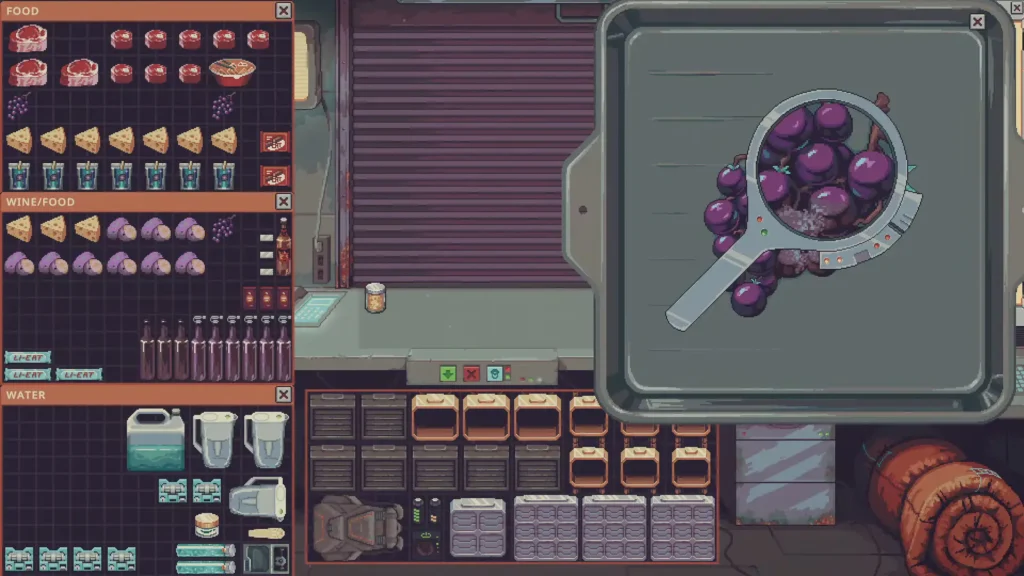
Sell items with good margins. Food, medical supplies, materials, household goods, substances, and weapons all have their days. Watch for demand spikes (weapon demand, medical shortage, household relief drives, etc.). Age wine when you can, older bottles sell for more.
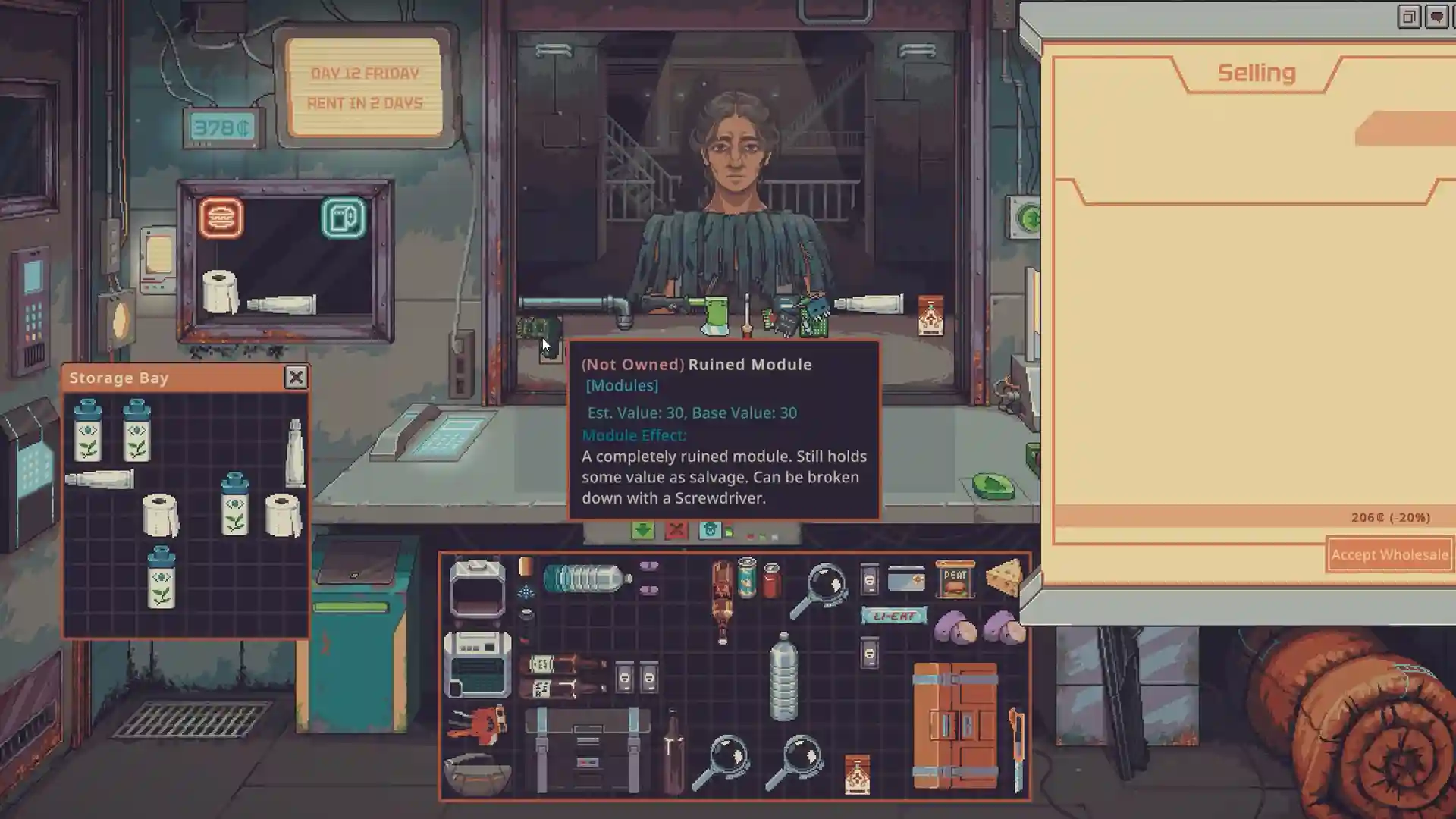
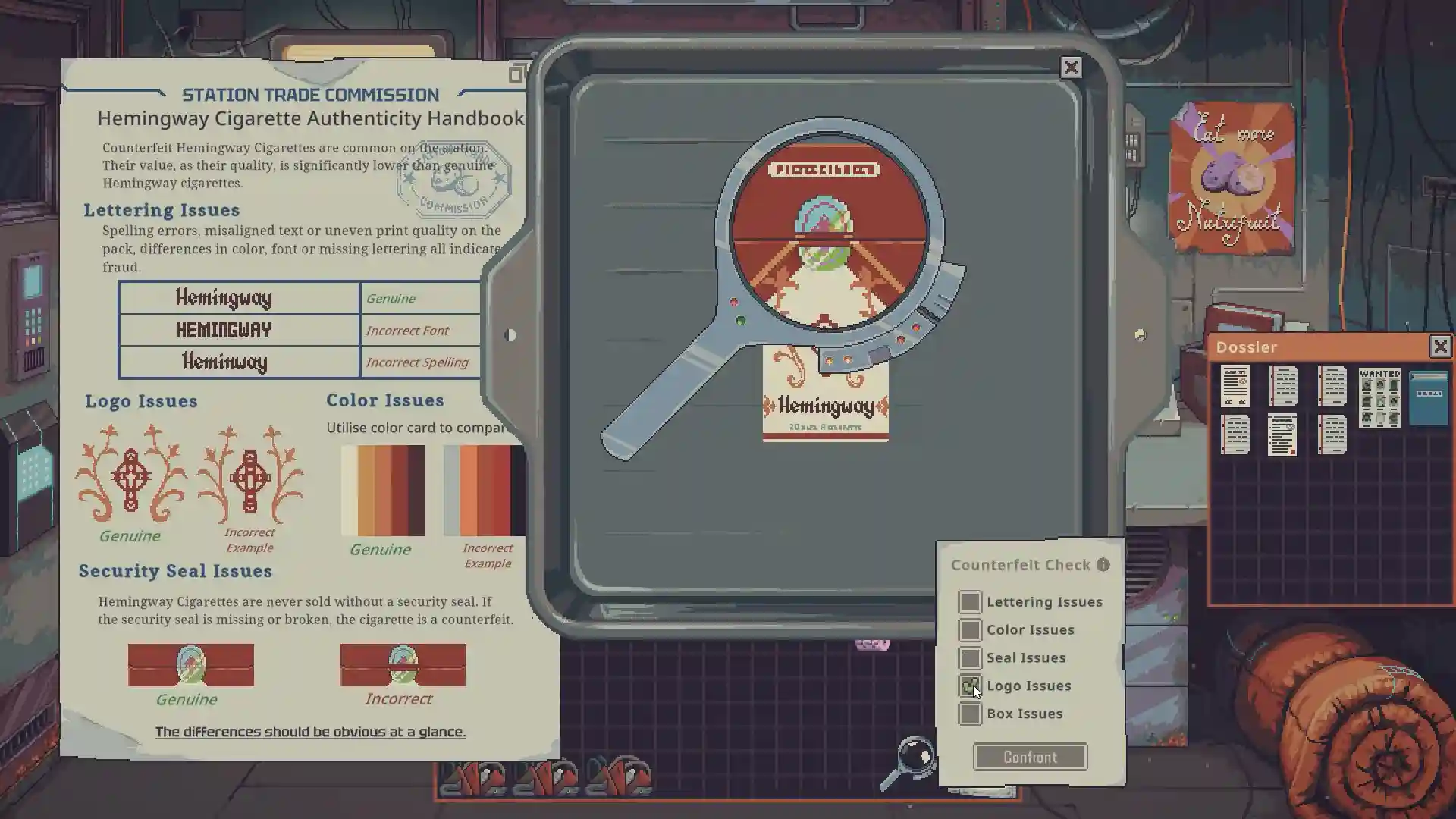
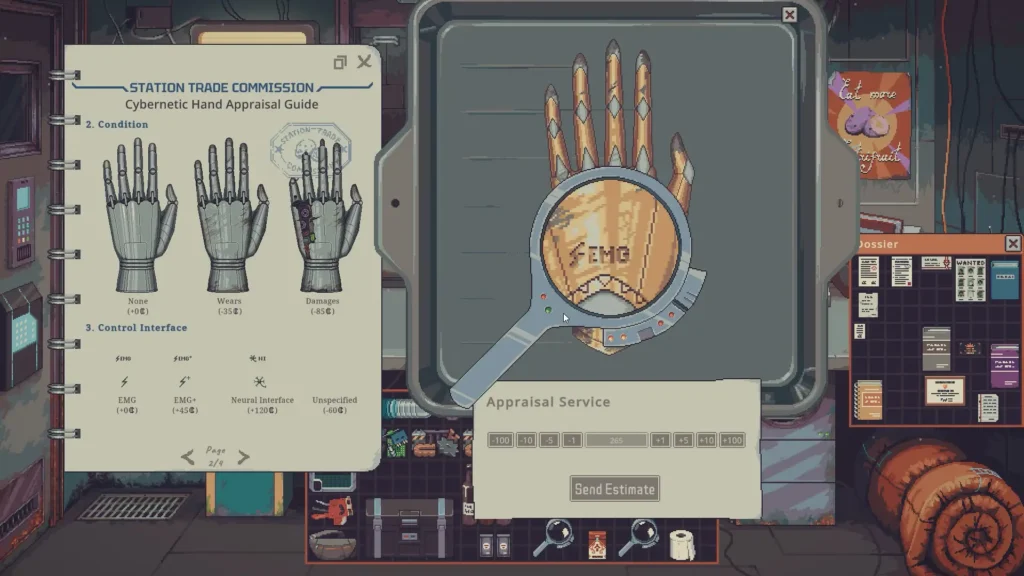
Also, don’t forget to Inspect goods before buying. The magnifying glass and handbook are your best friends. Counterfeit cigarettes, fake Hemingway packs, damaged injectors, and mislabeled water are everywhere. One discrepancy is enough to confront the seller and force a lower price. Get it wrong and you lose reputation.
Side Income Sources
These may help you a lot:
- Scavenging the dumping grounds for scrap, meds, tools and the occasional jackpot.
- Appraisal services once you join the board (entry fee is worth it).
- Special contacts like Dr. Jackson (modules, machines, cards), Giorgio (random weird finds and the occasional legendary deal) and the wine maker.
- Rat farming once the colony is stable, big rats become meat and profit.
- Selling to the right customer type (upper-level citizens pay premiums; lower-level buyers are volume).
Probably Stolen Rent Explained
Rent is the silent boss fight. It starts manageable and climbs. Missing rent payments creates problems and can put pressure on your business. The game is very clear that falling behind on rent is how runs die.
Pay it. Always. Even if it means selling something you wanted to keep.
How To Buy Your Shop in Probably Stolen
This is the real endgame. Stack credits, expand carefully, max useful reputation and eventually buy the property. Everything else: the machines, the modules, the fancy wine cellar, is just scaffolding so you can one day tell the landlord to take a hike.
Probably Stolen Trading Guide
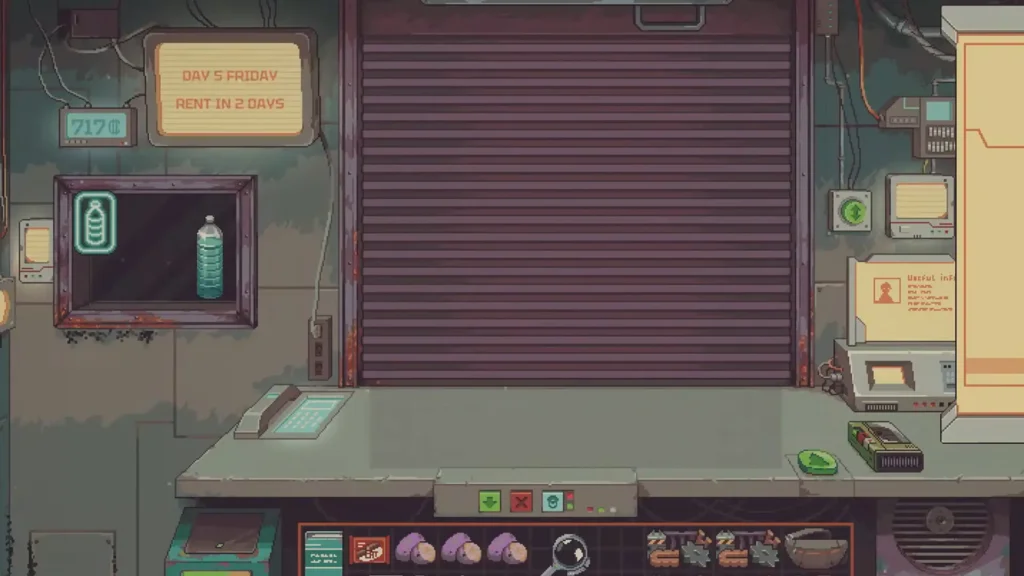
Trading is the main challenge in Probably Stolen. Learn it and the game will be more satisfying.
Buying
Inspect. Always. Compare the asking price to what you know the item is worth. Wholesale deals are often worth it if the goods are clean. Walk away from obvious scams even if the discount looks juicy.
Selling
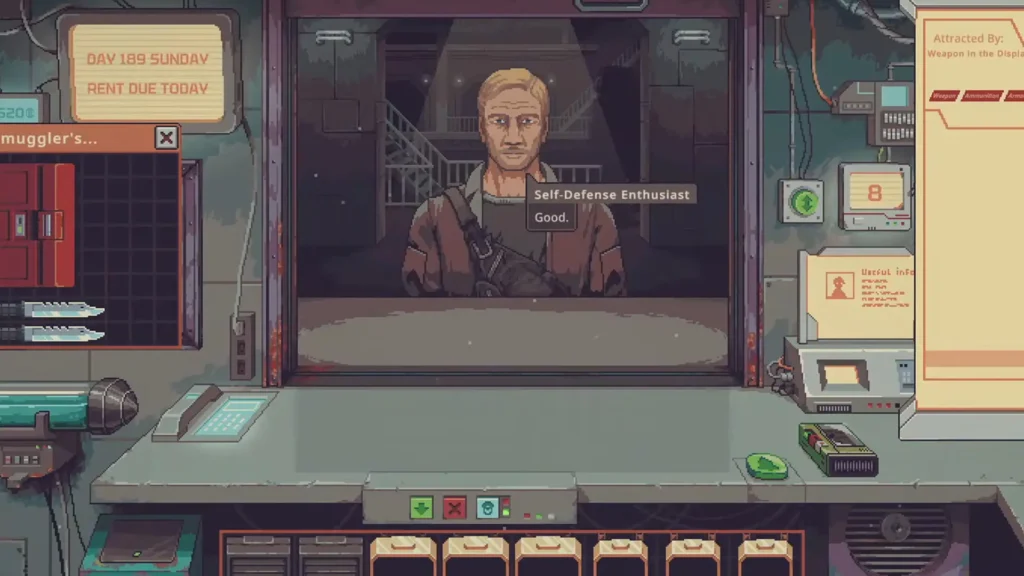
Match the customer. Station engineers love modules and materials. Security types want weapons and ammo (but be careful). Upper-level buyers will pay more for quality. Lower-level buyers are volume and less picky. Put the right goods in the window or display case to attract the right people.
Haggling
You can push for better prices or offer discounts. Higher reputation makes people more willing to deal. Some customers will try to lowball you or slip in counterfeits, call them on it when you can.
How To Deal with Stolen Goods & Contraband
The game is literally called Probably Stolen for a reason. Stolen goods and contraband are common and profitable, until they aren’t.
Hide the spicy stuff in dedicated storage (smuggler’s bays is a good option). Selling to the right shady contacts is fine. Selling to the wrong person or leaving contraband in the open display, can trigger inspections, sting operations or reputation hits with security.
Reporting mid-level or higher contraband sellers to security can earn you money and security rep, but it tanks your standing with the lower levels and black market.
Treat illegal goods like radioactive cats: profitable if handled carefully, catastrophic if they get out.
Probably Stolen Factions and Reputation Explained
Different groups are watching. Security, the lower levels, the black market and various customer factions all track how you behave. High reputation with a group makes them more generous, less likely to scam you and more willing to buy. Low reputation means higher prices, fewer deals and more trouble.
Maxing reputation with key groups is one of the strongest long-term plays. It doesn’t make you invincible, but it makes life a lot smoother.
Probably Stolen Customers Explained
You’ll meet station engineers, security contractors, scavengers, inventors, pharmacists, upper level elites, lower level buyers, wanted criminals and the occasional pure weirdo. Some are honest. Some are testing you. Some are actively trying to scam you or fence hot goods. A few are on the wanted list.
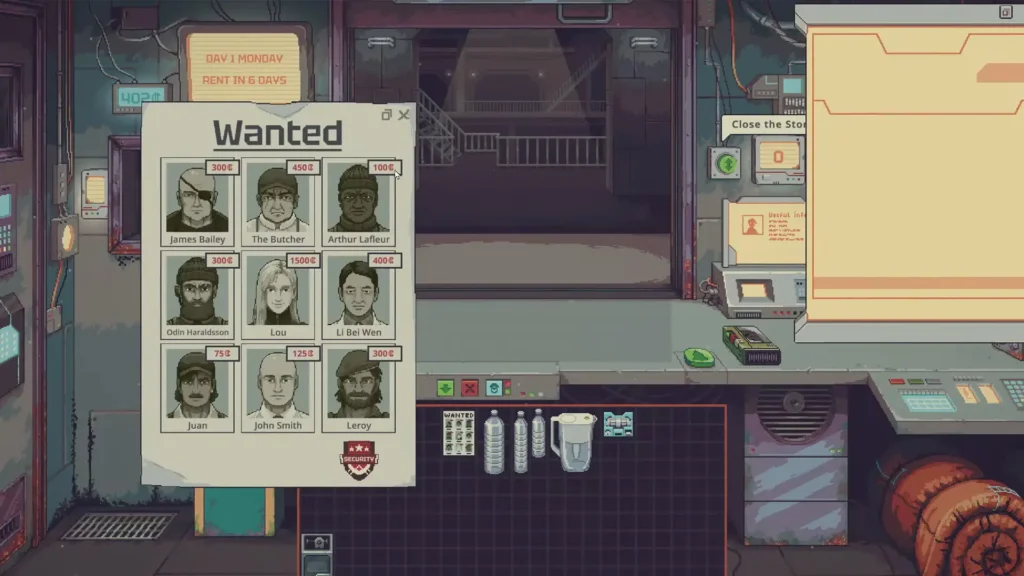
Don’t trust everyone. Check the wanted posters. And never assume the person offering you a great deal on medical injectors is doing you a favor.
The Game Machines and Crafting Guide
Machines are how you turn junk into money.
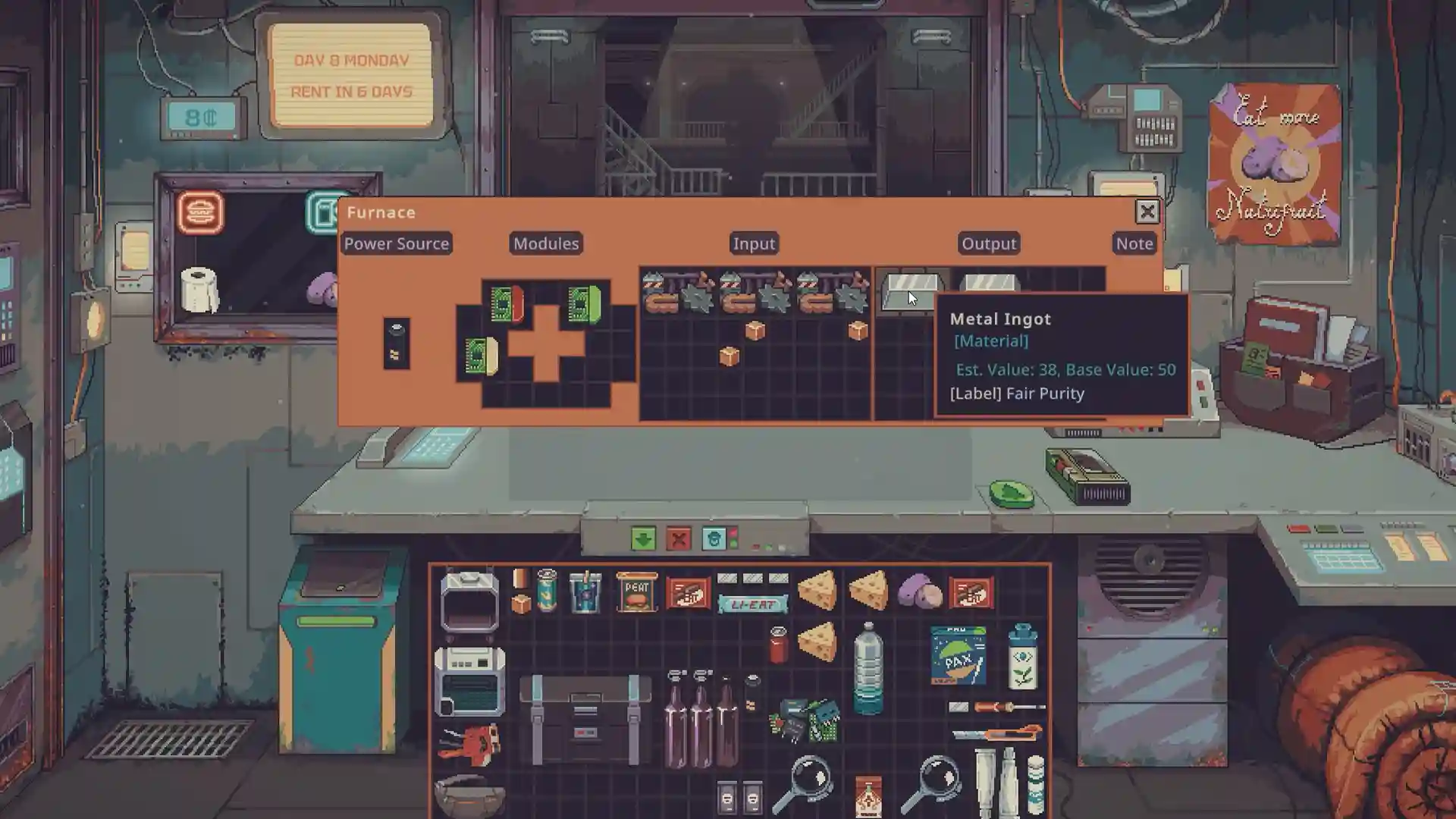
- Furnace: scrap and ore into ingots.
- Bottle printer: turn bulk water into sellable bottles (upgradable for larger sizes).
- Modules: efficiency, performance, quality, refinement. Slot them into machines for better output. Some degrade or have downsides.
- Fridge: chill or freeze water and other goods.
- Battery systems and chargers: everything runs on power. Dead batteries mean dead machines.
- Wine setup: ferment and age grapes into increasingly valuable bottles.
- Rat cages: breed, feed, cull, profit.
Power management is a constant puzzle. Efficiency modules and good battery habits keep the lights on without bankrupting you.
Probably Stolen Tips and Tricks
Here is the rest of the tips I learned so far. I hope they help you as well:
- Always leave a cash buffer for rent.
- Inspect every risky item. The magnifying glass exists for a reason.
- Watch the newspaper and market events, shortages and surpluses are free money if you’re prepared.
- Upgrade production slowly. A fancy machine you can’t afford to run is just expensive furniture.
- High reputation is better than almost any single item.
- Don’t ignore the dumping grounds, but don’t go every single night if it costs you customers.
- Age the good wine. Future-you will thank present-you.
- When in doubt, sell the thing. Dead inventory doesn’t pay rent.
The game doesn’t care about your feelings. It only cares whether you can keep the shutters open another day. Buy smart, sell smarter, never stop checking the fine print on those “genuine” Hemingway cigarettes.
Important Note: This text has been written based on the demo version of the game. Some aspects of the game may be changed after the full release. This text will be updated then.