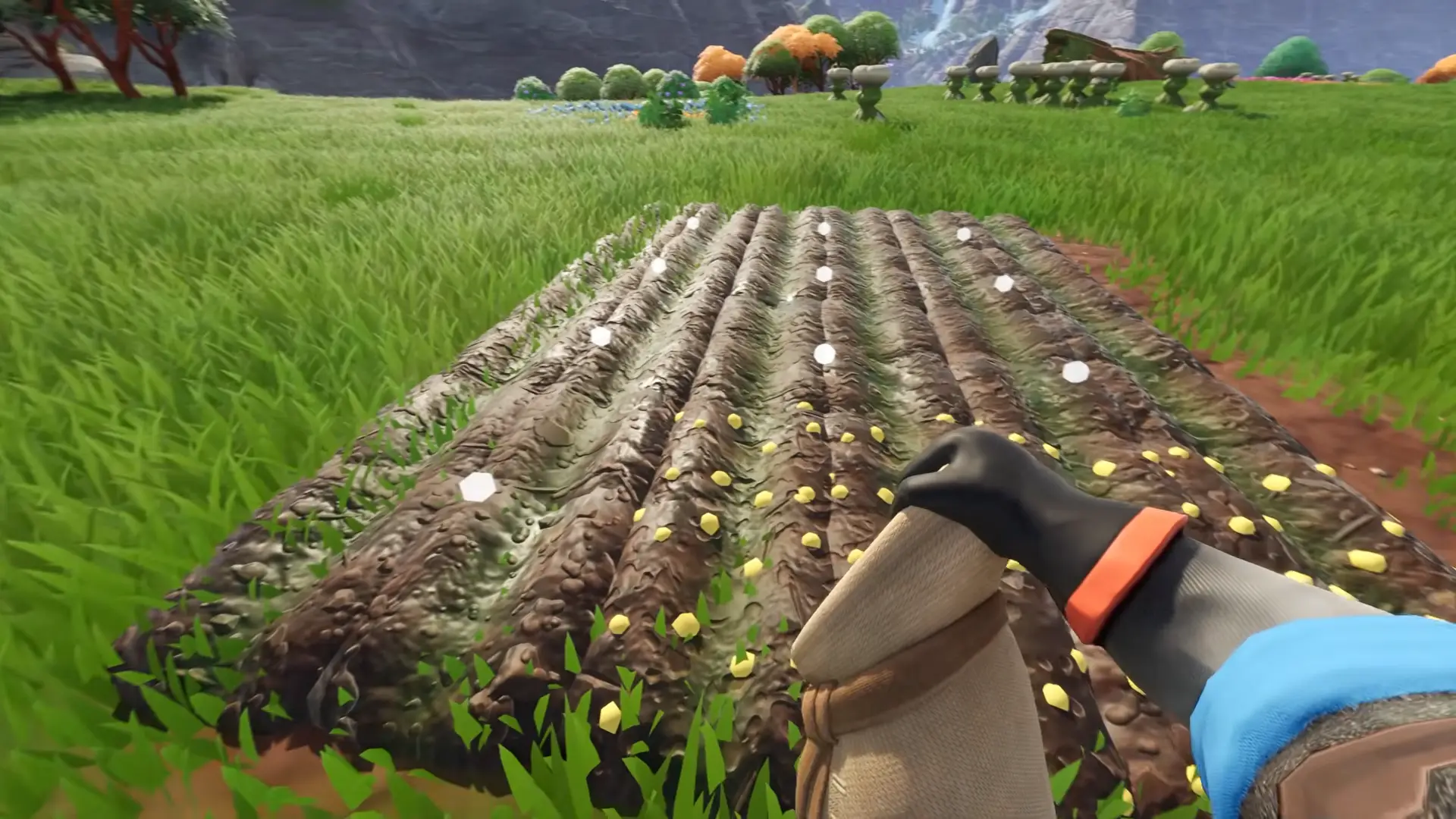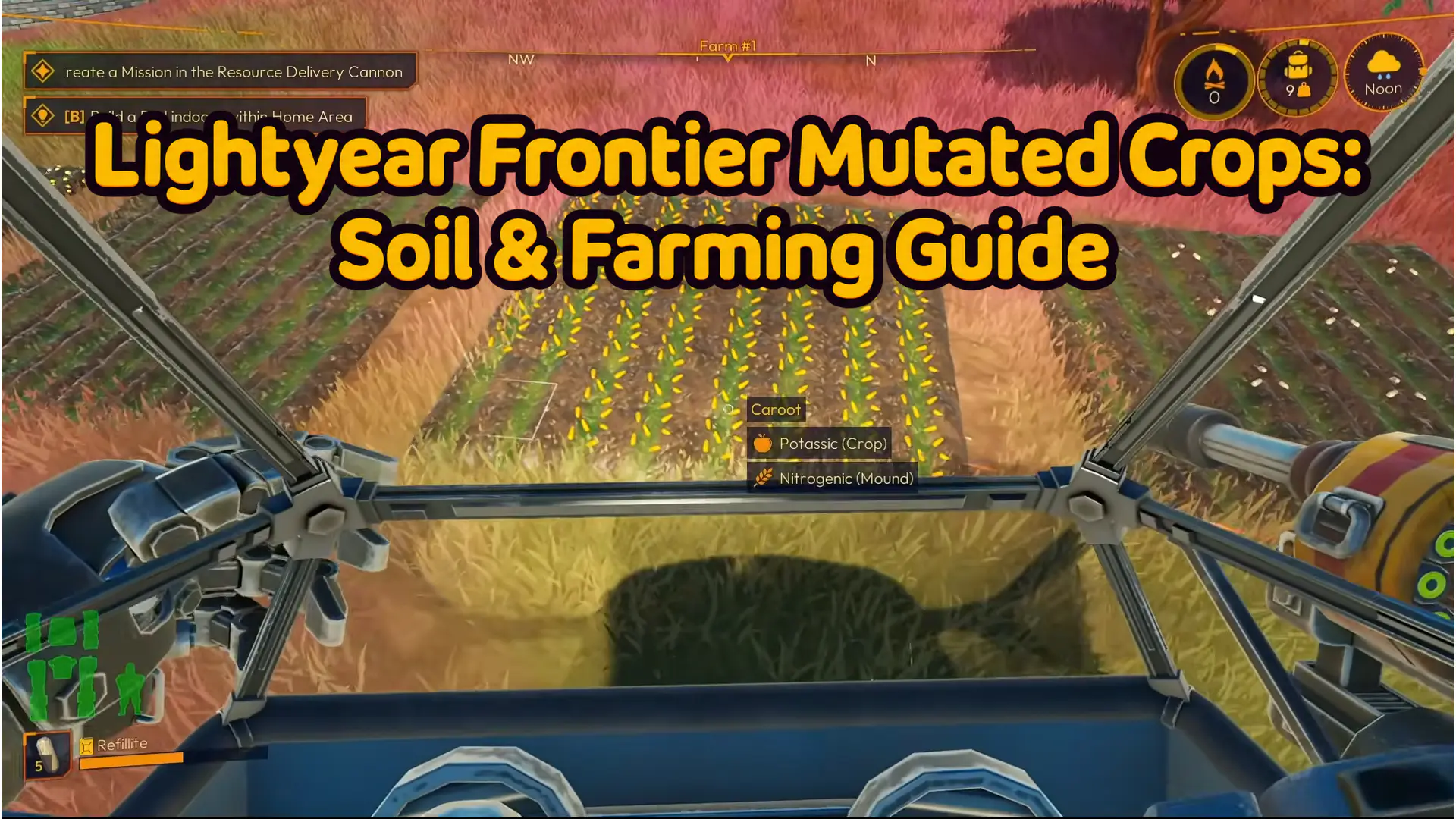


In Lightyear Frontier, Mutated Crops are very profitable. Now, with the 1.0.0 release of the game, they are rebalanced and more useful than ever. Soil additives now have their own category, called Mulch. This points to the fact that mutated crops are reliant on the type of soil you grow them on. For Wheat and Zappertwig, you need Potassic soil. For Polyberry, Caroot, and Honeybottle, you have to use Phosphoric soil. Finally, for Rabbage and Lumbloom, Nitrogenic soil is needed. Now, if you still need more information, follow along.
All things mutated in Lightyear Frontier:
How to Get Mutated Crops in Lightyear Frontier
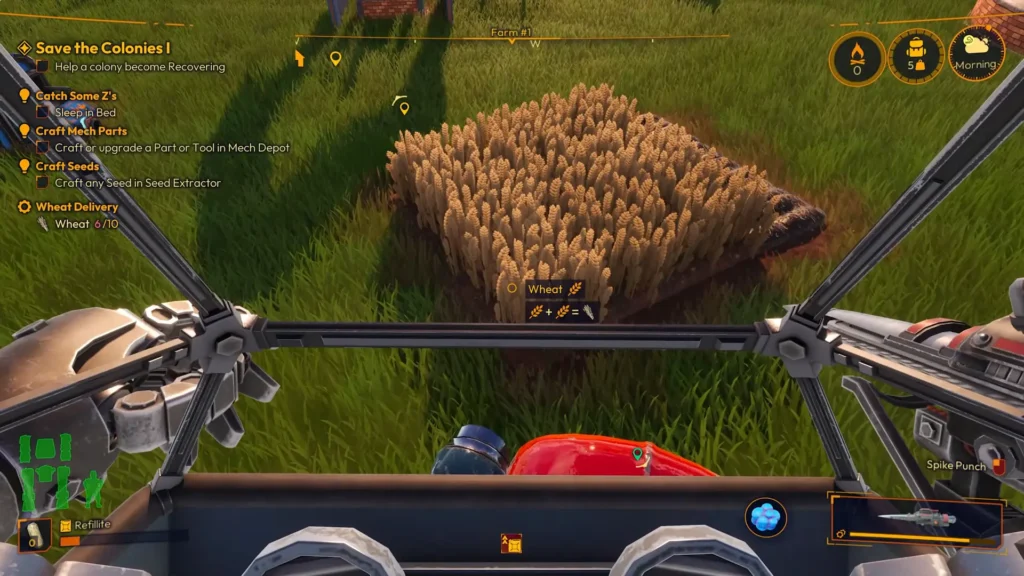
Getting mutated crops in Lightyear Frontier is very simple. You need to learn the relationship between the crop and the type of soil that mutates it. Most crops in this game are affected by three types of soil: Nitrogenic, Phosphoric, or Potassic. By mixing and matching these types of soil with different crops, you get the correct combination.
All Mutated Crops and Required Soil Types
I made a table for all 8 crops in the game. I have included the type of soil that mutates the crop and the type that makes the crop high-yield.
| Normal Crop | Crop Type | Growth Time | Soil for Mutation | Soil for High Yield |
|---|---|---|---|---|
| Wheat | Nitrogenic | 1 day | Potassic | Phosphoric |
| Polyberry | Potassic | 2 days | Phosphoric | Nitrogenic |
| Rabbage | Phosphoric | 2 days | Nitrogenic | Potassic |
| Caroot | Potassic | 3 days | Phosphoric | Nitrogenic |
| Chromaize | Nitrogenic | 3 days | Potassic | Phosphoric |
| Honeybottle | Potassic | 4 days | Phosphoric | Nitrogenic |
| Lumbloom | Phosphoric | 4 days | Nitrogenic | Potassic |
| Zappertwig | Nitrogenic | 4 days | Potassic | Phosphoric |
How Normal, High-Yield, and Mutated Crops Work
Normal crops are the backbone of this game. You plant and harvest them and use them to advance the game, fulfil requests, or make recipes.
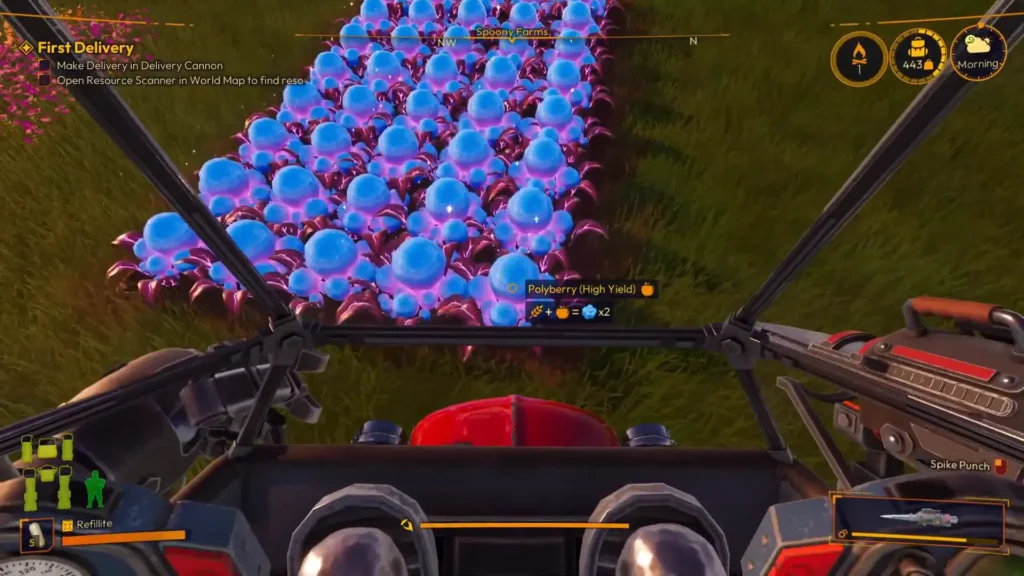
High Yield does the same as normal crops. They are just much more than usual. They give you nearly double the harvest of normal crops, so overall more profit than normal crops.
Mutated Crops are different than normal crops in almost everything, from appearance to price. They are also used in advanced crafting recipes, and unique trader requests are made for them.
How to Use Mulch and Fertilizer
Fertilizers are now specifically the items that affect the output of a crop, not affecting the soil. To use fertilizers, you need to use the Fertilizer Infuser (Formerly known as Compost Box). But Mulch is the item that specifically affects the chemistry of the soil and changes it. To Apply Mulch:
- Craft Mulch at the Fertilizer Infuser.
- Select the Irrigation Hose
- Load the Mulch
- Spray the mound
How to Use the Seed Splicer for Mutated Crops
Now, if you are a more advanced player of the game, you have access to the Seed Splicer, which allows you to modify the seeds of crops. This can help you plant mutated seeds without a change done to the soil. You can unlock Seed Splicer as you advance through Ulf’s storyline.
With the 1.0.0 release of the game, MK II and III of the Seed Splicer are added to the game, which allows for faster processing and more complicated recipes.
What Are Mutated Crops Used For?
As said above, there are several advanced crafting recipes that use mutated crops; they sell for much more than their normal variant and can give you special seeds.
Best Crop Rotation for Mutated Crops
Every time you plant something on a mound and harvest, the chemistry of that soil changes. So, in order to reach high yields or mutated crops, every time you are going to need a rotation plan for your crops. Here are my rotation plans for those of you guys with and without a Seed Splicer.
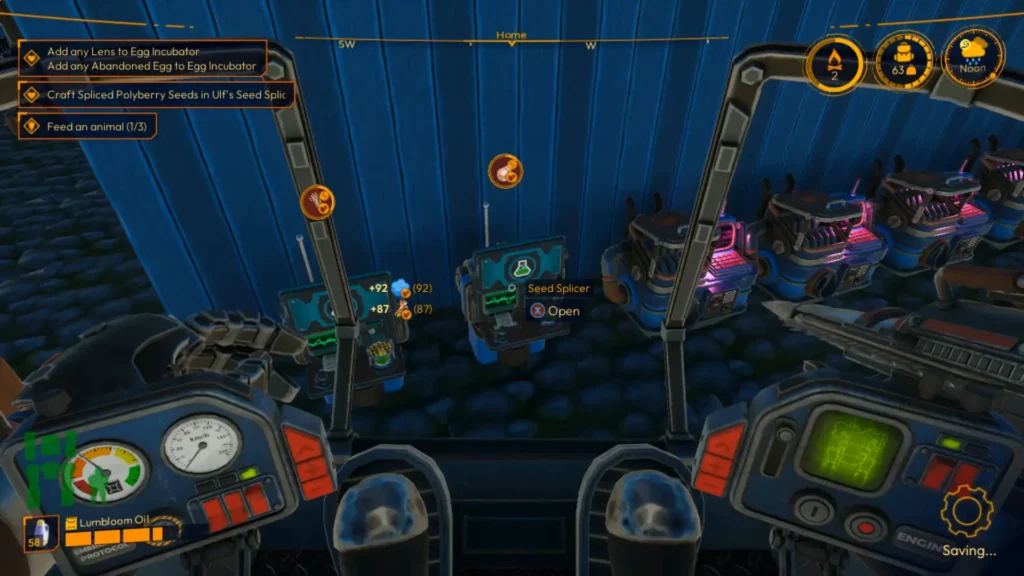
The formula for Seed Splicer is the same for normal high-yield rotations, because of the bypassing ability that Seed Splicer gives you, and the fact that, as of the 1.0.0 release, mutated crops yield both normal and mutated crops, the best strategy is to splice seeds, mutate them, and then plant them in high-yield mounds.
High Yield Rotation (Seed Splicer)
Polyberry, Caroot or Honeybottle (Nitrogenic) -> Rabbage or Lumbloom (Potassic) -> Wheat, Chromaize or Zappertwig (Phosphoric). Rinse and repeat.
Mutated Rotation
Rabbage or Lumbloom (Nitrogenic) -> Polyberry, Caroot or Honeybottle (Phosphoric) -> Wheat, Chromaize or Zappertwig (Potassic). Rinse and repeat.