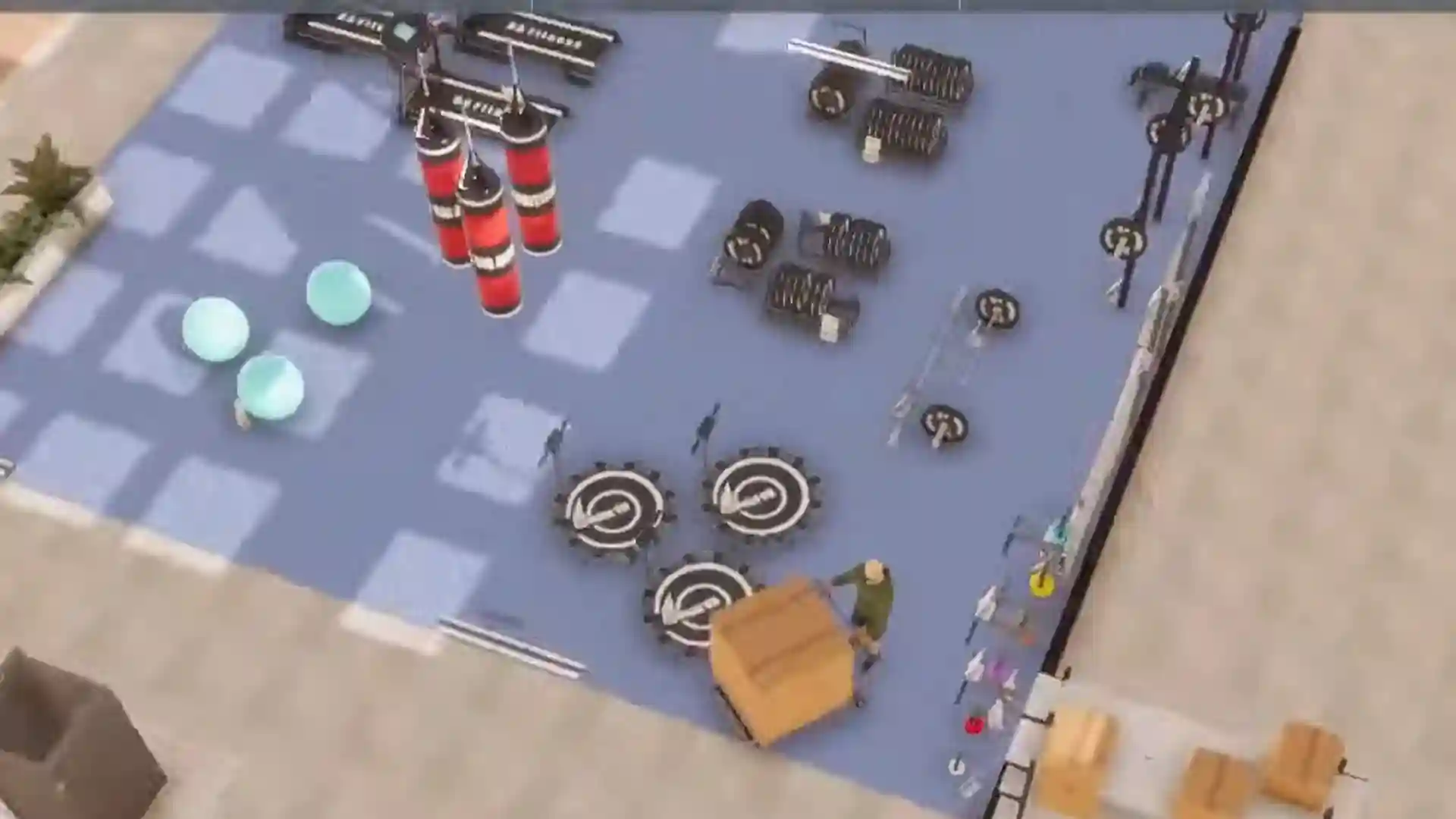


Big Ambitions 1.0 is out, the full release is here, and it’s the deepest, most chaotic version of this New York empire-builder we’ve had yet.
This guide walks you through everything important in plain language, with extra detail on the things you probably care the most: Best business, headquarters, logistics, banking and so on.
Note: The complete version of the game (released on 28 August 2026) has some changes compared to the previous versions. So even if you’re an old player of Big Ambitions, this guide will probably help you.
All You Need:
Getting Started the Smart Way
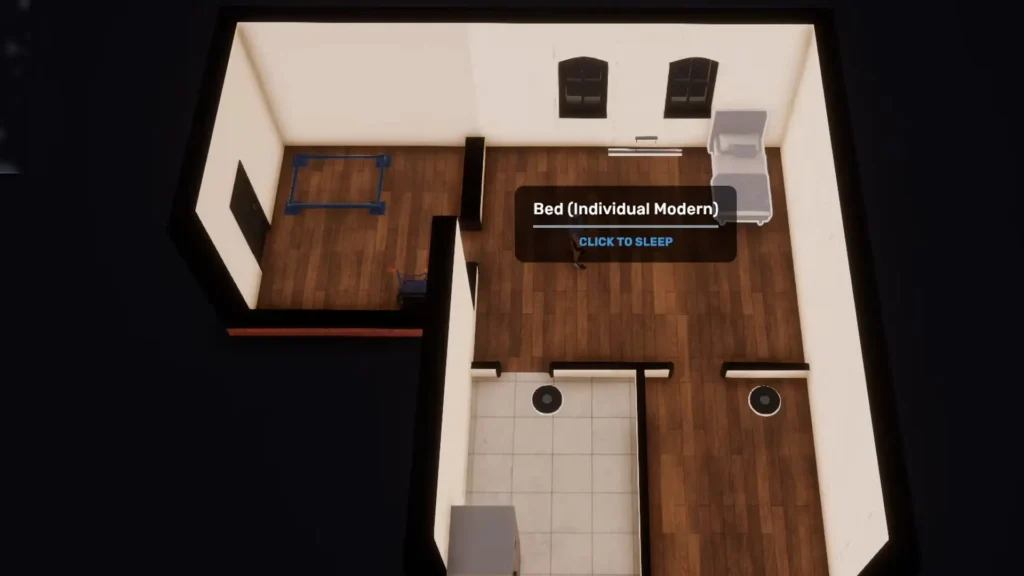
You begin with about $10,000, a free apartment at 453rd Street (thanks Uncle Fred) and a free starter car that looks suspiciously like a taxi. The first day is basically survival school.
Buy a basic fridge (for about 1,800 dollars) at Square Appliances and fill it with ten fresh food items. The carry limit is ten, so use it. Talk to the clerk in every store you enter. That conversation unlocks the contact so you can call them later instead of walking across the city.
Drive everything home, place the fridge, put the food inside and eat one. Then claim the free car, drive to Aika (the IKEA clone), buy a bed for $400–475, place it in your apartment. Sleep until early morning.
Best Early Job
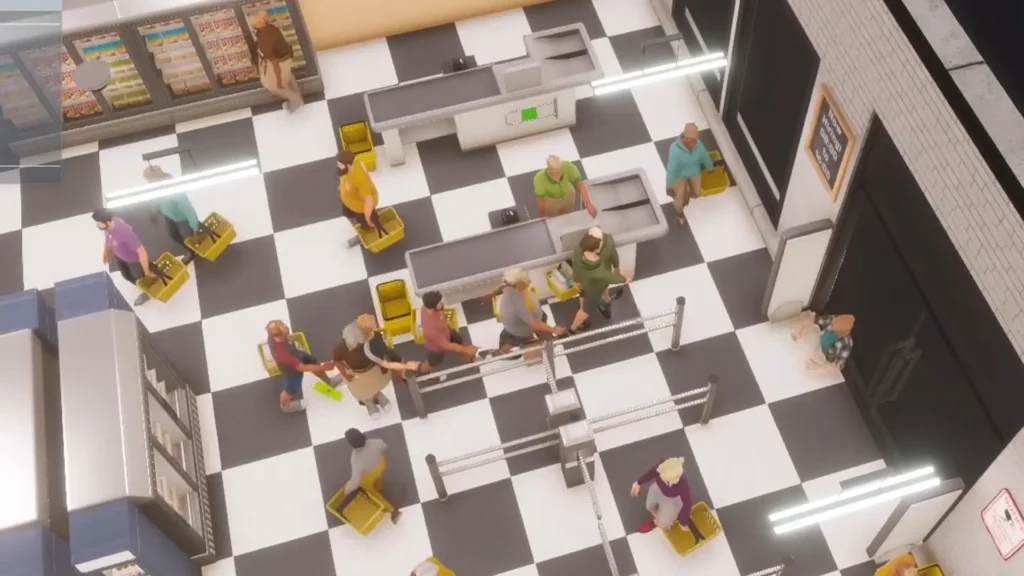
The next day Uncle Fred stops covering your rent. Time to earn money. The easiest job is cashier at the nearby supermarket for $25 an hour.
Show up and skip time. While you’re doing that, squeeze in the Basic HR course at Manhattan Business School as soon as you can. It costs $30 per hour and takes ten hours total, but you cannot hire a single employee without it. Do it early so you’re not blocked later.

Keep an eye on your three needs: energy, hunger and happiness. Happiness got a real overhaul in 1.0. The big “Fresh Start” and “First Apartment” bonuses fade over time, rain makes you wet and unhappy and being homeless or riding the subway too much chips away at your mood. Parks help. An umbrella helps. A television and a simple gym mat help later.
Choosing and Opening Your First Business
In Big Ambitions, location matters more than the type of business at the start. Open your phone map, go to Buildings for Rent, filter for retail and look at both traffic index and customer capacity.
A traffic index of 30+ is good, 39+ is excellent for a first store, but experienced players will tell you that once you move past the absolute beginning, customer capacity usually matters more. A 75-capacity building with a mediocre traffic index often outperforms a tiny high-traffic spot in the long run because you can actually serve the people who walk in.
Popular strong starter businesses I found in 1.0:
- Gyms: low competition in many neighborhoods and trainers can handle about 20 customers each per hour.
- Coffee shops: simple to stock and high volume. You need an industrial coffee machine and a bakery showcase for the pastries. You can add ice cream, salads, soda or fruit later.
- Hairdresser: pure service, no stock, no deliveries, no warehouse. Teaches scheduling, pricing and satisfaction without logistics.
- Gift shop: short, cheap stock list, low security, a gentle introduction to the stock loop.
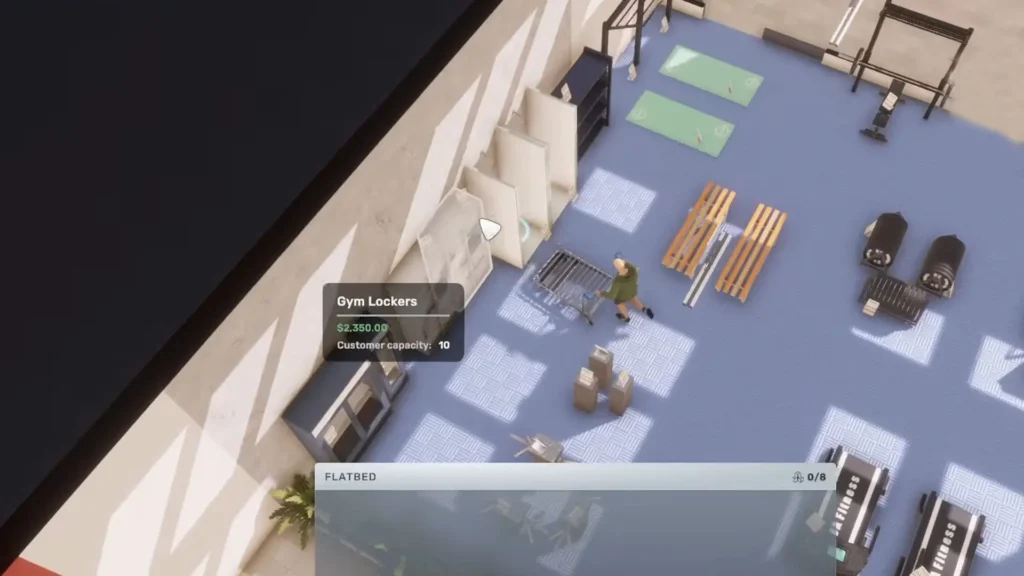
Gift shops and fast food also work, but competition is usually thicker.
Once you rent the place, name it, set a logo and temporarily close it while you set everything up. Buy the required equipment and get ready for staff.
Staff & Training: Making the Store Actually Work
Call a recruiter the same day the lease starts. Order customer-service candidates (younger age band, short delivery window) and at least one cleaner. Anderson Recruitment Corp handles shop roles. City Workforce Inc handles office roles later.
Always check individual demands: full-time only, no weekends, happy boss, clean workplace, etc. Hire the best you can afford, then train them. Unassign, send for training, reassign once skill rises. Getting key staff to high percentages (ideally 100%) takes several days of sleeping through training but multiplies sales and satisfaction.
Schedule them properly (the copy-and-paste function is your best friend). Once you have two solid shifts of trained people, the store starts printing money on its own.
Putting Music in Your Store
Customers complain if a store is silent. Music is one of the easiest satisfaction boosts in the game.
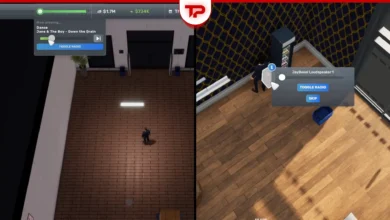
Go to any furniture store (Aika is the most convenient) and buy loudspeakers. They are usually sitting on desks or shelves in the display rooms. Prices range from cheap small ones to nicer larger models. Buy at least one or two, take them back to your store and place them anywhere, even on the floor works, though putting them on a small table looks better.
Once placed, the speakers automatically start playing the in-game radio stations. You can click the speaker to toggle the radio on or off and adjust the volume. That’s it. Customers notice and the place feels more alive. You can place multiple speakers if the store is large so the whole floor has coverage.
Headquarters and the Logistics Manager

Once you have two or three stores and you’re sick of personally restocking everything, it’s time for a headquarters.
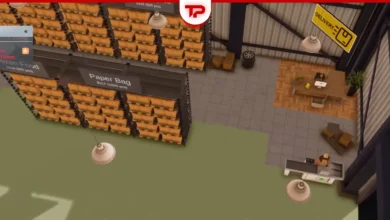
Rent an office building for the HQ staff and a warehouse for storage. Buy desks, computers and chairs for every staff member you plan to hire. Then go to City Workforce Inc. (the office recruitment agency) and hire:
- HR Managers (they handle passive training, temporary replacements when staff get sick, and later health insurance)
- Purchasing Agents (they order goods from wholesalers and importers into your warehouse)
- Logistics Managers
Note: One brand-new 1.0 employee you will also want is the Pricing Manager. Hire them the same way you hire the others (City Workforce Inc.). Once assigned to a desk in the HQ, a Pricing Manager lets you change the prices of every product across an entire neighborhood in one go instead of visiting each store. A skilled one even suggests daily price adjustments. This is one of the biggest quality-of-life upgrades in the full release and belongs in every serious HQ.
The Logistics Manager is the Key to Automation.
One Logistics Manager runs one warehouse. You assign them to a computer workstation in the HQ and put them on the schedule. In the Bisman app on your phone, go to the Deliveries tab and set up a delivery plan. You tell the manager which stores (or other warehouses) should receive stock and how much of each item.
How many places one manager can deliver to depends on three things:
- Their skill percentage
- The number of vehicle slots in the warehouse
- The type of vehicle assigned
Drivers need at least 50% skill to operate the big trucks. Deliveries leave once per day. Your stores need storage shelves ready to receive the goods. The system is smart and it only sends what the store actually needs based on current stock levels.
Once the Purchasing Agent is feeding the warehouse and the Logistics Manager is shipping out every morning, your stores basically restock themselves. That’s the moment the game stops feeling like a constant chore and starts feeling like a real empire.
Repairing Your Car in Big Ambitions
Your vehicles take damage every time you hit something. The condition percentage shows as a gear icon at the bottom of the screen while you’re driving. Keep it high.
To repair a car that still runs, open your map, filter for Gas Stations and drive to one that has a garage section (Hell’s Kitchen and Murray Hill both have good ones). Pull into the green marked garage spots. A repair button appears with the cost. Click it and the car jumps back to 100%.
If the car is completely broken and won’t move call NY AutoTow Service. Choose the option to tow it to the closest auto repair shop. It costs $500 plus the actual repair bill, so try not to let it get that bad. Keep a Jerry Can in the car for fuel emergencies so you never have to call a tow just because you ran out of gas.
Banking Got a Full Rewrite in 1.0
Negative interest is gone in the latest version. Loans now require higher income to qualify, carry higher interest rates and minimum daily payments, but the maximum loan size is larger and you can make partial repayments.
Investments support daily auto-investing and partial withdrawals. Taxes have more deductions available. Check the EconoView app regularly, the old set it and forget it approach no longer works the same way.
Growing Beyond the First Store

In Big Ambitions, always keep watching the Bisman numbers: daily customers, satisfaction percentage, customer service score, cleanliness, theft, and stock levels. Marketing becomes useful once the basics are solid. Rivals will notice when you expand into their neighborhoods, so be ready for some pushback. The new Hamptons neighborhood with its mansions and retail strip is perfect for late-game showing off.
Two big quality-of-life features also arrived with 1.0. You can now hire a Private Driver from Onyx Luxury Chauffeurs in the Hamptons and summon them whenever you want a ride. And Speedy Bites lets you order food delivered straight to your home or business (or take delivery jobs yourself for quick cash). Both remove a lot of the old friction of running around the city.