

I got early access and couldn’t wait for the final version. Apart from some bugs, the experience was smooth. If you are into these kinds of games, this Slay the spire 2 guide will be a lot of help! This guide covers many of the problems players get stuck on
You’re About to Read:
What is This Game About?
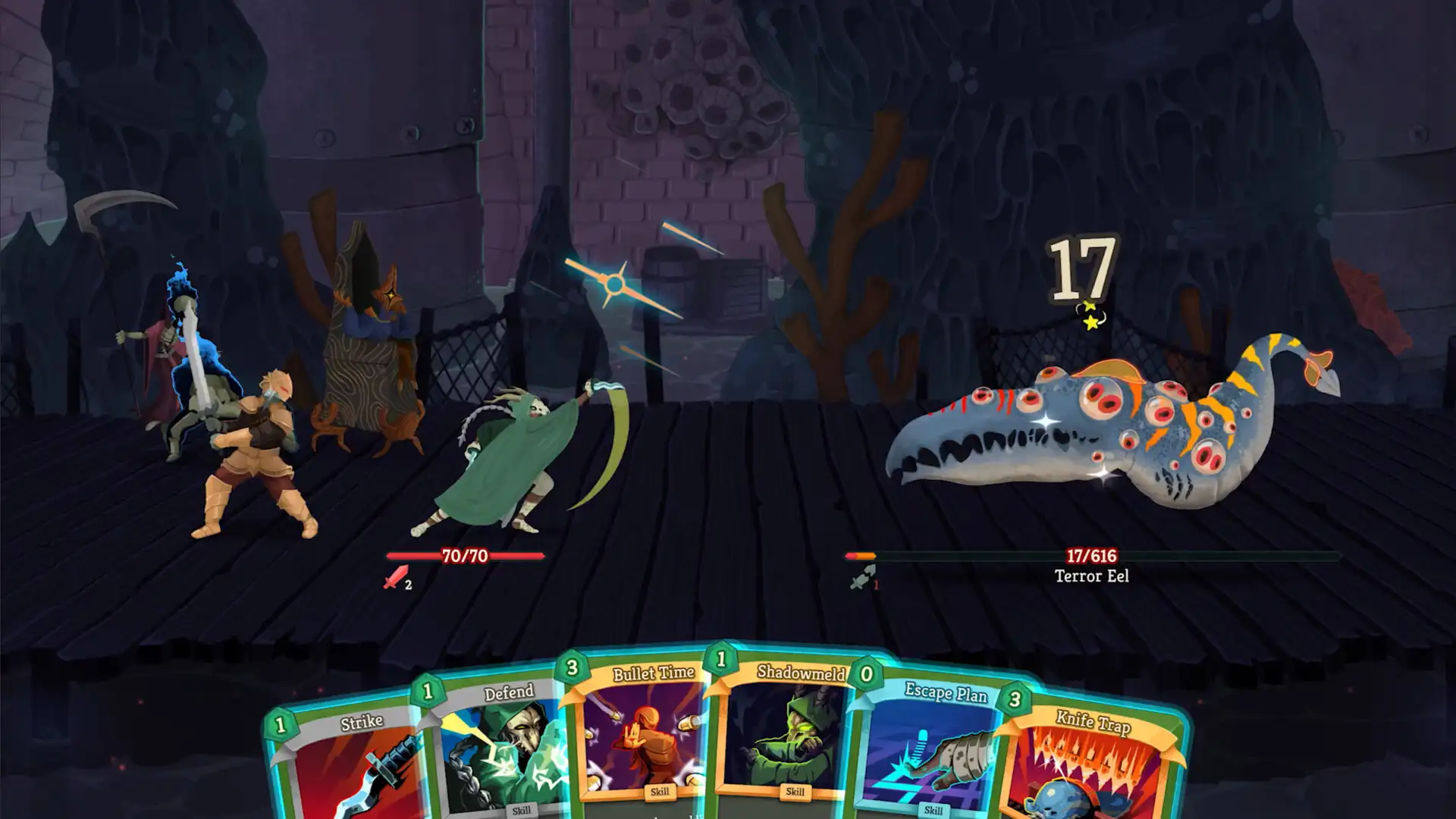
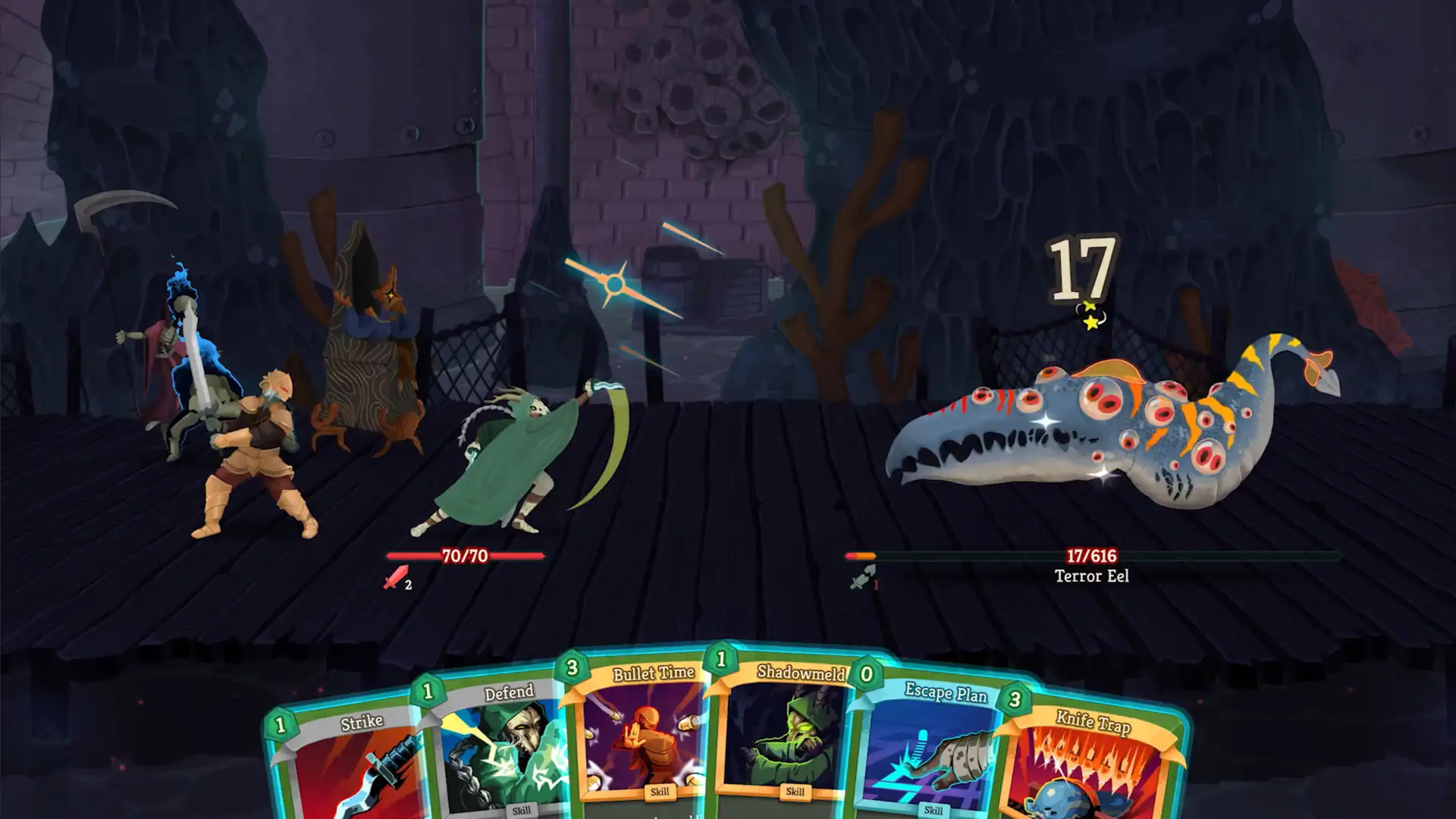
Slay the Spire 2 is a deckbuilding roguelike where every run is different. You start with a small, simple deck of cards and slowly build it into something powerful as you climb higher up the Spire.
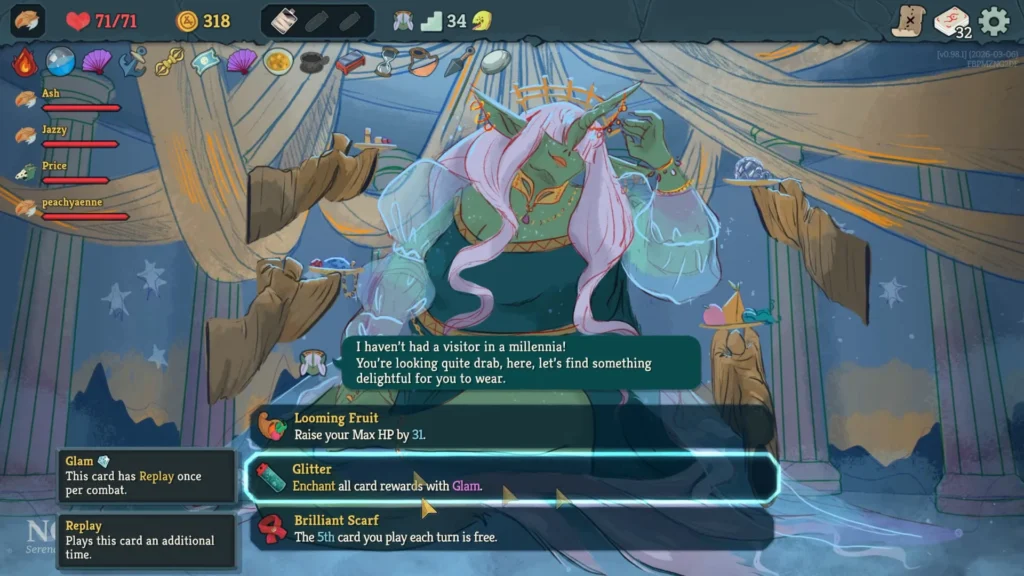
Each floor presents a choice. You might fight enemies, visit merchants, discover strange events or take on elite encounters. In this Spire 2, Every decision matters, because the cards and relics you pick up will shape how your run plays out.
And the combat. Combat itself is turn based. On each turn, you try to balance offense and defense. That was all, that’s enough talking about what is the game about. Let’s see how we would play it like a true fan.
You may also like: Slay the Spire 2 Builds
Slay the Spire 2 Best Characters
One of the first big decisions I made in this game was choosing which character to start the run with. Each character has a completely different card pool and strategy, so the best character often depends on how you like to play. Actually, a Slay the Spire 2 guide won’t be really practical if it does not cover characters.
In this game, some characters focus on raw power, straightforward attacks, making them easier for new players. Others rely on complex mechanics or resource management that can take a few runs to fully understand.
Ironclad: Best for New Players
I like Ironclad, especially when a beginner asks which character is better. It is strong and straightforward to play,
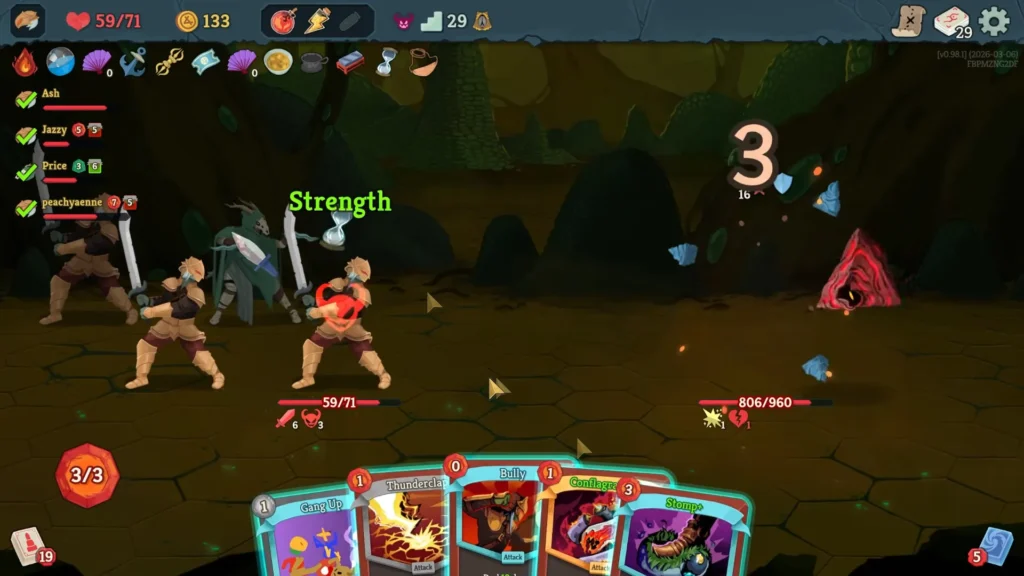
The Ironclad focuses on high damage and powerful scaling attacks. Many of his cards reward aggressive play, allowing you to eliminate enemies quickly.
One of the Ironclad’s biggest advantages is his ability to recover health after combat. This makes early fights more forgiving and allows you to take slightly riskier paths, such as fighting elites for relic rewards.
Strength decks are particularly strong with this character. Cards that increase your strength can dramatically boost the damage of your attacks, turning even simple cards into devastating blows.
At the same time, don’t ignore defense entirely when dealing with Ironclad. Picking up a few reliable block cards ensures you can survive longer fights against bosses and elite enemies.
Ironclad Tips at One Glance
Here is what I learned playing with lovely Ironclad so far:
| Category | Details | Tips |
| Top Builds | 1. Vulnerable Pressure 2. Strength Ramp 3. Body Slam Block Tank | Vulnerable is still strong post patch (50% extra damage!). Body Slam for defense conversion. Keep deck small. |
| Key Cards to Prioritize | Molten Fist / Taunt (apply Vulnerable) – Whirlwind / Twin Strikes / Sword Boomerang – Inflame / Spot Weakness / Demon Form (Strength) – Body Slam / Feel No Pain / Shrug It Off (block payoff) – Headbutt / Second Wind | Upgrade multi hits first for Vulnerable burst. Grab Exhaust cards like Fiend Fire if you thin hard. Avoid forcing old infinites. |
| Must Have Relics | Vajra (start with +1 Strength) – Bag of Marbles (Vulnerable on all enemies start combat) – Kunai / Shuriken (Dex/Strength on attacks) – Orichalcum (passive block) – Molten Egg (upgrade added Attacks) | Vajra + Bag combo is chef’s kiss for early pressure. Grab energy relics to spam Whirlwind. |
| Quick Tips | Prioritize defense turn 1, then Vulnerable/Strength. Remove junk at campfires. Use HP as resource. Thin deck aggressively. | – |
Slay the Spire 2 Necrobinder Guide
The Necrobinder is another of my favorites. it revolves around one core mechanic and it’s controlling the battlefield with minions and death effects. This character lets you summon allies to fight enemies.

Early on, when playing with this Neorobinder, your priority should be building a reliable way to generate minions. It is cool that many Necrobinder cards trigger bonuses when allies die or are sacrificed and this is another cool characteristic of this guy.
So don’t be afraid of sacrificing summons. They are born to die! Cards that trigger damage, debuffs, or resource generation when a minion dies can quickly snowball fights in your favor.
Another golden tip for this fighter: Relics that improve scaling or provide extra energy tend to work extremely well with the Necrobinder. Since many of your turns involve setting up multiple effects, having more energy lets you chain those interactions together much more easily.
Necrobinder has two primary card archetypes and they are Doom and Osty. In the text below we covered the Doom one:
Doom Slay the Spire 2
Necrobinder Tips at One Glance
You Want to know Necrobinder more? The table below is for you:
| Category | Details | Tips |
| Top Builds | 1. Doom Stacking (AoE execute) 2. Osty Minion/Sacrifice Tank 3. Soul Cycle/Engine | Doom kills when HP stacks, no ticking needed. Osty absorbs hits. |
| Key Cards to Prioritize | Negative Pulse / Scourge (Doom apply/AoE) – No Escape (extra Doom) – Invoke / Pull Aggro (Osty buffs) – Grave Warden / Reave (Soul gen) – Enfeebling Touch (control) | Stack 1-2 scalers + AoE. Don’t over draft. Feed Osty summons for block. |
| Must Have Relics | Energy/Soul boosters – Minion scaling – Defense like Orichalcum equivalents | Relics for energy let you chain sacrifices. Survival early is key. |
| Quick Tips | Prioritize Osty survival. Ramp Doom then block to live execute turn. Thin your deck for consistency. | – |
Slay the Spire 2 and Regent
Slay the Spire 2 guide won’t be complete without covering Regent. The Regent plays very differently from most characters and I guess many players have problem playing him.
Instead of relying on raw damage, the Regent thrives on control and carefully managing tempo during longer fights.

Many Regent cards revolve around strengthening your position over time. This can mean stacking defensive bonuses or empowering certain cards so they become far more dangerous later in the fight.
Because of this, early survivability is extremely important while playing with Regent. Prioritize cards that give reliable block or defensive scaling. Once you can comfortably survive enemy turns, your stronger engines have time to take over.
Note: Deck size matters a lot for the Regent. A tight deck makes it easier to repeatedly draw your scaling cards and maintain momentum during longer encounters.
Regent Tips at One Glance
Regent is not hard to play if you just look at this table:
| Category | Details | Tips |
| Top Builds | 1. Stars Tempo/Control 2. Sovereign Blade Forge Scaling 3. Bombardment Nuke | Stars for utility/spend every turn. Forge for permanent weapon growth. Sequence producers then spenders with no hoarding! |
| Key Cards to Prioritize | Bombardment / Meteor Shower – Reflect / Photon Cut – Sovereign Blade synergies – Lunar Pastry enablers – Parry / Particle Wal | Upgrade Bombardment for huge hits. Hunt Stars producers in Act 1. Thin basics aggressively for consistency. |
| Must Have Relics | Lunar Pastry – Divine Right – Energy relics (extra plays) – Scaling like Vajra equivalents | – |
| Quick Tips | Balance producers and spenders. Prioritize survival early. Remove junk to draw scalers. Tricky but scales insanely. | – |
Silent: Another Cool Character
The Silent remains one of the most flexible characters in Slay the Spire 2 but honestly, I’m still a Necrobinder lover!

Instead of relying on raw strength, the Silent excels at precision and stacking powerful status effects.
One of the most common strategies revolves around this monster is poison. Poison damage ignores enemy block and grows stronger every turn, making it incredibly effective during longer boss fights.
Another powerful approach with him focuses on fast cycling decks. The Silent has access to many cards that draw additional cards or reduce costs. This allows you to play far more actions each turn than other characters.
Defense is also an important part of the Silent’s toolkit. Many cards provide both block and extra effects. This helps you stay alive while setting up your main strategy.
Silent Tips at One Glance
All Silent Tips and tricks that I Know are gathered here:
| Category | Details | Tips |
| Top Builds | 1. Poison Stacking 2. Shiv/Sly Burst 3. Hybrid | Poison ignores block/plating. Great for long fights. Shiv for instant delete. Hybrid risky but fun if rewards align. |
| Key Cards to Prioritize | Deadly Poison / Poisoned Stab – Noxious Fumes / Accelerant – Bubble Bubble – Cloak and Dagger / Accuracy – Knife Trap – Outbreak | Hunt Accelerant rare doubles poison ticks! Upgrade Fumes for passive scaling. Cycle with discard/draw. |
| Must Have Relics | Ring of the Snake – Kunai (Dex on Shivs/attacks) – Dead Branch (exhaust for new cards) – Snecko Eye (big costs cheaper sometimes) | Snake for consistency. Dead Branch explodes Shiv decks. |
| Quick Tips | Keep deck lean (remove basics early). Poison for bosses, Shiv for packs. Post patch discard costs more, so focus on pure archetypes. | – |
Golden Compass in the Game
One relic that can completely change how you plan your run, is the Golden Compass. So, in my Slay the Spire 2 guide I’ll cover that.
Relics like this are powerful because they affect more than just combat. They influence how you navigate the Spire itself. With the right relics, paths that once looked risky, suddenly become extremely rewarding.
The Golden Compass typically shines when you’re planning aggressive routes. If it improves map visibility, pathing rewards or encounter control, it allows you to target elites and valuable nodes more easily.

Note: If they are used properly, relics like the Golden Compass don’t just help you win fights, — they actually help you build stronger runs from the very beginning of the game.
What Are Ascensions?
If you continue the game, you will notice that Ascension levels are one of the biggest long term challenges. Once you beat the game with a character, you unlock Ascension mode. A difficulty system that gradually makes each run harder.
Each Ascension level introduces a new modifier. These can include tougher enemies, reduced healing between fights or stronger bosses. The changes might seem small, but they quickly stack up as you climb higher and that is the scary part!
Because of this, consistency becomes far more important than risky strategies. Decks that rely on one huge combo can struggle at higher Ascensions if you don’t draw the right cards at the right time.
Now what should you do for a better play in Ascension? Focus on building reliable decks with solid defense and consistent damage. Removing weak cards and upgrading key abilities early are important too.
Slay the Spire Two: Best Guide for You!
It’s just a few days I’ve been playing this game and I prepared this Slay the Spire 2 guide for you. Now here is the wrap up:
At first, Slay the Spire 2 might look like a simple card game, but the deeper you climb the Spire, the more strategy it reveals. Every choice can shape the outcome of your run. Just like the real world!
The key to improving is understanding how the game’s systems actually work. Building a focused deck and choosing relics that support your strategy both play a major role in reaching the top.
Most importantly, don’t be afraid to experiment. Some of the most powerful runs come from unexpected combinations of cards and relics that you might not normally choose. This strategy worked well for me. Anyway, you are free to find your own Slay path!
FAQs
What is Slay the Spire 2?
Slay the Spire 2 is a deck-building roguelike where you climb a procedurally generated Spire. You build powerful decks from a small starting set of cards while facing enemies, events, merchants, and tough bosses in turn-based combat.
Which character is best for beginners?
Ironclad is the most beginner-friendly. He focuses on straightforward high-damage attacks, Strength scaling, and post-combat healing, making early runs much more forgiving.
What does the Necrobinder do?
The Necrobinder summons minions and uses death/sacrifice effects. He excels at battlefield control, Doom stacking for executes, and Osty tanking builds.
How does the Regent play?
The Regent is a control/tempo character. He focuses on scaling over time, defensive setup, and powerful late-game engines like Stars or Sovereign Blade forging. Deck size and early survival are key.
What is the Silent good at?
The Silent excels at poison damage (which ignores block) and fast cycling/Shiv decks. She’s very flexible and strong in long fights.
What are Ascensions?
Ascensions are an optional harder mode unlocked after beating the game with a character. Each level adds tougher modifiers (stronger enemies, less healing, etc.). Consistency and reliable decks become very important at higher levels.
What does the Golden Compass do?
The Golden Compass is a powerful relic that improves map navigation, pathing, and encounter control, letting you target better routes, elites, and rewards more effectively.