

In Mycopunk, builds are hexagonal grid puzzles where upgrade shapes must fit. Focus on one clear direction (damage, control, mobility or a pure element), prioritize mobility and weapon-swapping ammo loops, respect each character’s kit and check for secret silhouettes.
Proven setups include Shocklance chains, Plate Launcher, cryo packages and Jackrabbit conversions. In endgame X11-B, builds must still work when abilities are disabled.
Want to know more about builds in this game? Read the rest of the text.
What You’ll Read:
What Build Even Means in This Game
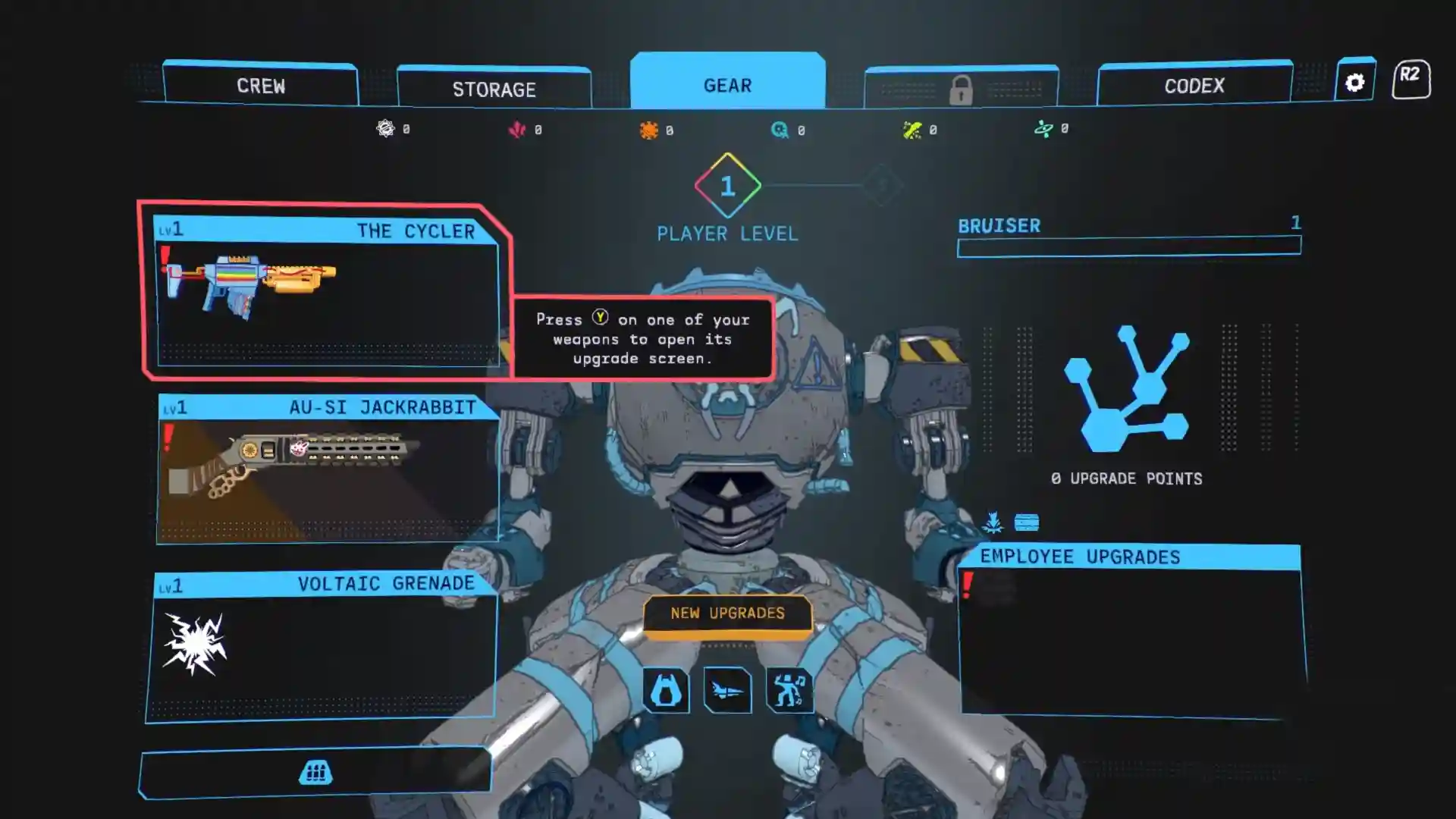
In most shooters, a build is just I stacked damage and called it a day. In Mycopunk, a build is the combination of shaped upgrades you manage to jam into the hexagonal grids on your employee, weapons and grenades.
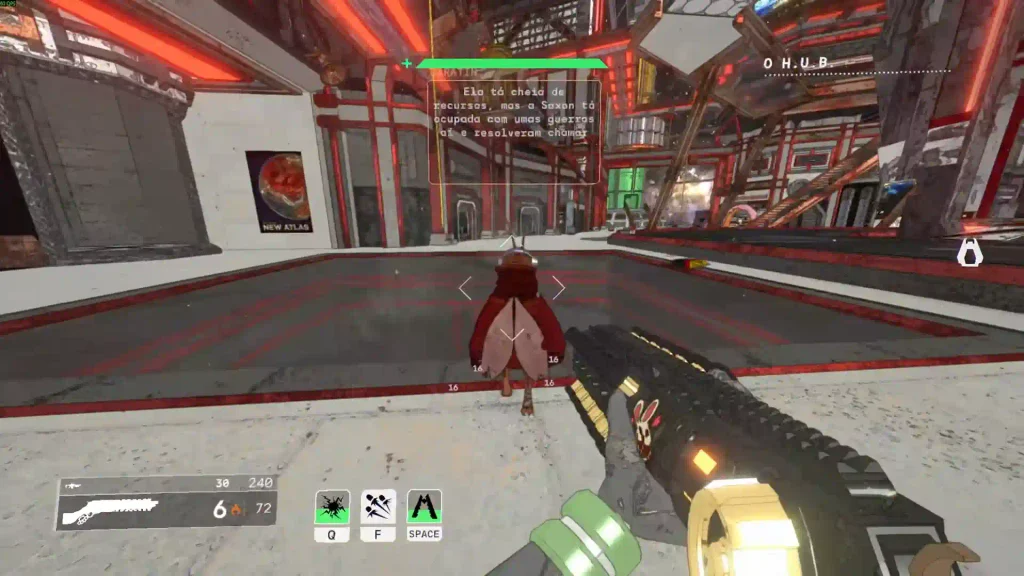
Every upgrade is a physical puzzle piece. Some are tiny. Some look like they were designed by someone who hates you. The grid doesn’t care how cool the upgrade sounds. It only cares if the shape fits.
Players who stick around long enough start treating the grid like Tetris with trauma. That’s not an insult. That’s the core fantasy.
How the Grid System Works
Each employee, weapon and grenade has its own hexagonal upgrade grid. Upgrades drop as patterns (shapes made of hex cells).
You place them. If it fits, it works. If it doesn’t, you’re rearranging furniture at 1 a.m. Larger patterns generally give stronger effects. Shrinking a pattern through infusion can weaken the stats. Size matters here and not in the way the locker-room posters promised.
There are secret silhouettes on the grids. Completing certain shapes with the right pieces (sometimes any rarity, sometimes specific ones) can spit out free upgrades. Check for those after every mission. Free stuff is free stuff.
Hold Ctrl (or L3 on controller) on the upgrade screen to see the order upgrades are applied. Sometimes the sequence matters.
Weapons and grenades are shared across all characters. Level one gun once and every employee can use it. The game actually respects your time in this one specific way.
Core Rules for Not Building Like a Menace
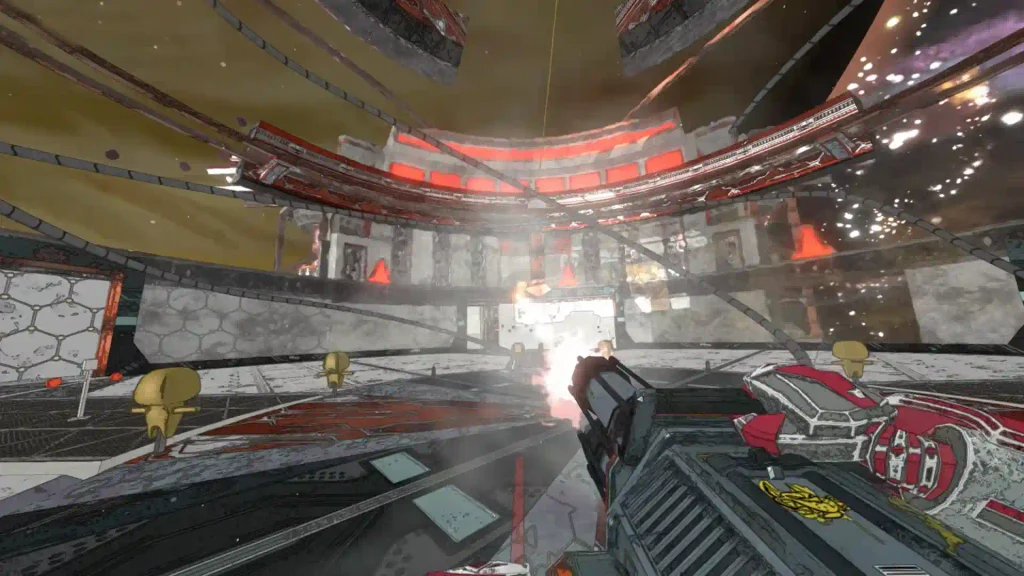
Pick a direction early: Spreading upgrades across five different ideas gives you five mediocre bonuses. Pick one job (raw damage, crowd control, mobility, support, or elemental melting) and commit. You can always branch later when the grid has more room.
Read the red text: A lot of flashy upgrades come with drawbacks. Extra projectiles that lower per-shot damage. Fire-rate boosts that delete your handling. Mode changes that turn full-auto into a temperamental burst. If the red text makes your current plan worse, leave it in the stash. Pretty numbers lie.
Build around the ammo system: You don’t pick up ammo. Shooting one weapon recharges the other. Good builds in Mycopunk treat weapon swapping as a feature, not a chore. Pair two guns that feel good to cycle between so you never sit there pressing reload like it’s 2012.
Mobility is not optional: Standing still is how you become fertilizer. Slide speed and character movement tools keep you alive longer than another 8% damage ever will. If your build forces you to plant your feet, it’s already fighting you.
Character Matters A Lot
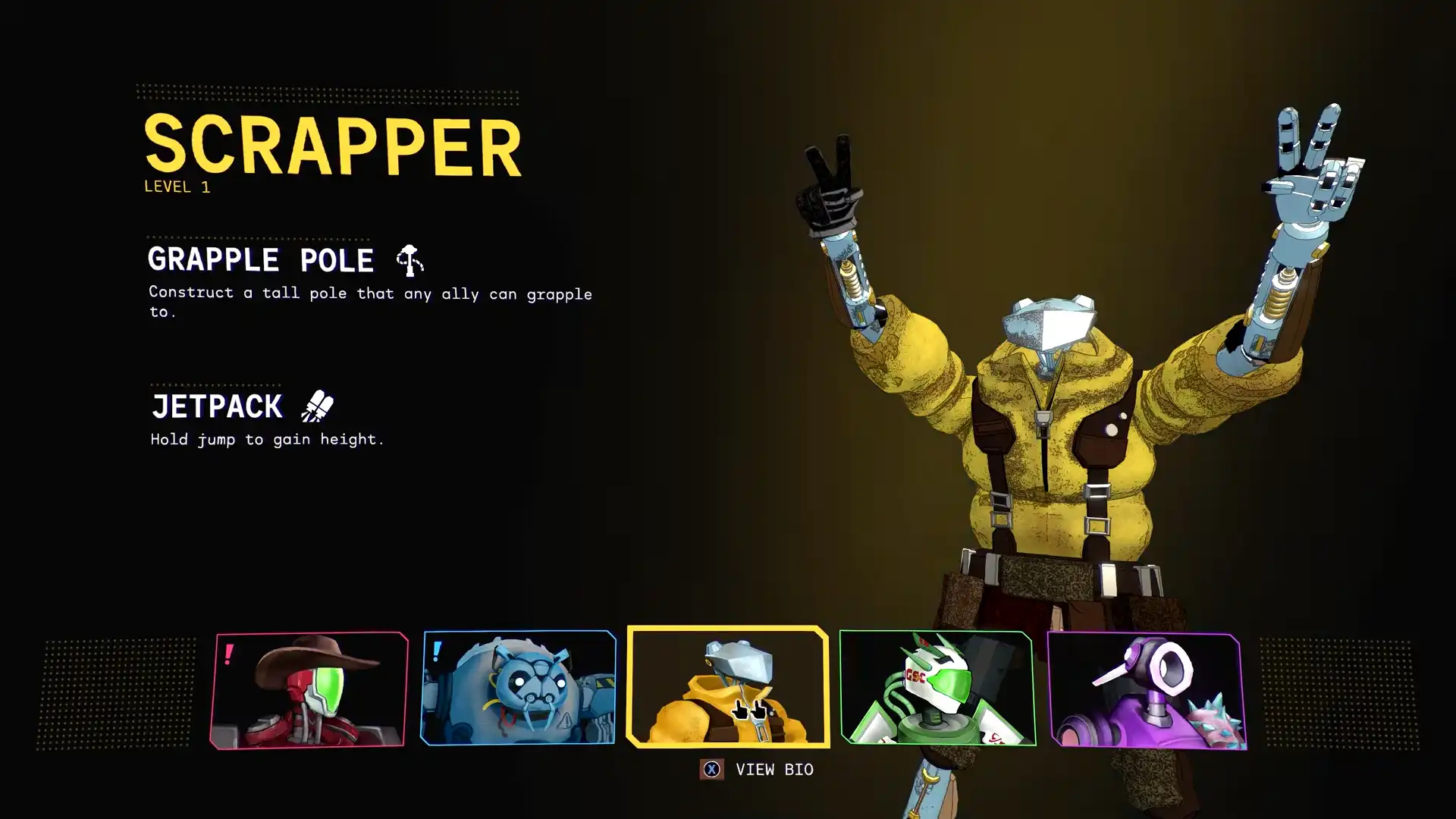
Every employee has their own grid and abilities, so the same weapons can feel completely different. Some characters lean into aggressive close-range chaos. Others want to stay mobile and poke.
For example, the Mycologist (the mushroom lady added in 1.0) runs an Infection system. You build Infection by fighting and taking damage, then spend it on abilities like Fungal Skewer. Let the bar hit 100 and it starts eating your health. Builds around her usually want reliable ways to generate and dump Infection on purpose instead of accidentally.
Don’t force a slow, stationary playstyle onto a hyper-mobile character or vice versa. Work with the kit, not against it.
Elements and Synergy
Mycopunk rewards focusing on one element hard. Fire spreads and amps damage. Cryo slows everything down and buys you breathing room. Shock stuns and ignores shields. Acid debuffs robots. Decay makes things take more damage.
A clean elemental build (weapon + grenade + supporting upgrades all speaking the same language) feels disgusting in the best way. Mixed elements can work, but pure focus usually hits harder and feels cleaner.
Cryo has been especially popular for control. The Snowball grenade (unlocked on X11-B) pairs well with weapon conversions like Subzero Energy on the Cycler, which makes bullets apply cryo at the cost of some fire rate.
Concrete Directions That Actually Work
These are proven directions that you’ll see a lot, because they respect how the systems interact.
- Shocklance plus chain effects: Micro Detonators has been called out repeatedly as extremely strong for a long time. Builds that lean into kill explosions and chaining feel excellent on it.
- Plate Launcher: Frequently mentioned for a good area control and plasma-style setups.
- Lead Flinger: I’ve seen it in high-performing community and developer-noted loadouts.
- Glider rocket setups: Often split between pure rocket damage and flight sustain. Decide which one you actually want before filling the grid.
- Jackrabbit-style conversions: Certain upgrades can turn weapons into something closer to an infinite-ammo flamethrower. These feel broken in the fun way when they come online.
- Cryo control packages: Cycler or DMR conversions plus Snowball grenade for locking down packs.
The pattern is the same every time: pick one clear loop, then use the grid to protect and amplify that loop.
Endgame Reality Check
X11-B is not just harder New Atlas. It is fixed high difficulty content made to test finished loadouts. Electromagnetic storms periodically shut off active abilities.
If your entire plan collapses the moment you can’t press your ability button, you are not ready. Build so that weapons, passives, and movement still carry you when the powers go dark. Consistent damage output and the ability to keep sliding and shooting matter more than flashy cooldowns out there.
Treat the first few runs as scouting missions. Learn where the pressure comes from, then go back to the hub and fix the weak links in your grid. Do not go in hoping the loot will save a mid-game build. It won’t.
Mycopunk Build Tips
I’ve been struggling with this game for several hours (I have to, you need these written guides, don’t you?) and here all the remaining tips I learned so far:
- Fit the small, efficient pieces first. Leave space for the bigger behavioral upgrades later.
- After missions, take two minutes to check for secret grid shapes before you scrap duplicates.
- Dave vs Goliath is still one of the better modifiers for farming upgrades because abominations drop them more often. Clear a bunch early in the mission while rates are high, then decide whether staying longer is still worth it.
- When something feels weak, don’t immediately delete the whole build. Swap one piece, test it, and iterate. The grid rewards patience more than rage-rerolls.
- After you dismember big enemies, clean up the floor. Other enemies will happily pick up the dropped weapons and become much bigger problems.