

There is a lot of confusion around how the Fatekeeper skill tree works. You pick your first point, and suddenly, you are completely locked out of upgrading everything else. There is a way to get around this problem. Here is a complete breakdown of the Fatekeeper skill tree, how to path into multiple classes, and the best builds to use right now.
If you are new to the game, I recommend stopping right here and reading my Fatekeeper Guide first.
Disclaimer: Fatekeeper is still in Early Access, and this guide may change with newer updates. Check back regularly.
What You’ll Read:
How the Fatekeeper Skill Tree Works
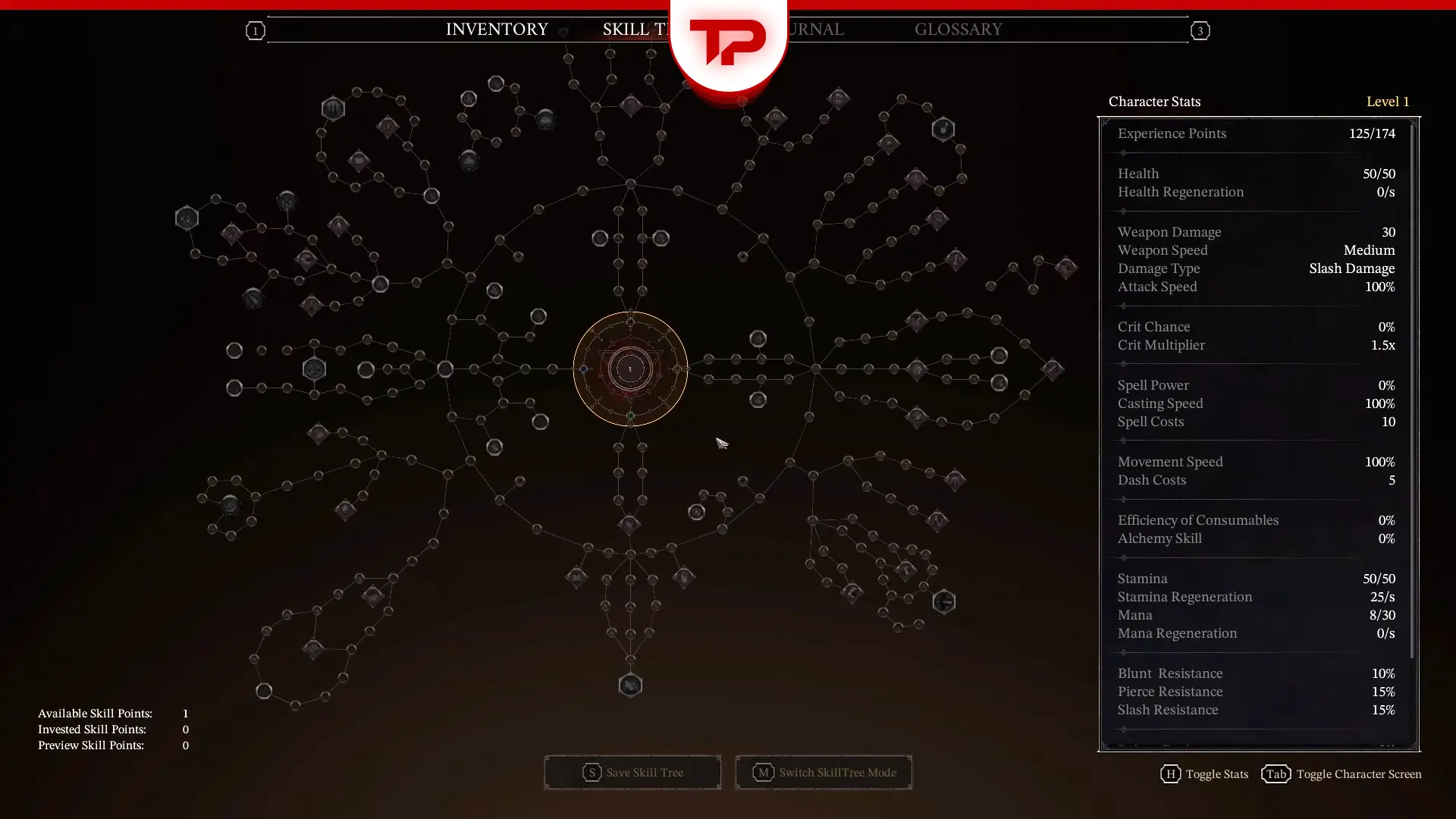
When you open up the massive Fatekeeper skill tree, you may feel overwhelmed by the sheer number of nodes. But you have only one skill point to spend, which makes things simpler. To make things even simpler (perhaps too much!), the game makes you choose a single starting node, like Fortitude or Wrath.
The first node you choose gets locked, and you cannot select any other nodes or paths into other branches. I know. I think this is easily the most frustrating feature of the Early Access, too. Let’s just hope it will change in the full release version.
How to Cross-Level Into Other Branches
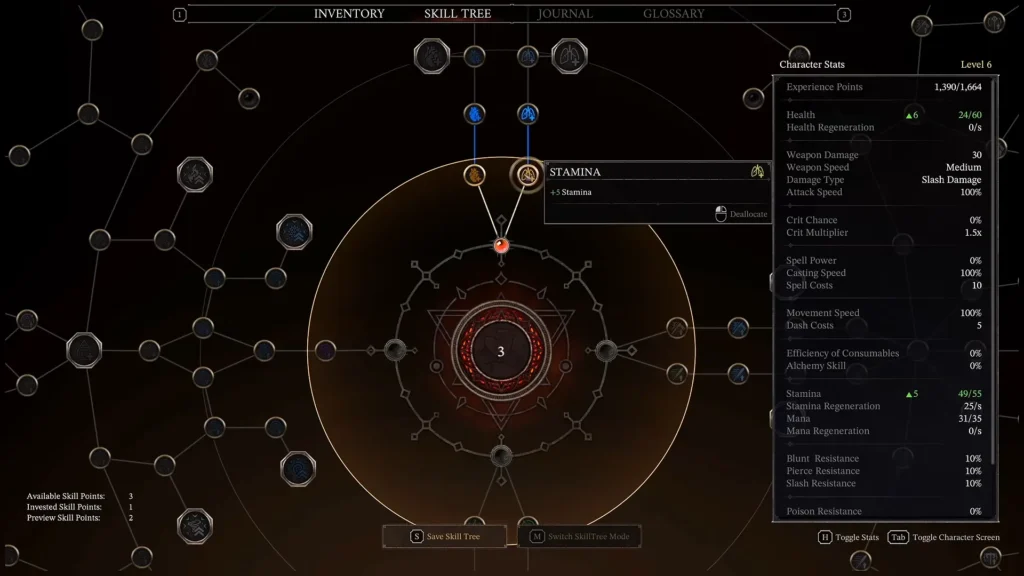
You are not trapped in a single branch forever. But you have to upgrade your chosen path to a certain point before being able to spend points on other skills. As you upgrade, a yellow ring grows, and once it expands to reach the “second circle,” it finally unlocks access to a specific ring of minor blue nodes.
If you hover over locked nodes, a circle appears to show you exactly how many levels you need to spend before they open up. Once you hit that threshold, you can use the minor perks to go past the starting restrictions and start branching out into completely different paths.
The Four Core Nodes Explained
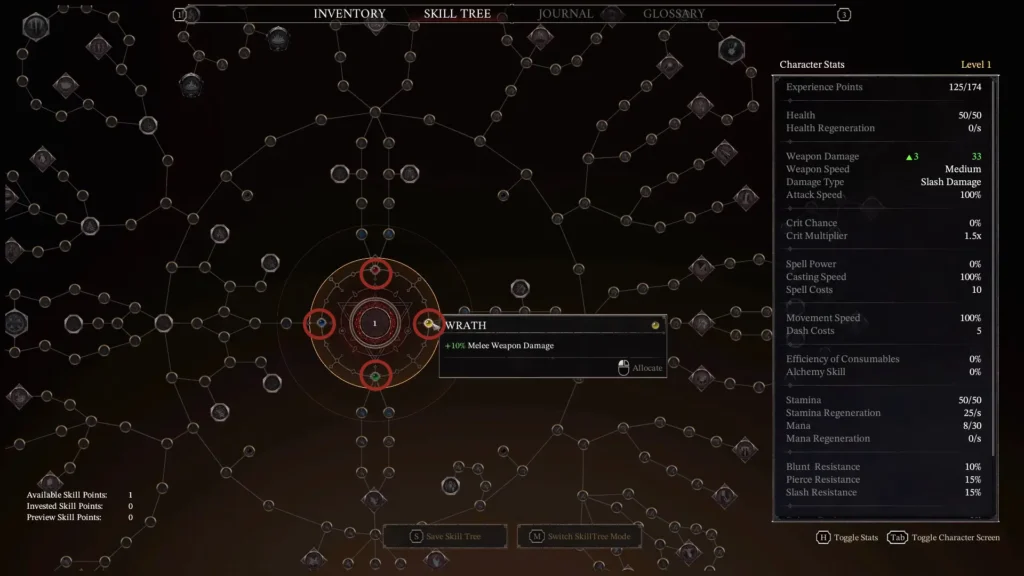
The initial layout of the skill tree determines exactly what kind of character you are building. So before doing anyting, get to know them first. Below are the four distinct core perks:
- Top Section (Health / Fortitude): The Fortitude node gives you a clean +10% Health to help you absorb hits and survive longer.
- Right Section (Weapon Damage / Wrath): The Wrath node grants +10% Melee Weapon Damage, which increases your weapons and raw physical power.
- Bottom Section (Alchemy / Insight): Built for players who love preparing for fights. The baseline Insight node provides a +10% Alchemy Skill increase to boost your crafting.
- Left Section (Stamina & Magic / Power): This is for sprinting, dodging and kicking, while also leading to the Power anchor node, which grants +5 Mana, +3% Elemental Damage, and +3% Max Mana Node Efficiency.
Best Early Game Skill Tree Builds
If you are starting your very first run, my suggestion is to ignore the fancy magic paths and stick to a safe melee build. Fatekeeper combat heavily punishes you if you get carried away and have bad timing, especially against the Fatekeeper first boss. So if your build is glass-weak, you will die regularly! So here’s what to do:
Prioritize Fortitude (+10% Health) to give yourself some spare life while learning enemy attacks. After that, spend points into Stamina and Wrath. Stamina is arguably the most important stat in the game because weapon damage means nothing if you lack the energy to dodge, block, or sprint after an attack. Finally, add attack speed to recover quickly from missed swings and avoid amputation by fast mobs.
The outer edges of the skill tree have incredibly powerful nodes that redefine how your character manages resources. Two massive capstones have been uncovered in the current version of the game:
- Eldritch Constituition: This node takes 100% of your maximum stamina and converts it directly into health. It is the ultimate option for a pure, unkillable tank build, though it forces you to rely strictly on baseline movement.
- Blood Magic Casts: This forces your spells to consume life instead of mana. It is a high-risk, high-reward anchor and works perfectly with a health-leeching or health-regeneration playstyle.
Best Early Game Skill Tree Synergy
Many nodes create great synergies together in this game. But the crazy one below is especially useful for the early game and my personal favorite:
This is a crazy combat loop that you shouldn’t miss. It is the combination of the Ricochet node with high Cast Speed nodes inside the fire branch. Normal fire magic is cast slowly with shots projected in a straight line.
But with Ricochet unlocked, your fire projectiles bounce off walls and floors. Add cast speed on top of this mechanic, and you can continuously shoot fireballs. These bouncing fireballs automatically track targets and melt entire groups of enemies in seconds. Try it and thank me later.
That’s all you need to know about the Fatekeeper skill tree. Do you have more questions? Write them in the comments, and I’ll get back to you ASAP.
FAQ
Why can’t I unlock other skills after my first point?
Unfortunately, this is the game’s design. The first node you choose locks you into that specific path until you expand it far enough to add another branch as well.
How do I unlock other branches in the tree?
You have to keep spending points down your current path to grow a visual yellow ring on your UI. Once that ring hits the “second circle,” it activates four minor blue access nodes across the tree that allow you to jump to completely different sections.
Can I reset my skill points if I mess up my build?
Yes. Early-game respecs are completely free, but you have to visit the Sanctuary of First Flame to do it. Later in the game, respecs will cost a rare resource found through exploration.
What are the best stats to upgrade first?
Health (Fortitude) and Stamina are the absolute best early choices. Health gives you a safety blanket so you don’t get instantly killed, and Stamina lets you safely dodge, sprint, and kick after attacking.
What does the Elemental Fortress node do?
Elemental Fortress completely disables your ability to parry. In exchange, it generates a powerful elemental shield whenever you block an enemy attack.
Should I build around the Flying Dagger node?
No. The Flying Dagger node is currently an inactive placeholder in the Early Access build that only gives a flat passive damage boost. The actual boomerang-throw mechanic is a planned feature for a future update.