

Fatekeeper is my (and soon your) new dark fantasy obsession! From the passionate creators of Gothic 1 Remake and REANIMAL, this game instantly makes Dark Messiah fans nostalgic. There is a lot to learn in this game: Skill Tree, Gear, Combat… and much more! But I don’t want to overwhelm you, and you shouldn’t be. Let’s take this Fatekeeper guide one step at a time, and I promise you’ll master it in 5 minutes!
Disclaimer: Fatekeeper is still in Early Access. So this guide will probably change and evolve over time with newer updates. Check back regularly for updates.
What You’ll Read:
Fatekeeper Guide for Beginner Survival
Fatekeeper is not a typical story game that holds your hand each step of the way. So please don’t rush to learn everything at once. Spend your first hour testing the different game systems. If you rush in blindly, you will waste your valuable resources that are hard to replace.
The combat demands serious patience. Fight slowly at first and focus on reading enemy patterns. Test your weapon reach and hold off on heavy upgrades and stat increases for now. Most importantly, keep your eyes peeled for side rooms to loot hidden relics. These will completely change how you play.
Use the decision table below to survive your first hour without wasting materials:
| Decision | Safe Approach | Why |
| First Weapon | Choose the weapon with the clearest timing. | Consistency beats theoretical DPS early. |
| First Spell | Pick a spell that creates space or interrupts pressure. | Utility protects you from bad trades. |
| Upgrades | Wait until a weapon or spell feels reliable. | The exact upgrade economy is still unverified. |
| Exploration | Clear side rooms before you move on. | Relics and hidden systems shape your build. |
Exploration and Key Locations
Fatekeeper has these five handcrafted sandbox zones: the Blightwood, the Sundered Keep, the Crystal Deeps, the Ashen Steppe, and the Sunken Ziggurat.
There are a lot of hidden paths you need to explore in this game. But how? You use fire spells to melt hidden barriers, and ice spells to expose illusory walls. Keep an eye out for locked paths because you often need a specific element to get inside.
This world is also full of NPCs that you need to rescue. Why, you ask? Because when you find and rescue lost characters in the wild, they move back to your main hub. This permanently unlocks new gear shop options, extra lore details, and skill point refunds.
Combat Mechanics
Combat in Fatekeeper is a mix of Dark Messiah and DOOM. If you just smash buttons, you will die, horribly! So you have to master spacing, enemy tells, and the physics engine to survive. It is not as brutal as a Souls-like, but it still demands mastery and rewards tactical creativity.
Forget your standard ARPG habits if you want to win fights here. Fatekeeper relies entirely on real-time spatial awareness and your environment.
- No Invincibility Frames: Fatekeeper has no i-frames, which means you must physically backstep or side-dodge to avoid getting hit. So rolling attacks will not work.
- The Mighty Kick: The kick costs zero mana, has a short cooldown, and is your best weapon. Use it a lot and creatively. For example, you can shove enemies into spike walls, explosive barrels, or off cliffs.
- Active Parries: Holding block lets you learn attack patterns safely, but active parries stagger enemies and leave them vulnerable to critical counterattacks.
- Mid-Combo Swaps: You can equip two weapon sets at once that leave room for creativity. For example, I usually poke an enemy with a spear to keep them away, then swap to dual daggers when they stagger to shred them like Van Halen.

Skill Tree Explained
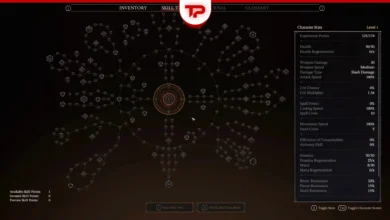
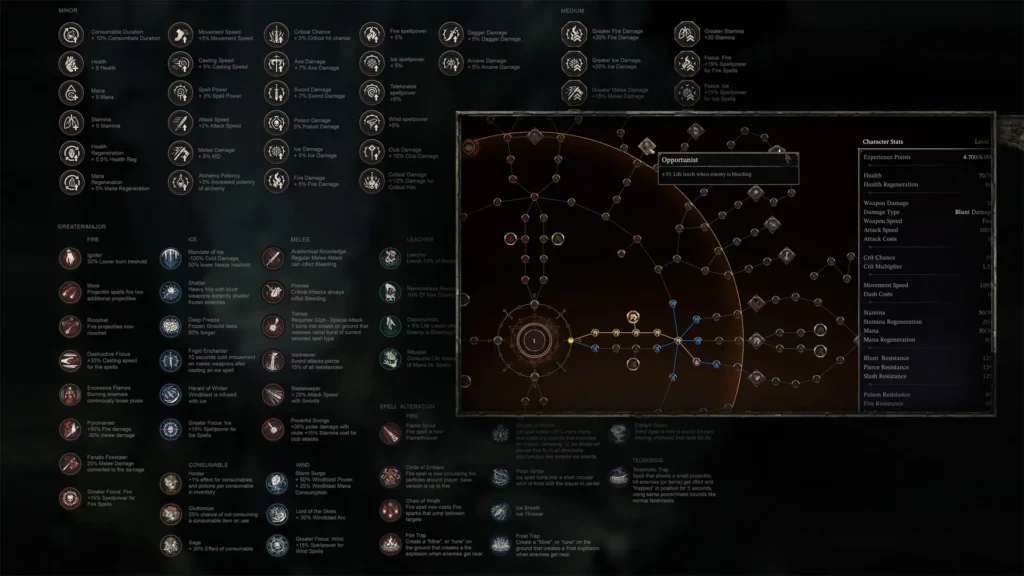
Fatekeeper has a massive, branching skill tree that lets you shape your character with total freedom. You can never max out every node, so your choices matter. Luckily, you can get your points back at the Sanctuary of First Flame if you want to try something new.
The tree uses three specific perk tiers:
- Minor Perks (24 nodes): These are stacking baseline buffs that are the foundations of your build, like faster health regeneration, movement speed, crit chance, and lower dodge stamina costs.
- Medium Perks (9 nodes): These perks define your playstyle. For example, they unlock new combat abilities like shield bash and sometimes significantly increase stats.
- Greater & Major Perks (many nodes): These are capstone abilities like Phantom Step, which turns your dodge into a teleport.
Best Beginner Builds
You should treat early build pages as blueprints until you test them yourself. Here are some of the best setups to aim for based on your preferred playstyle:
- The Druid Adept: A balanced hybrid across melee, magic, and alchemy. It is the safest choice for a first playthrough because you can handle any enemy type.
- The Frost Reaper: Combines Cryomancy and heavy melee weapons. You freeze enemies in place to set up massive physical shatter damage.
- The Blood Knight: Pairs Sanguimancy with a sword and shield. This build excels at endurance because your attacks constantly leech health back.
Magic Schools & Elemental Combos
Magic is not a side system in Fatekeeper. You can cast spells in between your melee attacks. There are four elemental schools and a special Alteration tree to customize your build. Use Spell Alteration to fundamentally ‘alter’ your magic’s behavior. Nodes like Split Cast will make a normal Fireball melt armor like ice cream on a Florida beach.
- Pyromancy: Deals pure damage and ignites oil surfaces.
- Cryomancy: Freezes enemies solid, which leaves them wide open for heavy physical shatter attacks.
- Aeromancy: Gives you unmatched utility to push threats off cliffs or deflect arrows.
- Sanguimancy: Drains health from targets to sustain you in close-quarters brawls.
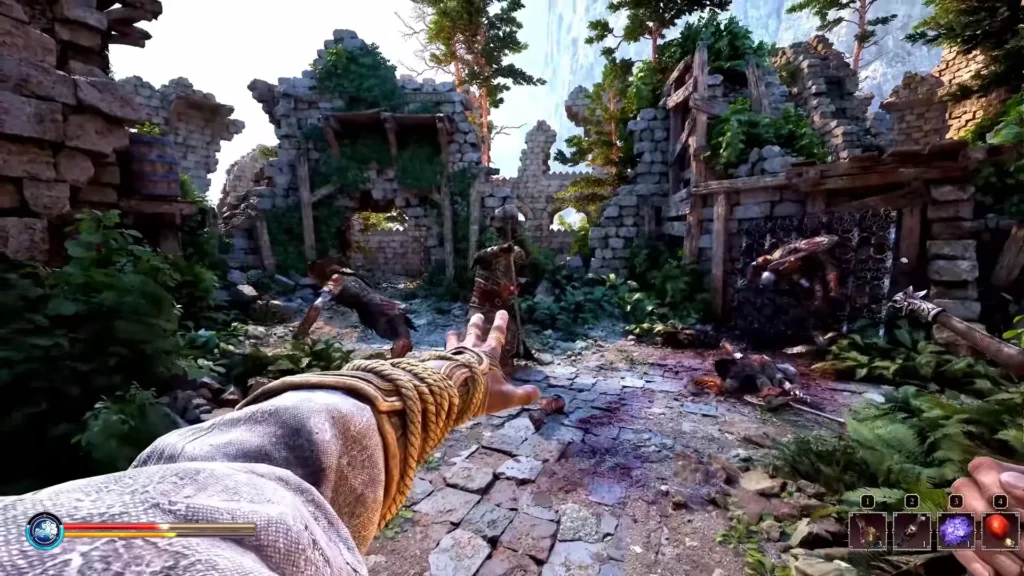
Pro-tip: Chain your elements for massive bonus damage. Here are my suggestions: Hit frozen enemies with fire to trigger Shatter Melt for a huge damage burst. Or explode burning enemies with wind to trigger Wildfire Spread and ignite the whole room.
Weapons & Gear Guide
Gear in Fatekeeper is found and looted, not crafted. This, I think, is both a blessing and a curse, for obvious reasons. Here, you focus on finding unique synergies instead of being forced to grind to upgrade materials.
There are five main weapon categories. With the right armor and artifacts, you’ll be unstoppable. (for a while, at least!)
- Swords: Balanced damage and speed. They are the most versatile option and pair perfectly with a shield or a spell focus.
- Greatswords: Huge, slow sweeping arcs that deal massive damage and stagger groups of enemies. You cannot block while swinging these beasts.
- Axes & Maces: Maces smash right through armored targets. Axes hit slower than swords but leave enemies bleeding.
- Spears: Maximum melee reach. You can poke threats safely from behind a shield.
- Daggers & Fists: Insanely fast attacks with high critical multipliers. They deal crazy backstab damage but demand perfect timing.
- Armor Pieces: Include helmet, chest, gloves, and boots. Heavy armor decreases damage but slows you down and drains your stamina, too. On the other hand, Light armor lets you dodge farther and recovers your green bar faster.
Make sure to inspect your artifacts in the inventory menu. Some items have hidden properties that do not show up in the basic tooltip. You can find crazy combos, like boots that leave a trail of ice or rings that add frost to your fire spells.
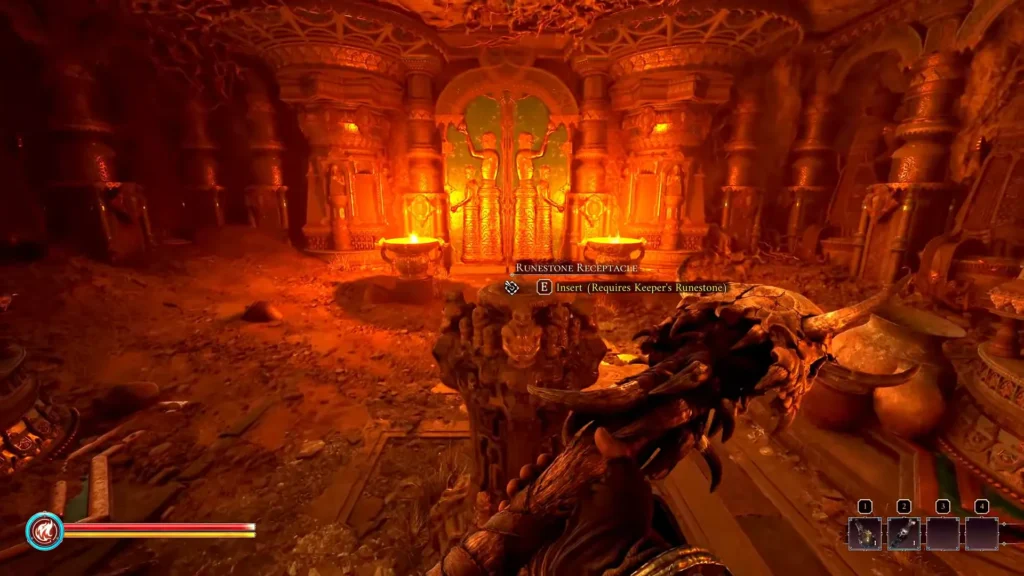
Fatekeeper Beast & Boss Guide
As I said before, you’ll be eaten alive if you just press the ‘attack’ button. You need a specific tactic for each monster type. Use the tactical counters below to beat the standard mobs and the first major bosses:
Elite Enemy Tactics
- Shortlings: These little pests swarm you fast. Use a long greatsword or a fast dagger to clear them before they surround you.
- Corrupted Footmen: They block your basic attacks with shields. Kick their shields to break their guard, then follow up with a heavy melee combo.
- Orc Berserkers: These monsters cannot be easily staggered during their heavy swings. Wait for their red attack tell, backstep to dodge, then counterattack.
- Giant Centipedes: Watch the ceiling in dark areas. They love to drop down on your head. Use fire spells to burn away their tough outer armor.
- Armored Minotaurs: They rely on a heavy forward charge. Sidestep right before they hit you. They will smash into a wall and stun themselves.
- Corrupted Druids: These casters heal other enemies from the backline. Always rush past the frontline tanks and kill the druids first.
- Giant Lizards: They attack with a fast tail-whip spin. Keep your distance with a spear or deflect their physical lunges with active parries.
The Blightwood Ancient Strategy
The Blightwood Ancient is a brutal three-phase boss fight. You need to use the environment to survive its massive area attacks.
- Phase 1: Focus entirely on the glowing root nodes at the base of its trunk. Hit them with Pyromancy spells to deal massive burning damage.
- Phase 2: The boss will start slamming the ground to cause cave-ins. Hide behind the stone pillars around the arena to block the falling debris.
- Phase 3: The Ancient goes berserk and fills the room with poison roots. Use your wind magic to blow away the poison clouds, then finish the boss with fire combos.
Lord Commander Veydris Strategy
Lord Commander Veydris does not use heavy magic, but his sword speed is insane. If you’re a fan of pure melee fights, you will enjoy this boss fight.
- Learn the Rhythm: Do not try to run away from him. Stay close and time your active parries to stagger his fast three-hit sword string.
- Counter the Thrust: Veydris loves to use a sudden gap-closing thrust. Watch for his shoulder to drop, then side-dodge to get a clean backstab angle.
FAQ
Is there a crafting system in Fatekeeper?
No, you will not find any weapon crafting here. Gear is entirely looted and found through world exploration. The developers want you to focus on building cool synergies instead of grinding for raw materials.
How do I respec my Fatekeeper skill points?
You can reset your skills at the Sanctuary of First Flame. Respecs are completely free early in the game. Later on, you must spend a rare resource found through exploration to wipe your tree.
Can I play Fatekeeper co-op with friends?
No, the game is a strictly single-player experience. The studio is completely focused on delivering a polished solo campaign.
Which build is best for beginners?
Go with the Druid Adept build for your first run. It balances melee, magic, and alchemy perfectly. You get to test every system safely without getting locked into a bad playstyle.
Will my save data carry over between major patches?
The developers have issued a clear warning about save files during the Early Access period. Because major updates change the game’s core file structure, some updates might occasionally force a fresh character start.