

You’re about to jump into the chaotic beauty of rebuilding a fallen empire, and I’ve gathered everything you need to thrive. This is the practical Romestead guide to getting a foothold in the game. The final version has been come and this text makes you ready to shine among the best players.
Important Note: This guide is updated based on the real playing experience of the final version, released on 26 May 2026.
You’ll Read:
The Core Premise
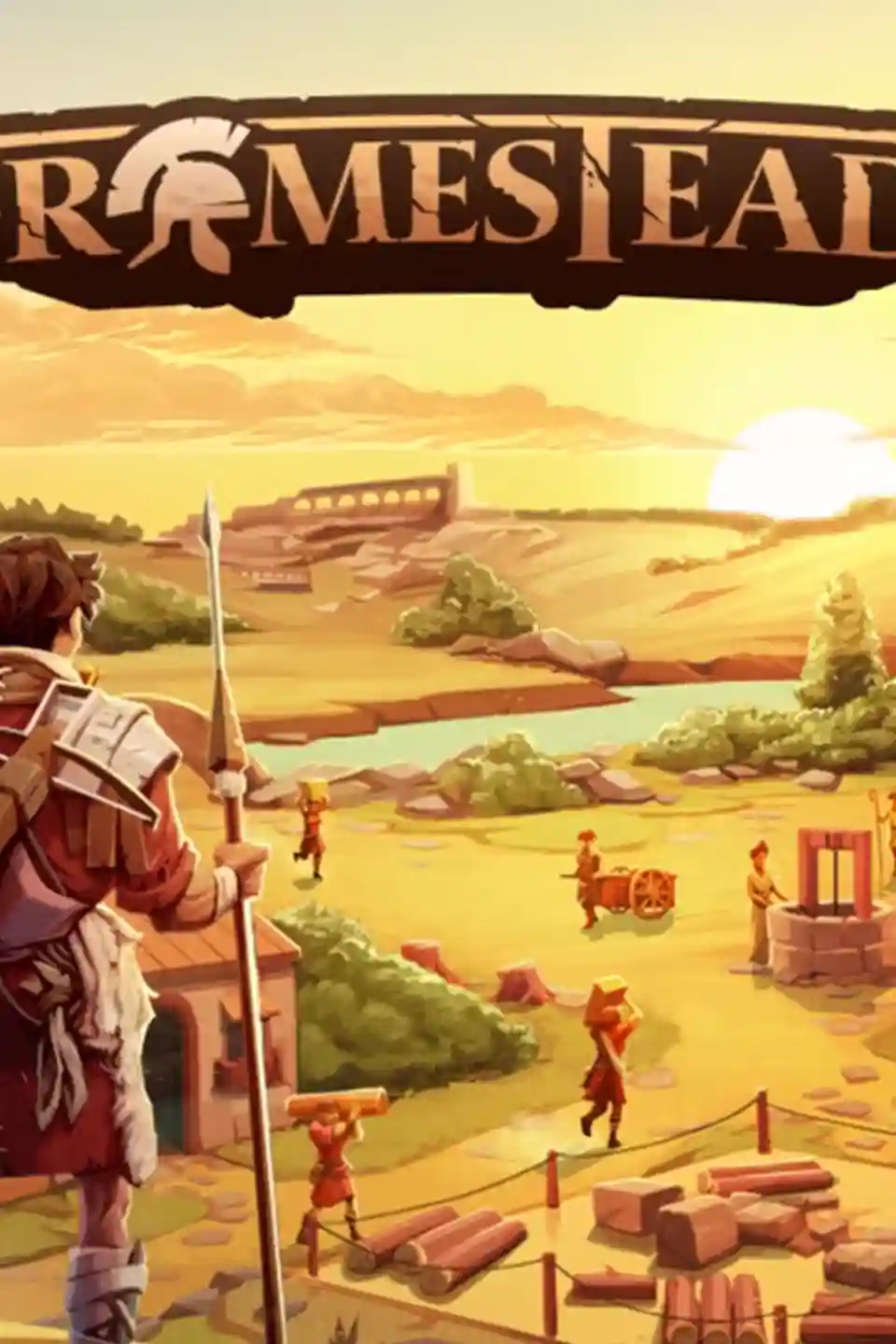
The pitch is simple. Ancient Rome has fallen to a supernatural plague that turned its citizens into shambling husks. The gods have chosen you (and up to seven friends) to rebuild civilization from the ground up, one stone and one sword swing at a time.
This isn’t just a building game; it’s an action-survival RPG where every structure you build and every citizen you recruit is a step toward reclaiming the world. Take my hand and get ready to become a godlike builder.
A Romestead Guide for the First Hours
Your first hours are the most dangerous. The world will overwhelm you if you don’t have a clear plan, so here’s your survival checklist, written with love and my experience!
Choose Your Difficulty Wisely
Before you do anything, decide on your death setting. Softcore is highly recommended for learning the ropes, as it’s much more forgiving of early mistakes.
If you prefer the full survival pressure of Normal mode, remember to store rare items at home and don’t carry anything too valuable into unknown danger. If you’re still learning the map,
Start Your Base
The fact is that your top priority is building a Workbench. This single structure is the gateway to crafting, building, and recruiting your first citizens. Once you have a workbench, immediately build a Leather worker and an Empty House.
Oh, and note this that your spawn point is rarely a good home. Placing your town core right where you start often leaves you far from coal, water, and other biomes, making every crafting trip a chore.
Do this instead: Spend your first few minutes exploring. The best base location is near the center of the map, ideally in a spot that touches multiple biomes (Plains, Forest, Desert, Volcano) at once. This cuts down on travel time for the rest of your game.
Get Your First Tools
Your first resource goal is to gather sticks and flint shards. You can’t just mine flint; you have to pick up a full piece and throw it at a rock to break it into shards. Once you know, you know.
Beat the Night
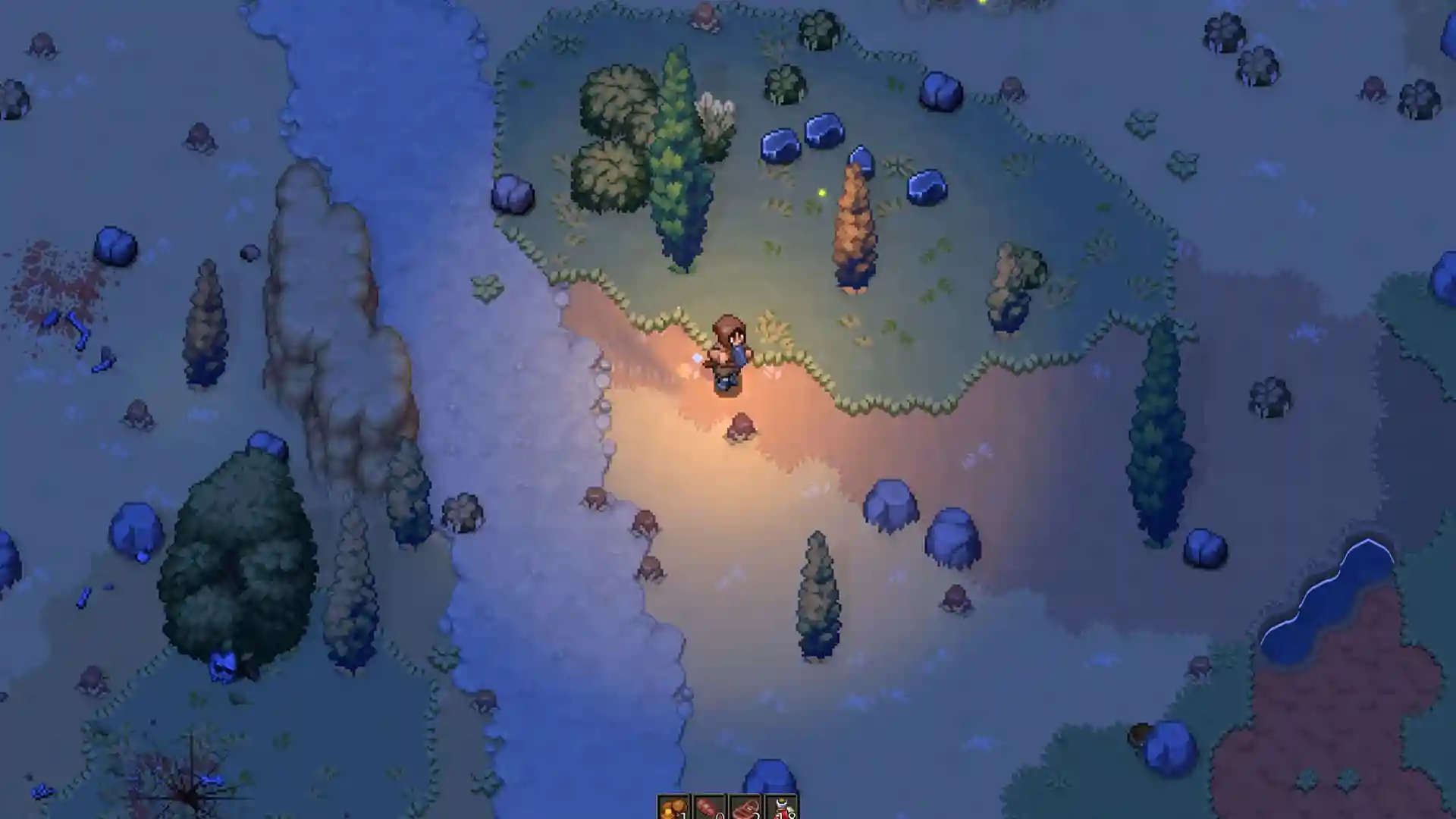
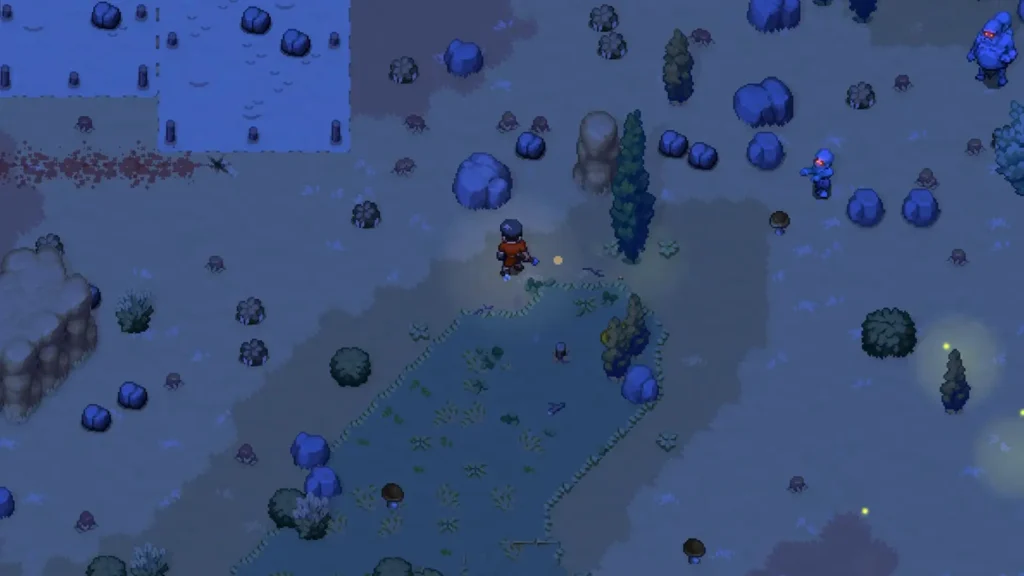
Nighttime is when the true monsters come out. To safely skip the night, you need to sleep. Have your leatherworker craft a Leather Bedroll (cost: 2 Leather, 2 Wool, 1 Wheat), place it in a house, and interact with it to sleep. This also sets your respawn point, so it’s essential.
Gather and Prepare
The game auto-equips your tools based on context, so you won’t be fiddling with a hotbar when a wolf charges. Use the daytime to stockpile basic resources. You’ll need them to build defenses, because “Town Raids” happen every few days.
Defend Your Settlement
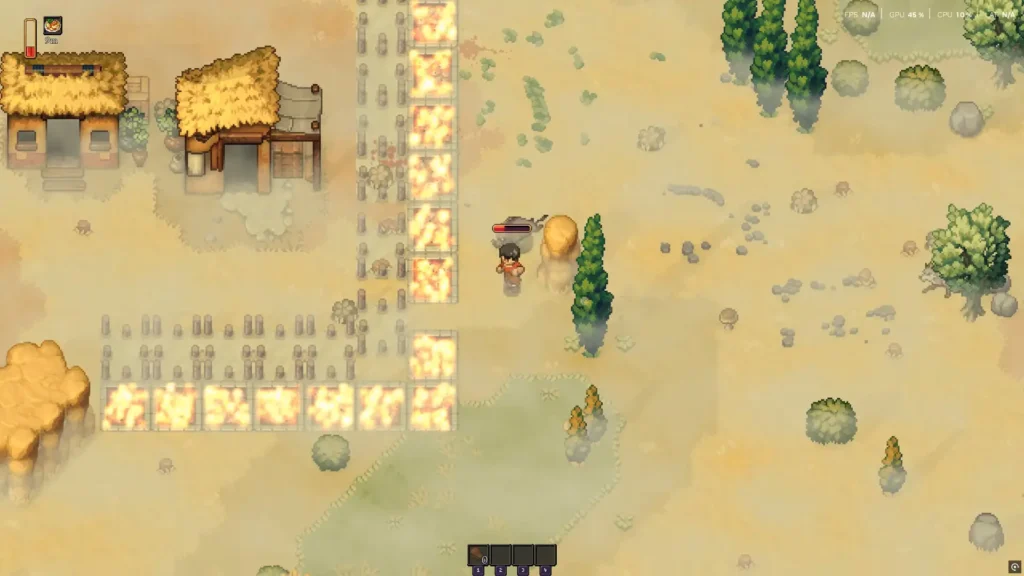
Failing a raid means citizens can suffer lasting wounds or even die, permanently losing their levels. Build walls, lay traps, and later, a barracks. The Defense Value of your town, which you can see at your workbench, determines how well your citizens can hold the fort when you’re away.
Rebuilding Rome One Building at a Time
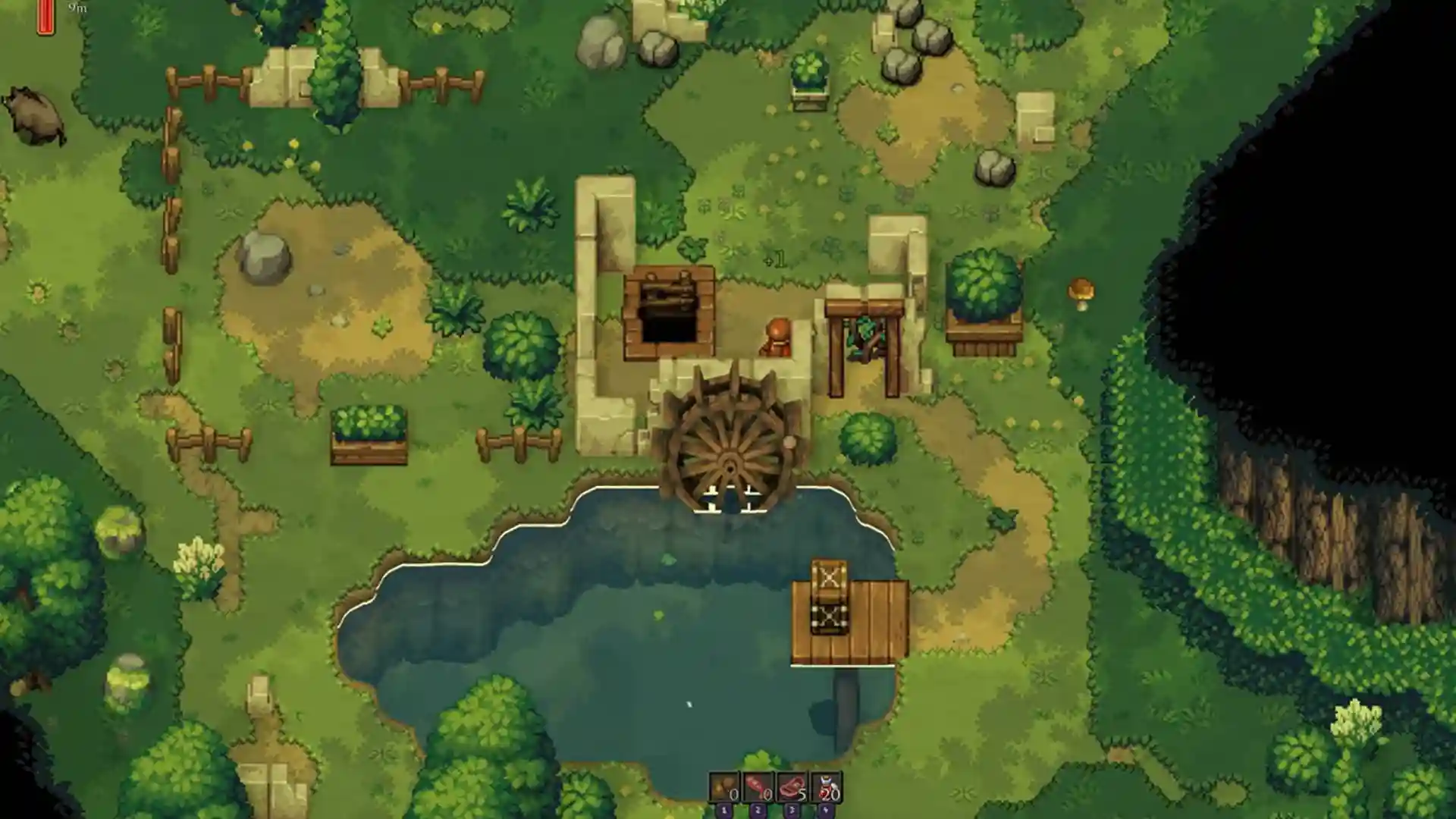
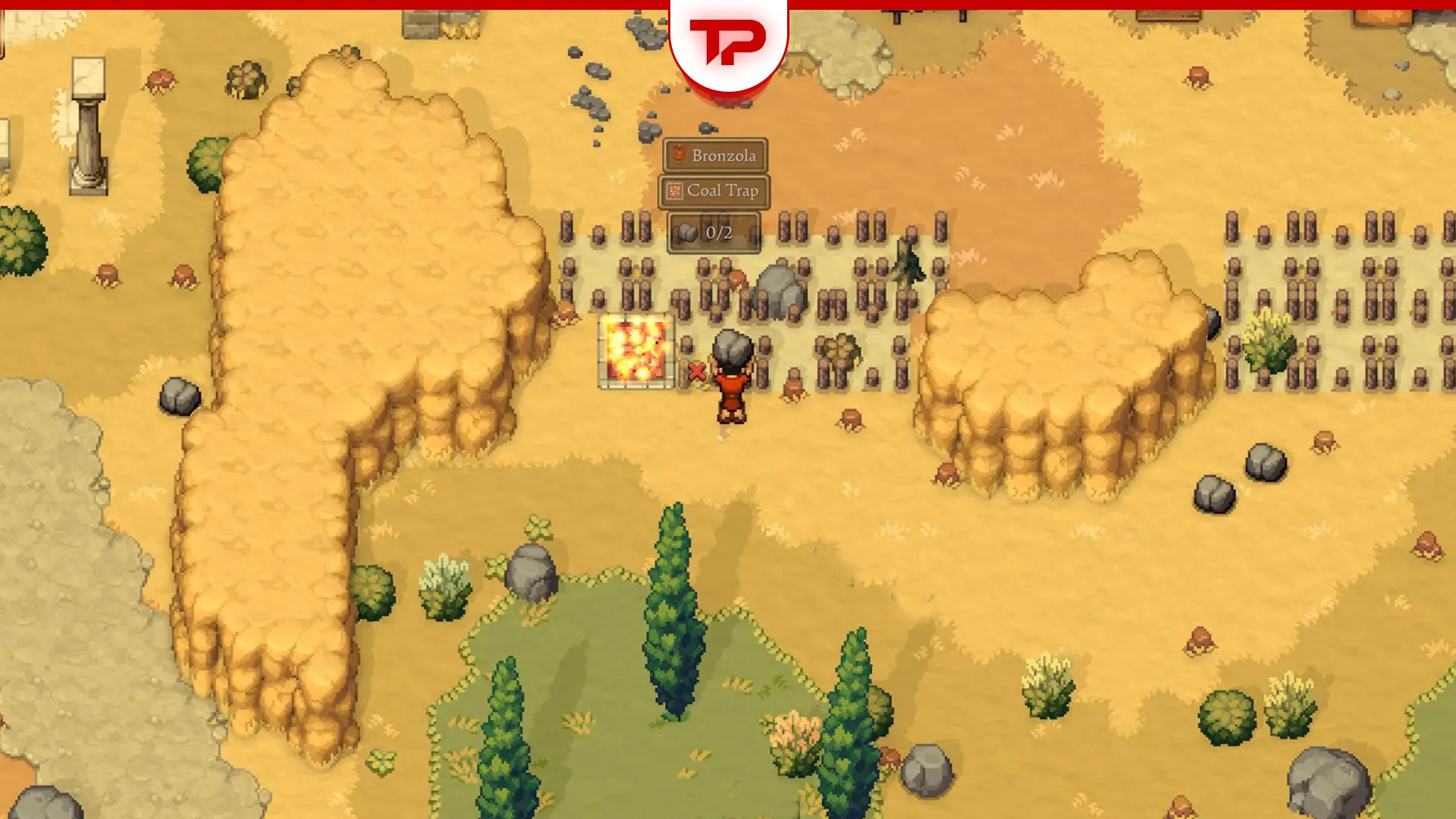
Once you have a foothold, the city building loop is what will consume your time. The game uses a unique, physically interactive building system. You don’t just click a “build” button; you place a blueprint on the ground and then physically toss the required logs and stones into it. A short rhythmic minigame lets you hammer everything together.
Key Romestead Builds
There are three kinds of essential builds in the game. They are Specialized Workshops, Decorations and Automated Logistics.
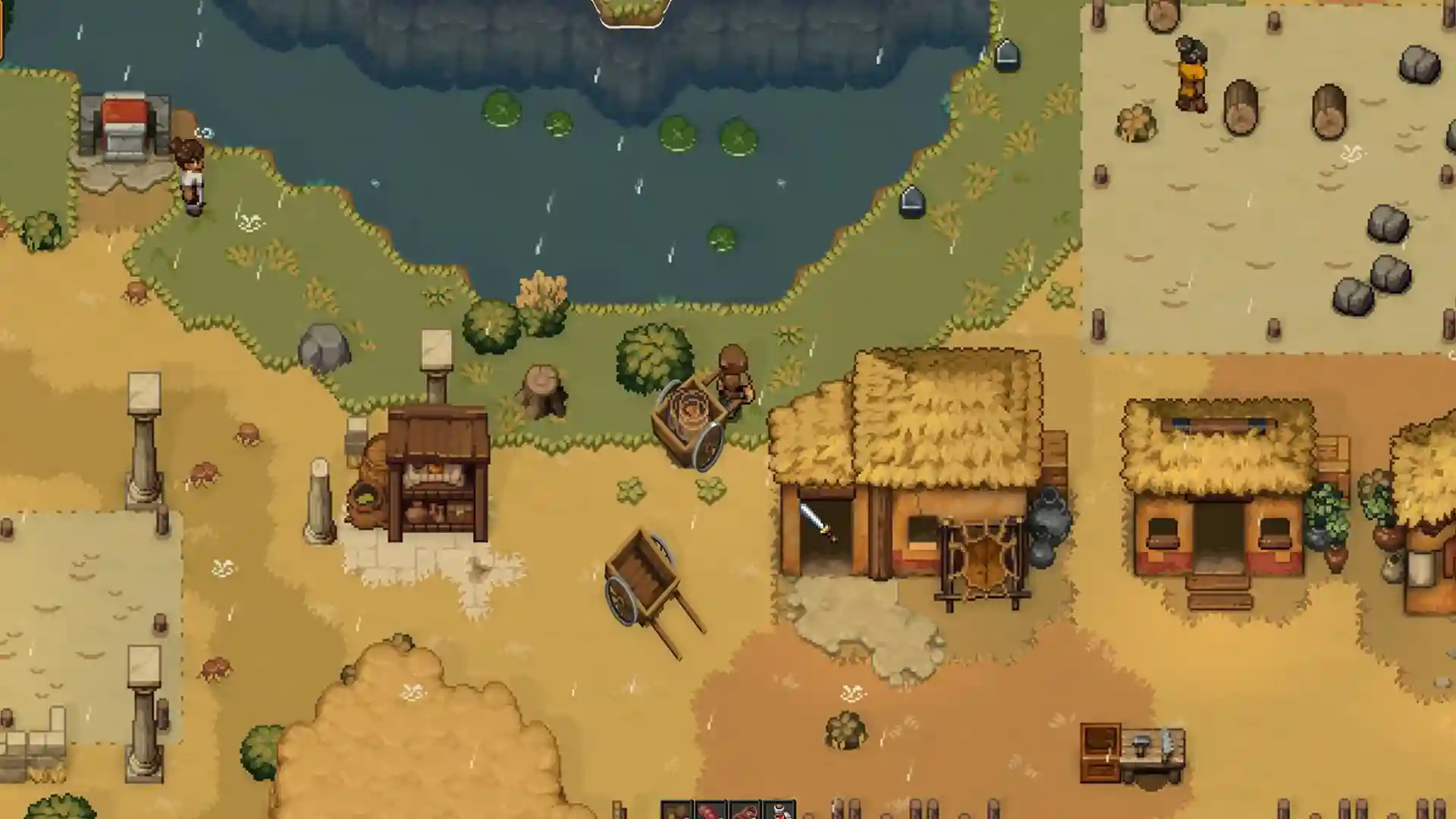
Specialized Workshops are Blacksmiths for better tools and weapons, and a Farmstead to feed your growing population.
Decorations aren’t just for looks. They directly increase your citizens’ happiness, which is crucial for a productive settlement.
Automated Logistics are another set of important builds. As you progress, you’ll unlock more advanced buildings like trade posts and carpenter shops that can automate your production lines, which is a huge time-saver. Your fellow artisans from all walks of life will be needed to craft and progress. You will need fellow artisans from all walks of life to craft and progress.
Adventuring, Combat, and the Gods
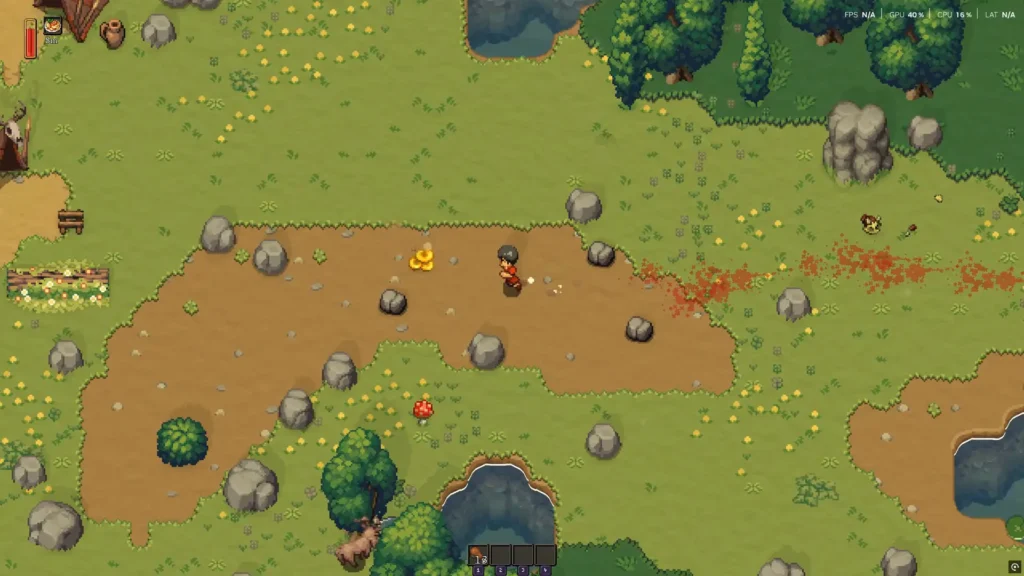
You can’t just stay home. You’ll need to venture into the wild for rare resources, treasure, to complete dungeons. Combat is inspired by Souls-style action. I mean you’ll need to learn to dodge and study enemy patterns to survive.
One of the most important choices you’ll make is which Roman god to dedicate your adventures to. You’ll find offerings in the world, and restoring worship to a specific deity grants you powerful, permanent talents, essentially the game’s skill tree system.
Combat Tips in the New Version
The action adventure side got some love. Combat feels snappier, and exploration is more rewarding with new points of interest.
Expect smarter enemy behavior. Light up your perimeter and use elevated positions. Co-op (up to 8 players) makes big raids way more fun, coordinate roles!
Slaying legendary creatures unlocks tech trees and god favor. The new volcanic biome brings fresh challenges and resources.
Plains, forest, swamp, desert, volcanic, and the ruined city are important. Build forward bases as you expand. Progression is biome-gated, so plan your expeditions.
Your Character & Class
The game features deep RPG systems with a huge variety of weapons, armor, trinkets, and consumable buffs. While your beginning goals are the same, your starting “vocation” gives you a leg up with specific early-game items and skills. You can choose to be:
- A sword-wielding Legionary for immediate combat prowess.
- A studious Scholar for a head start on research and recipes.
- A Woodcutter, starting with an axe to make early resource gathering much smoother.
Choose based on your playstyle. Which one will you pick?
Character Creation
Pick your profession wisely. The Velites (light infantry type) is still popular for early mobility and scouting. New appearance options give you more flair. Your starting loadout and skills matter more than in beta because progression ties deeper into biomes and god favor. And this god issue matters a lot.
Romestead Building
here are some tips for a better build in the game. Restore temples and earn blessings from the Roman pantheon. Different gods offer unique bonuses (combat, farming, crafting, etc.). Balance your worship.
Deeper progression tiers. Early game is familiar, but mid-game opens siege weapons, better industry, and decorations. If you just want chill vibes, the farming loop is deeper and more satisfying. Grow crops, raise animals, and trade.
Pro Tip: Start compact and defensible. Expand outward once you have reliable night protection and NPC help.
A Few Final Romestead Tips
Before you go, here are two random, crucial things to know:
First, you should know that your citizens are everything. They aren’t just furniture. They have jobs, unique personalities, needs, and preferred gifts. Giving them gifts they like increases their loyalty. If a citizen dies, they’re gone forever, taking all their levels with them.
I also recommend that you read the Town Reports. Every day, open the “Town Report” page. It will detail what happened overnight, what resources you gained or lost, and whether any citizens were harmed.
Romestead: Build it Like Home
You know, Rome isn’t just waiting to be rebuilt, it’s waiting for you. Whether you’re fighting off undead legions solo or building a bustling town with seven friends, this Romestead guide will light your way to becoming a pro player.
Start small, keep your citizens happy, and for the love of Jupiter, don’t forget to sleep at night. Now grab your sword (or axe, or book, just something) and go reclaim what was lost. See you in the fields of Italia.
FAQs
Can my PC run it?
The specs are very forgiving. You’ll need at least an Intel Core i5 processor, 8 GB of RAM, and 2 GB of storage space.
Do I have to play with other people?
Not at all. While the game is built for up to 8 players, the entire experience is fully playable and enjoyable solo.
What are the most important builds?
Workshops, automated logistics, and decorations are the most important kinds of builds.
What to do in the early game?
Defend your settlement, Skip the nights, and prepare for town raids.