
If you just started playing Going Medieval, you’ve probably realized one thing fast. Going Medieval castle design is not just about walls. It’s about survival.
Raiders will come and if your design is bad, they will get in and we don’t want it right?
So, this guide keeps it simple. No overcomplicated theory, just what actually works right now after the 1.0 version release. Also, I gathered some of the best samples of castle designs in the game which could be inspiring for you.
You’ll Read:
Everything About Designing Castles
I’m here to share all the tips I Know about castles in Going Medieval. The most important thing is to know how to actually build them in a way that they defend you well and last in hard battles.
Start Simple, Survive First
When you begin, don’t try to build a giant castle. That’s the biggest mistake. Early game is about staying alive, not looking cool. A small stone base with one entrance is already enough. The goal is to control how enemies reach you.
Think of it like this: If enemies can come from everywhere, you lose. If they come from one direction, you win. That’s why chokepoints are everything.
Terrain is Your Biggest Advantage
This is where the game really shines. In Going Medieval, you’re not stuck with the map. You can shape it and you should Dig into hills, raise ground, flatten areas and create your own battlefield.
Some of the best setups right now are:
- Hilltop bases with limited access.
- Plateaus with a single bridge.
- Dug in mountain bases.
Moats are also very strong. You can dig them yourself and force enemies to slow down or take a specific path. And also, Terrain is basically free defense. Use it.
Build Layers, Not Just Walls
Another tip for Going Medieval castle design is that a single wall won’t save you. Raiders in the1.0 version still bring siege weapons. That means your outer wall will get destroyed eventually. So instead, build in layers.
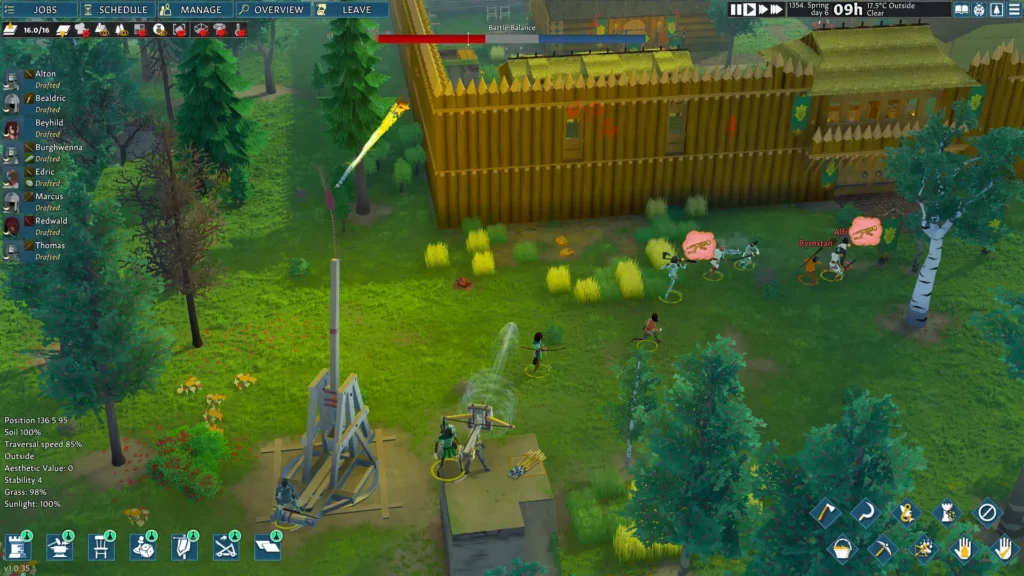
Start with:
- Outer wall
- Inner wall
- Main keep
If enemies break through one, they still have more to deal with. This creates what I call a kill zone, a place where enemies get stuck and your archers do the rest.
Height Wins Fights
Vertical building is one of the strongest mechanics in the game. Higher positions give your archers a huge advantage. Enemies take longer to reach you and they get hit the whole time.
Good ideas based on my own experience:
- Towers at corners
- Elevated walkways
- Archer platforms behind walls
Trust me, even a small height difference can change a fight.
Materials Actually Matter
At the start, you’ll use wood. That’s fine but don’t stay there too long. Wood burns and it breaks fast. Switch to stone as soon as you can. Limestone and granite are solid choices. They last longer and make your base stronger.
Also, better materials improve how your base looks and that affects your settlers more than you think.
Don’t Ignore Inside Your Castle
A lot of players focus only on defense then their settlers get unhappy. Productivity drops and everything slows down. Your castle is not just a fortress, it’s a living space.
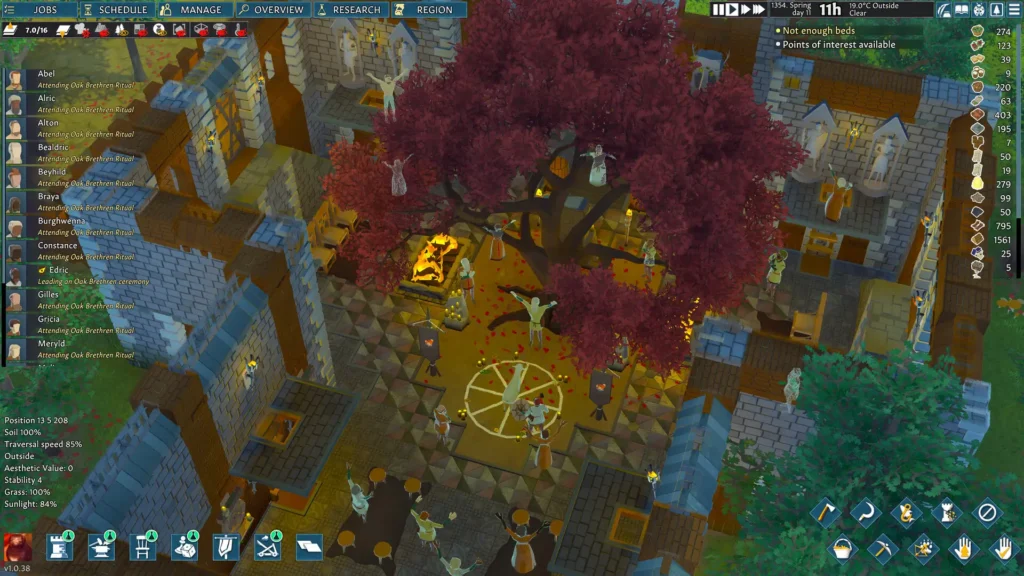
You need clean rooms, proper storage, good lighting and decorations. Later in the game, this becomes even more important.
Popular Castle Styles
Since the launch of the final version, people Seaking for professional castle samples in the game. Early, players go for compact and safe builds. Mid to late game, things usually get crazy.
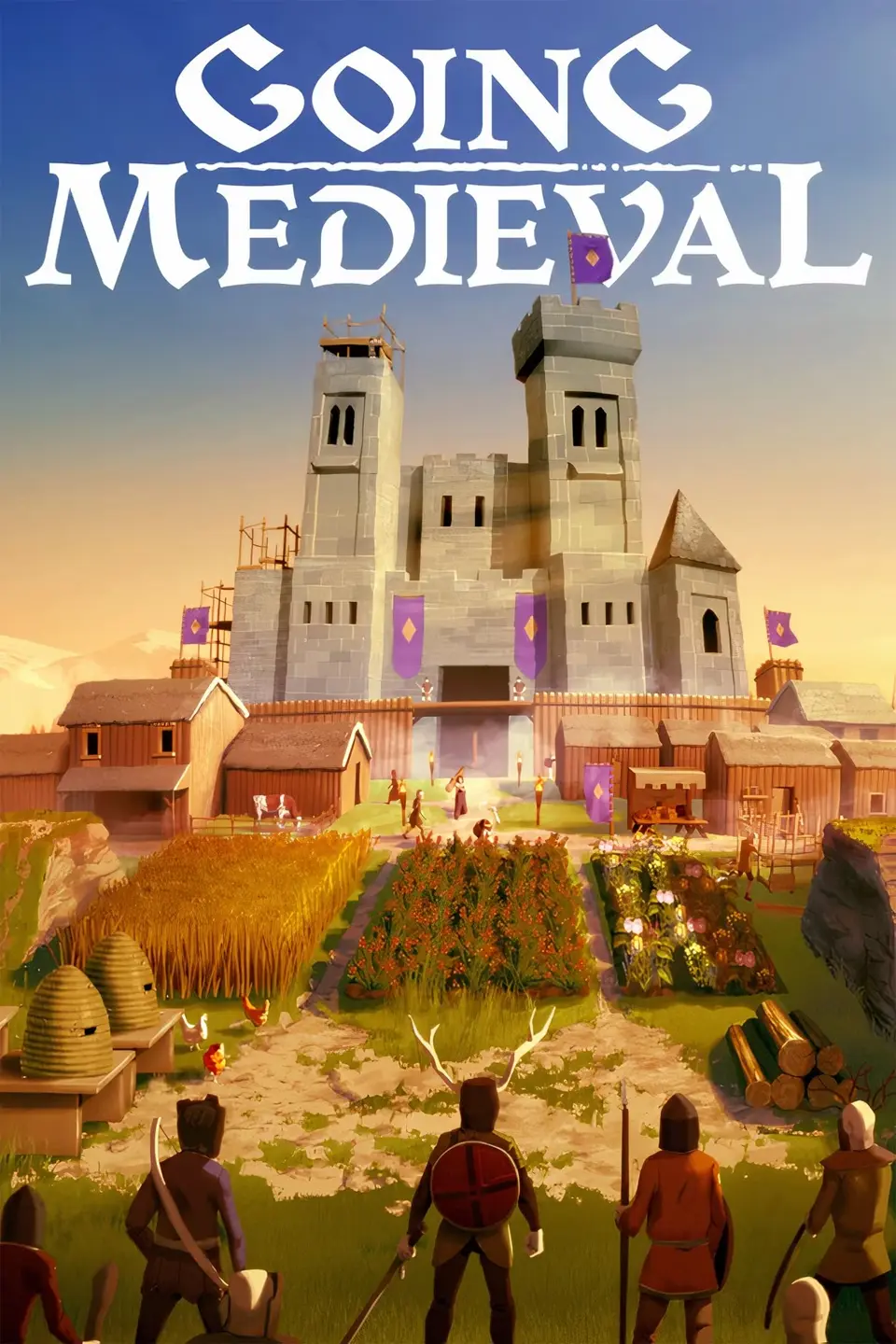
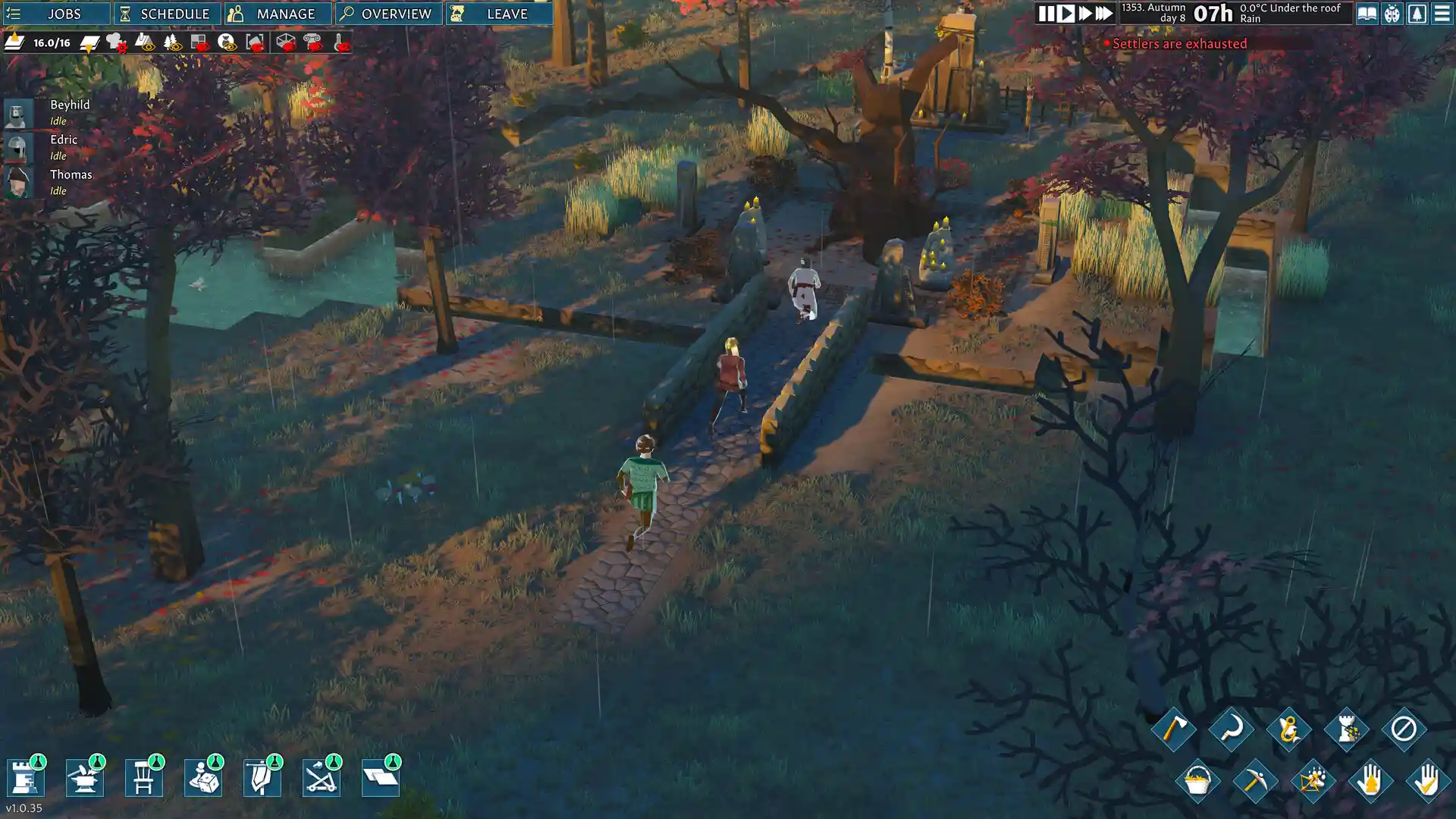
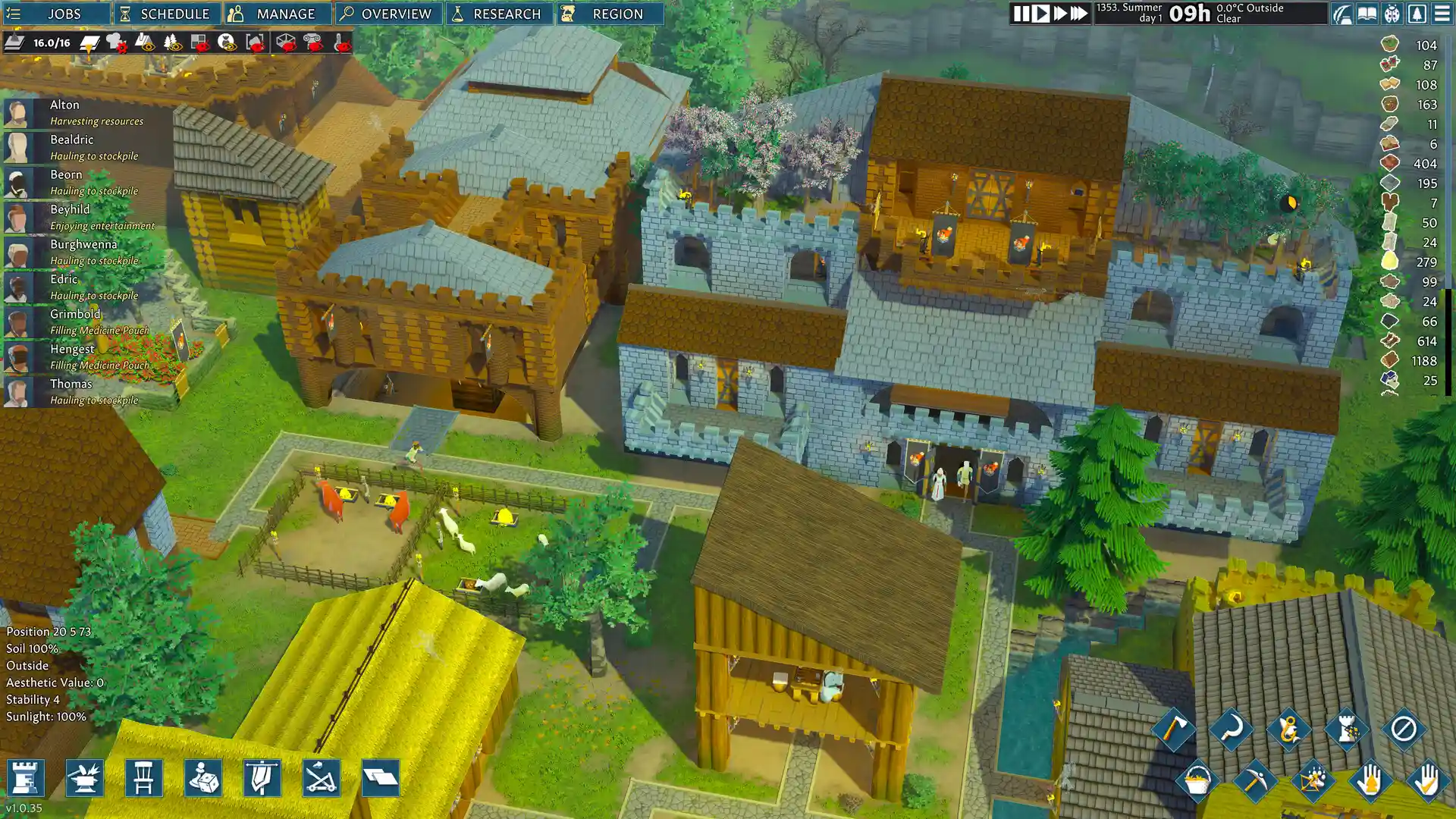
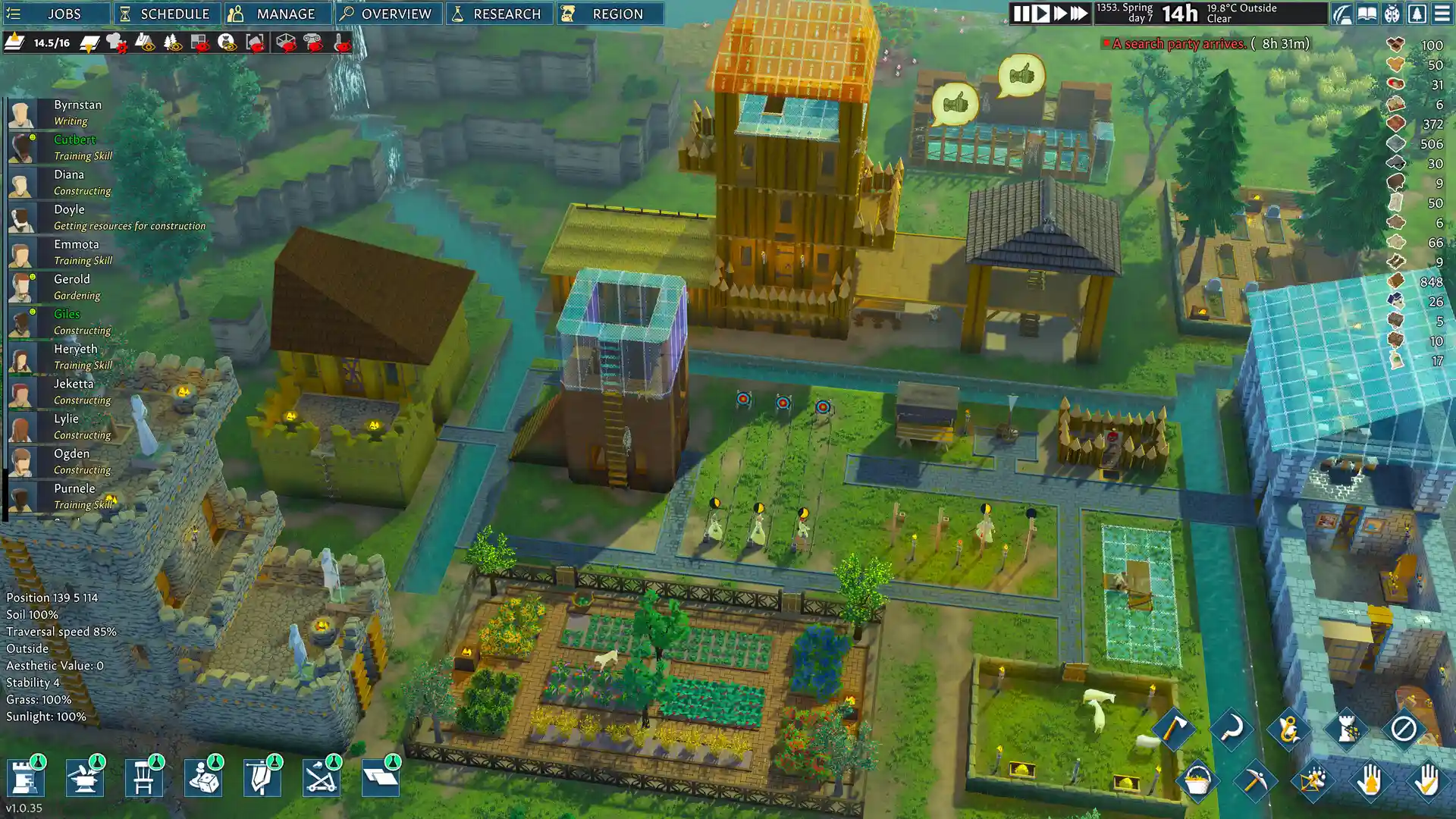
Pictures below are some beautiful examples of castle designs. They could be inspiring for you:
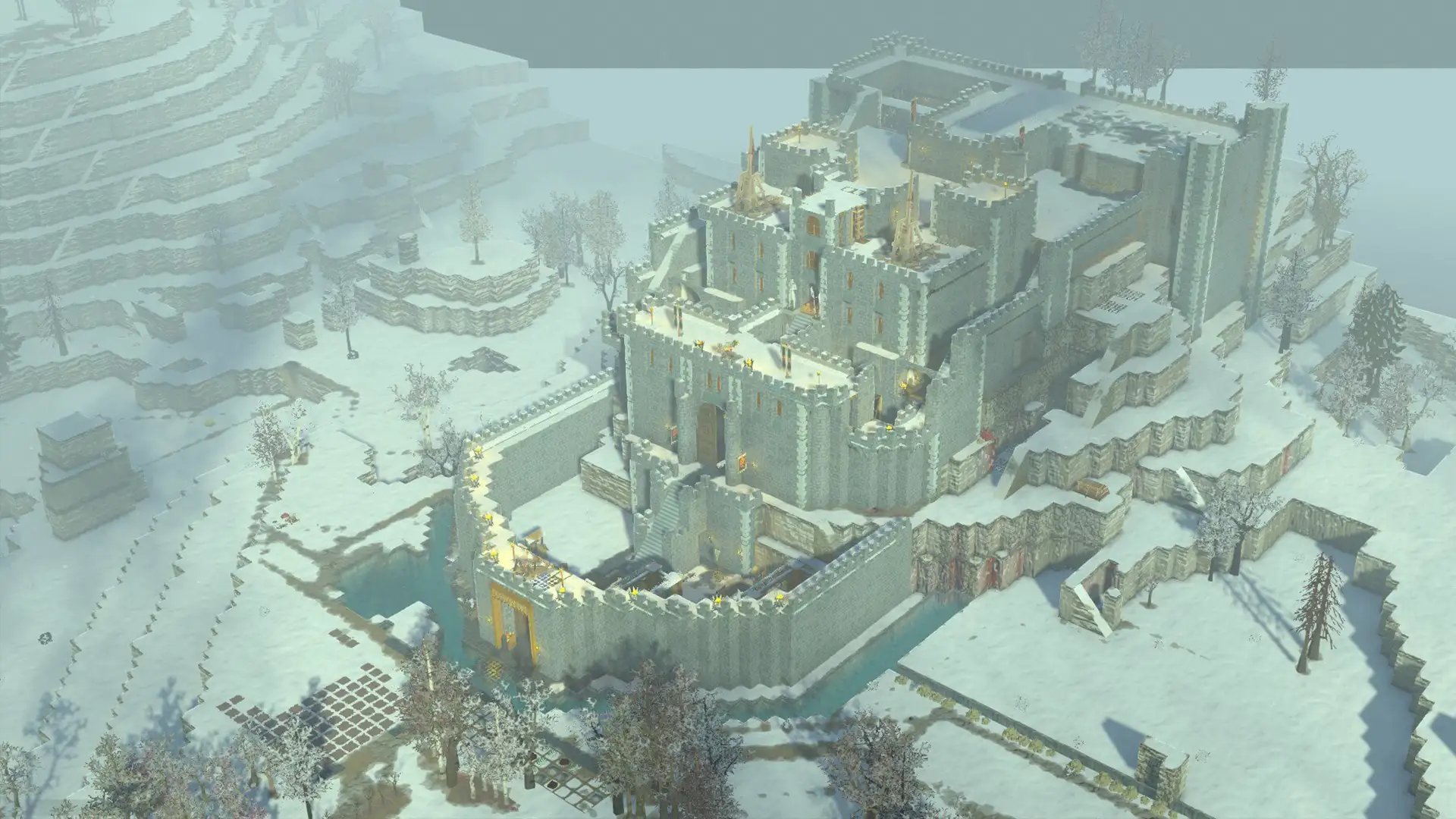
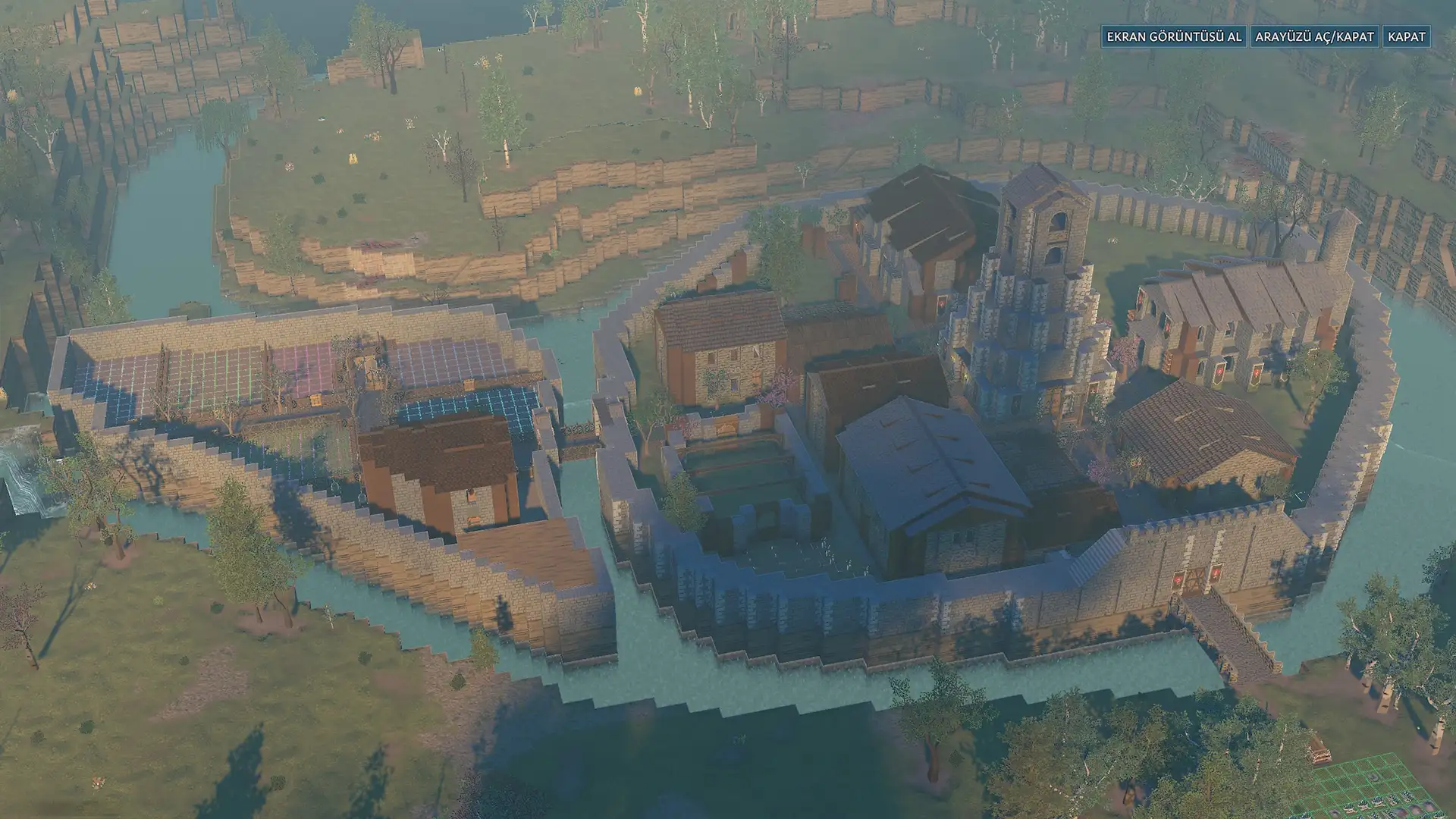
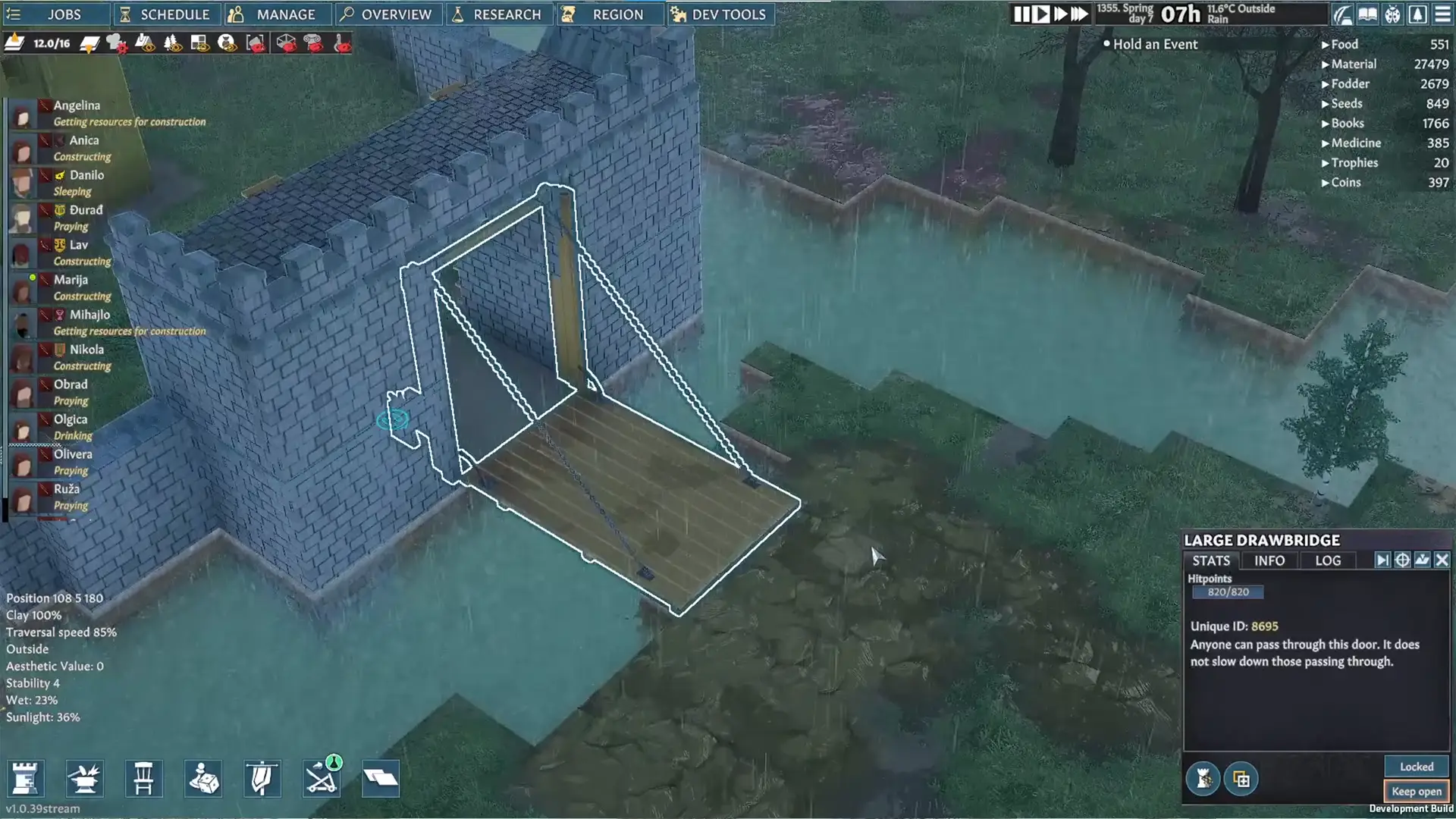
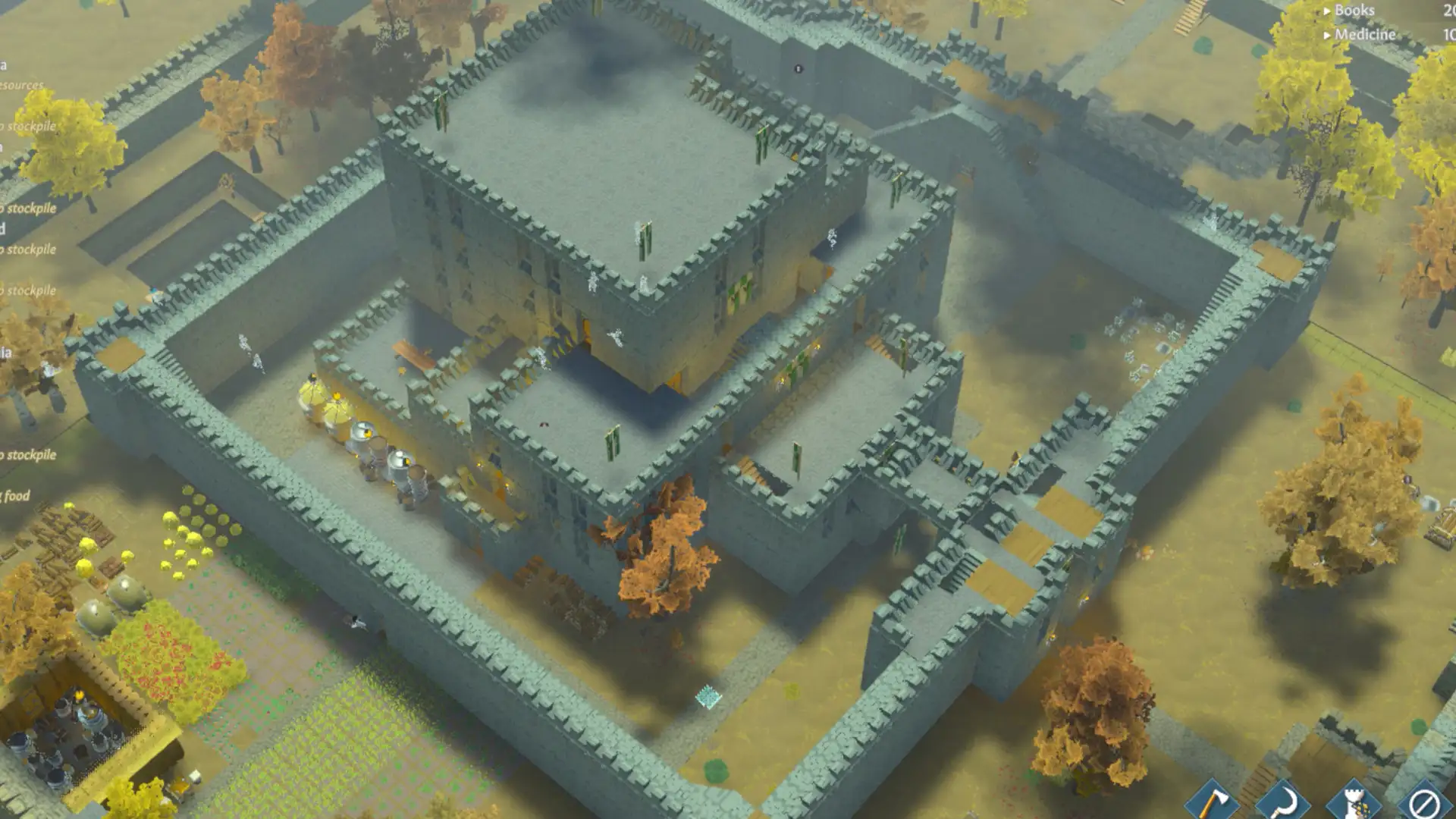
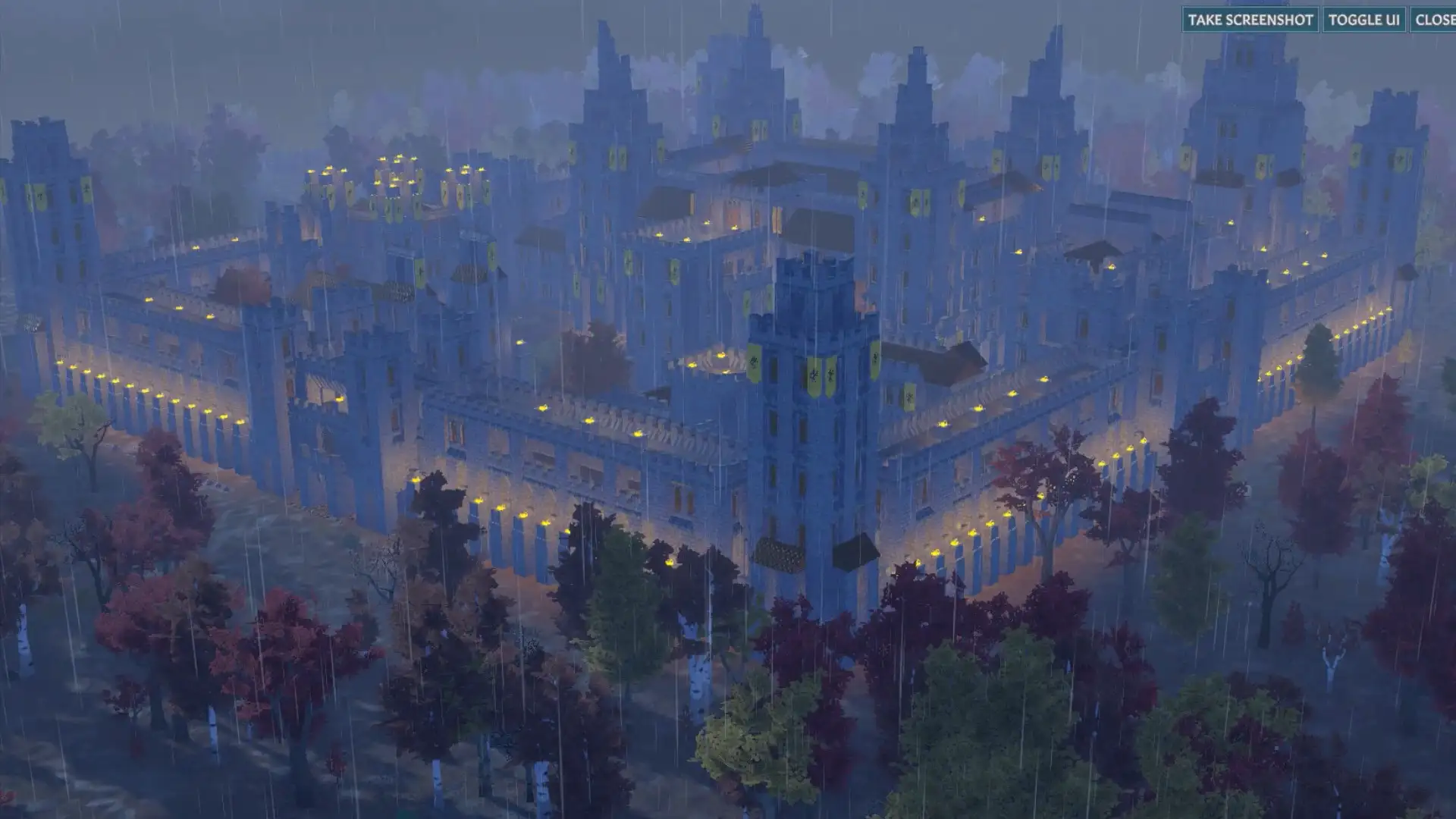
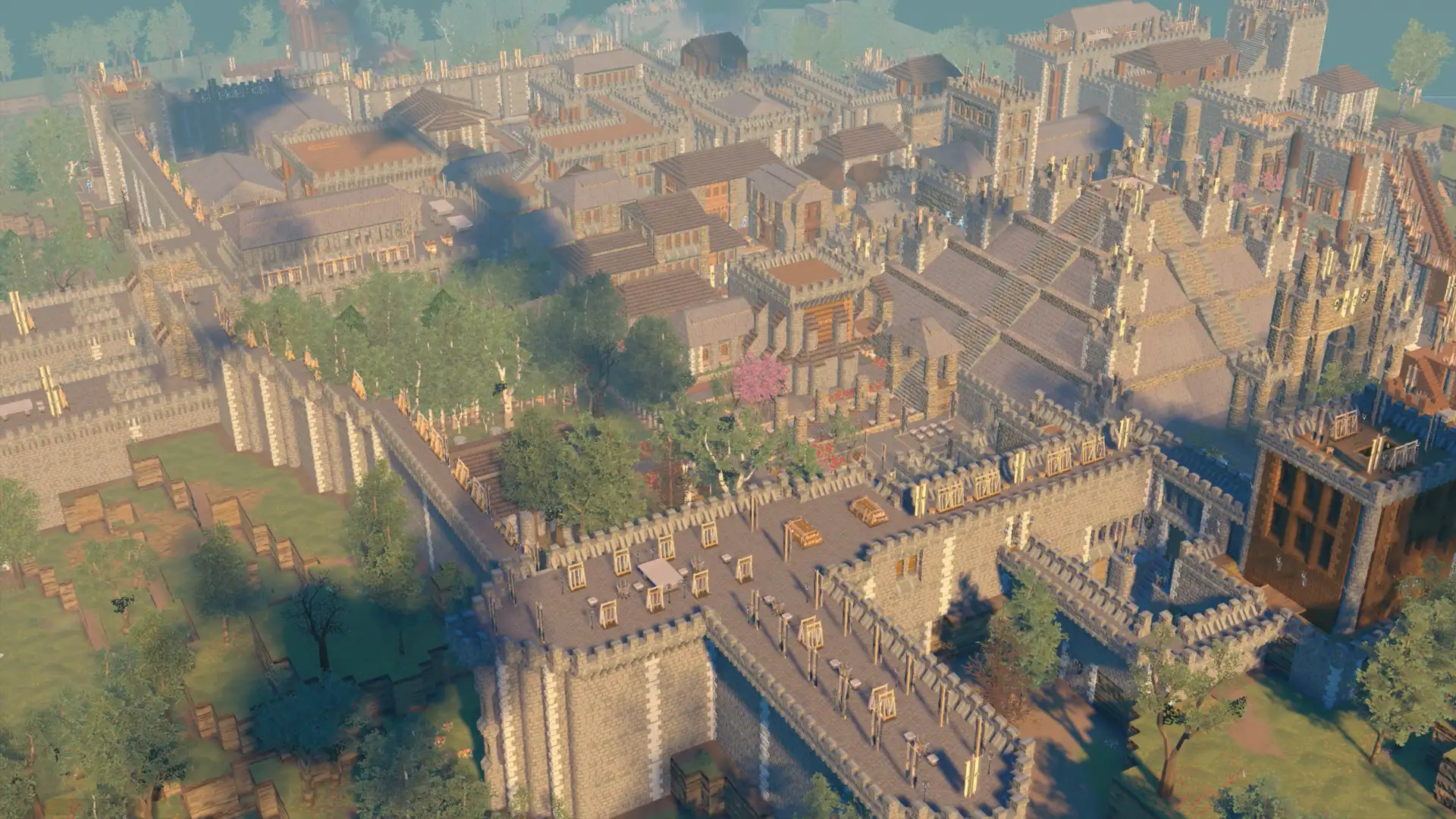
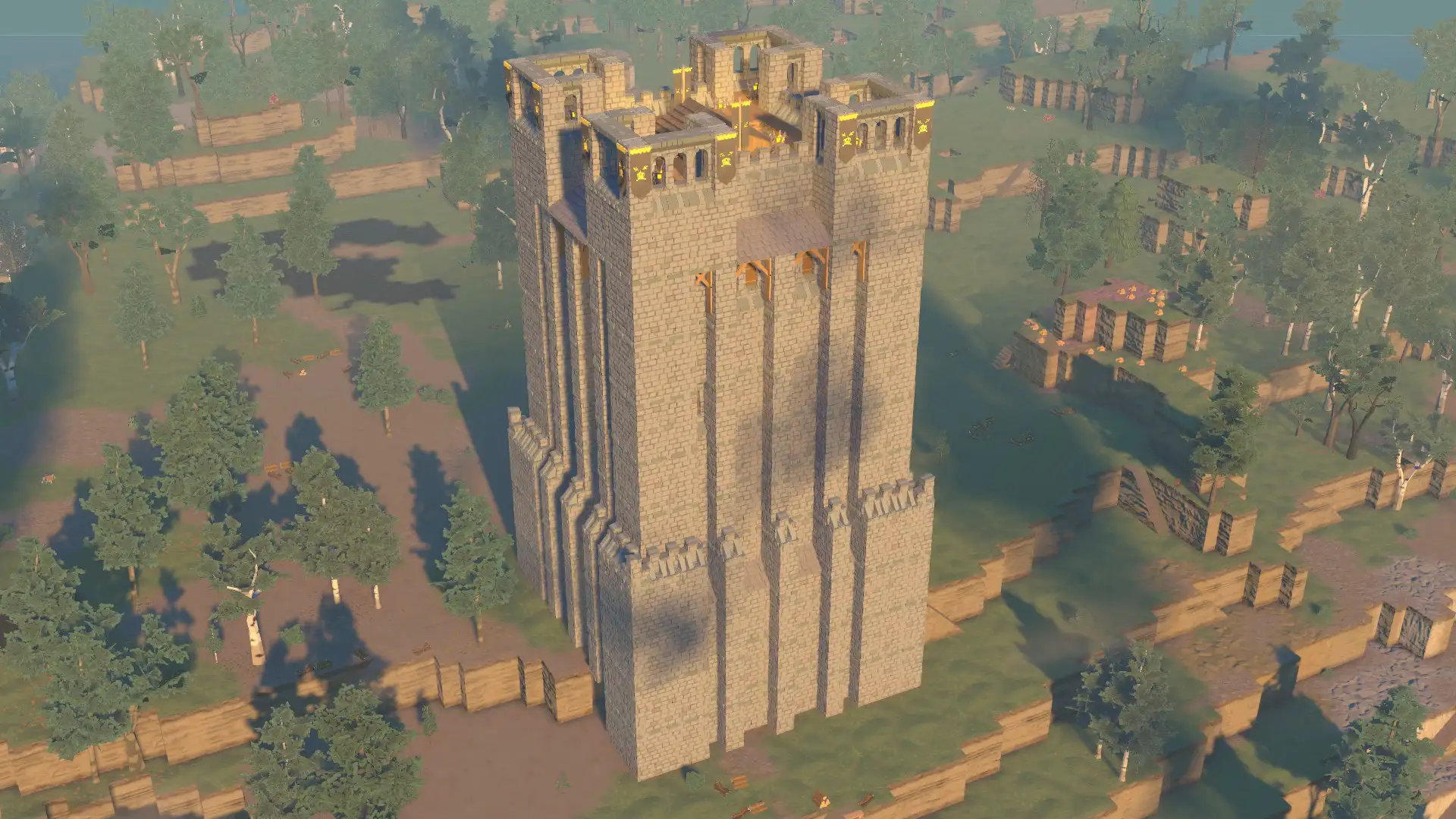
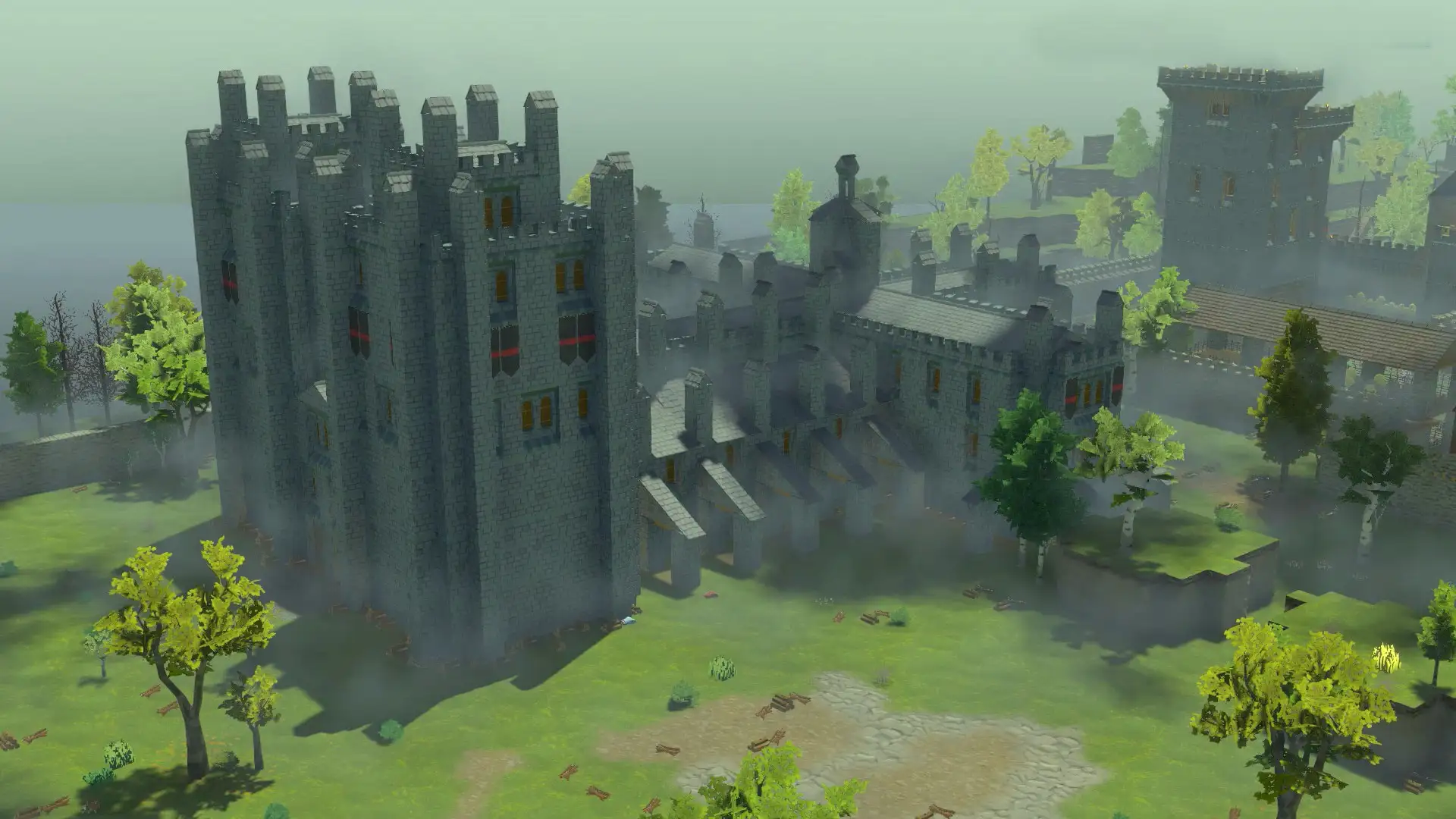
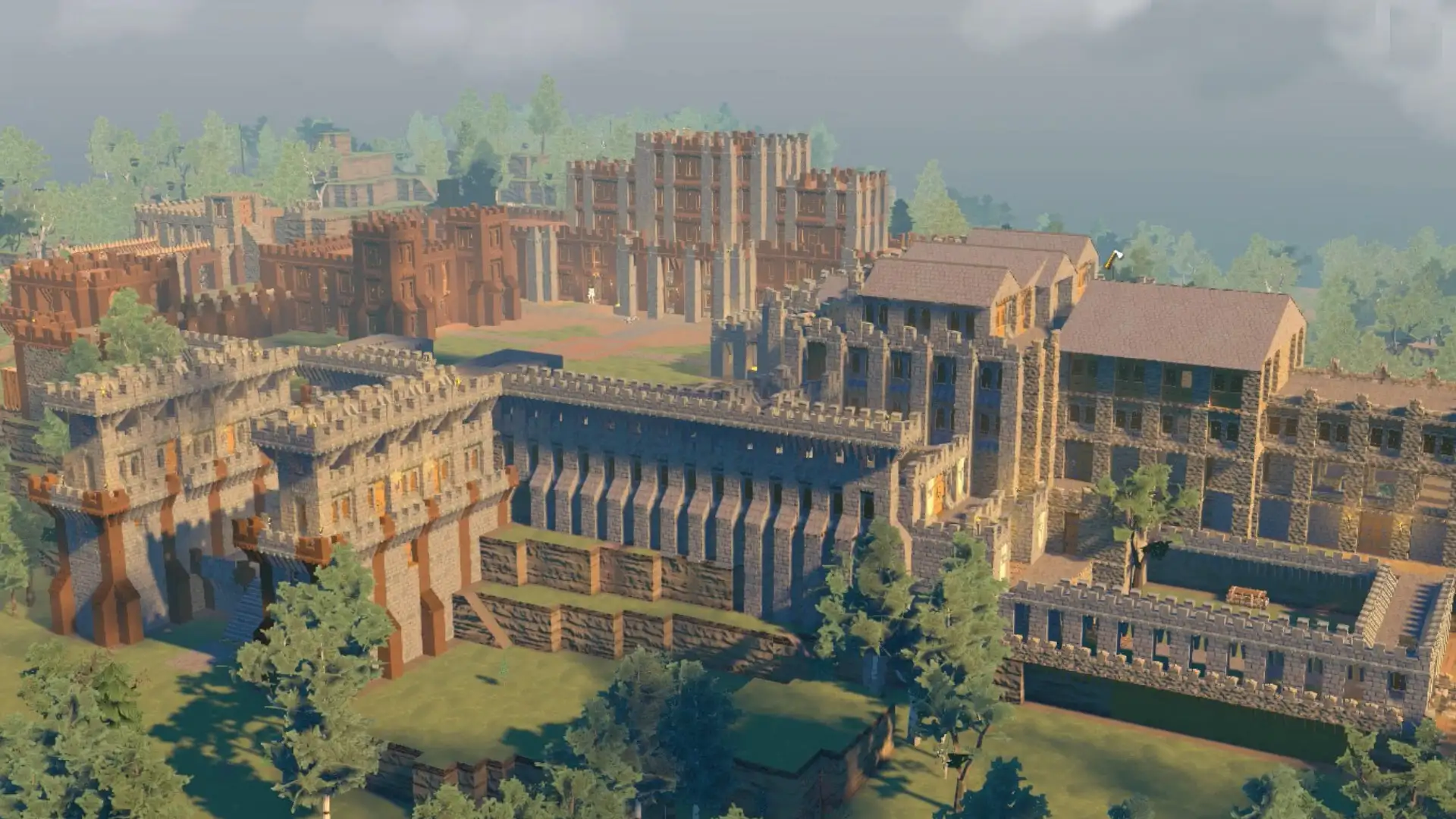
You’ll see massive plateau castles, multi layered fortresses, huge underground systems and historical style builds like motte and bailey.
Some players even try to recreate real castles. It works, but map generation can make it tricky.
Simple Strategy that Works
Going Medieval castle design is not that complicated. Anyway if you don’t want to overthink it, just follow these tips:
- Control the path.
- Build in layers.
- Use height.
- Upgrade materials.
That alone will carry you through most raids. Your skills probably increased while progress in the game.
What changed in 1.0
The full release didn’t completely change building. Core mechanics are the same. If you played before, it will feel familiar. But there are some important additions.
The biggest one is Grand Objectives. These are large endgame goals that push you to build bigger and more impressive structures.
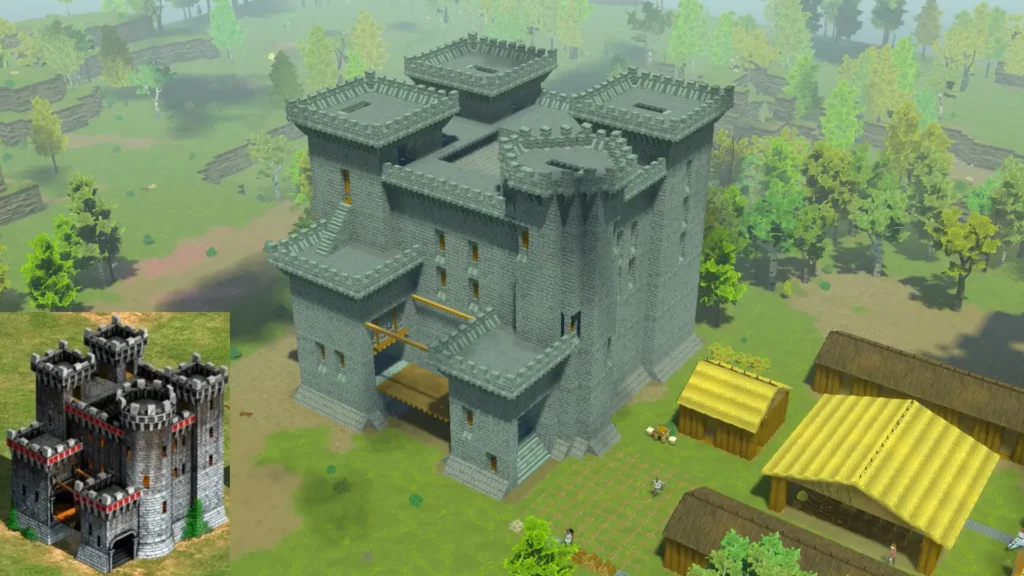
Things like huge libraries, religious buildings, pecial themed areas aren’t just for looks. They give your castle a real purpose.
There are also new settler roles and better progression systems. That means your base can grow more complex over time. This makes the final version worthy. In This 1.0 version, mods are now better supported, which opens even more creative options.
Castle, Defense and Going Medieval
Going Medieval castle design is one of the best parts of the game really. It’s flexible, creative. and honestly a bit addictive. So good that sometimes it becomes my main motivation to play the game.
You start with a small base then suddenly you’re building a massive fortress with towers, walls, and underground halls.
Just don’t rush it. Build smart first make it pretty later. Because a beautiful castle doesn’t matter much if it can’t survive the next raid.
FAQs
Are moats worth building?
Yes. Very worth it. Moats slow enemies down and force them into specific paths. That makes your defenses much stronger.
How many walls do I actually need?
More than one is better. A single wall will eventually break. Raiders in Going Medieval can destroy it.
What is a kill zone?
A kill zone is a trap area. You design your base so enemies are forced into one path. Then your archers attack them while they’re stuck or slowed down.
When should I switch from wood to stone?
As soon as possible. Wood is weak and burns easily. Stone is much stronger and lasts longer.
Do decorations actually matter?
Yes, more than you think. Better looking rooms improve settler mood. Happy settlers work faster and perform better.