


I’ve prepared this list of Banquet for Fools tips to help you out! I’ll cover tips for weapons, party creation, characters, combat of the game and more. this guide should answer most of the questions you might have about the game.
I recommend you to read all of this guide to know the game the most. If you are in hurry. Just find your favorite heading from the table below and go straight for it.
You Will Read:
Learn the Basics of the Story
The game actually takes place in the same universe as Serpent in the Staglands, though you don’t need to know that game to understand what’s happening.
You play as a group of volunteer guards sent to investigate a strange event on the island of Invamona. A settlement has mysteriously disappeared and your leader wants answers.
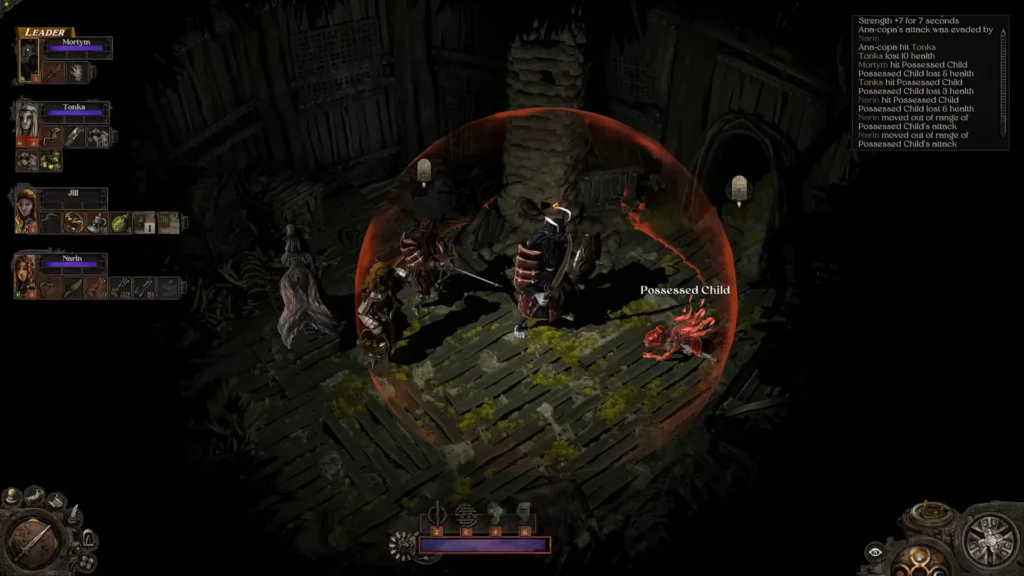
The island itself is valuable because it produces a rare spice, but it’s also known for being extremely difficult to live on. As you explore the area, you’ll run into different settlements, and hostile creatures that slowly reveal what really happened.
The story follows in a very old school RPG way. The game gives you information, but it rarely pushes you in a specific direction. You like it? Me too!
Party Creation Tips
Early in the game, you create your party. Instead of building a single character you actually control a group of four. Each member can have a different race, role, and specialization.
There are several races in Banquet for Fools, each with their own strengths and weaknesses. Some are very different from the usual fantasy options, while others are closer to what you might expect. The important thing early on is not the race itself, but how you distribute your skills.
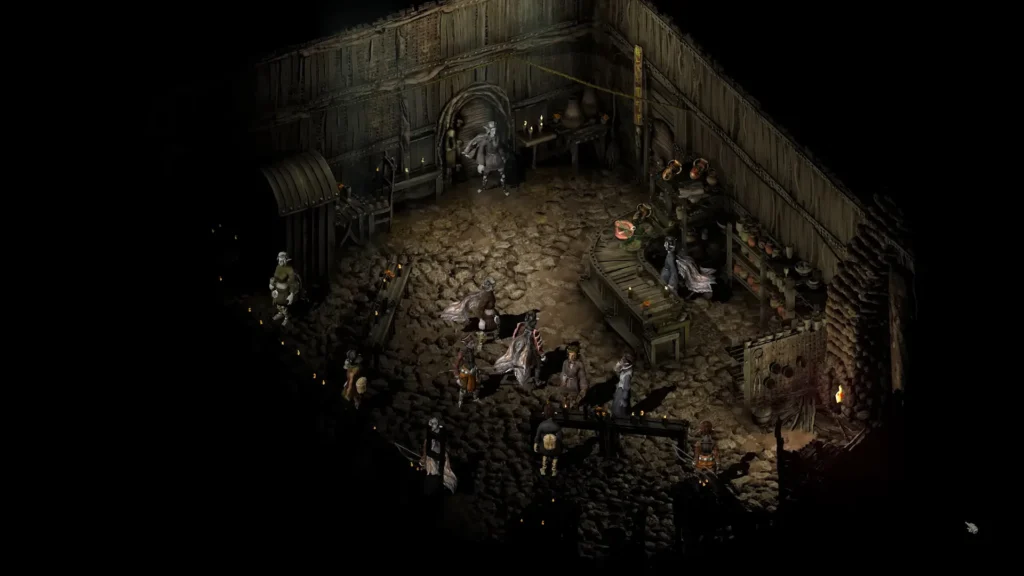
If you don’t want to deal with the details right away, you can select one of the premade archetypes. These give you a balanced starting build and make the early game easier to manage.
If you prefer customizing your party, try to give each character a clear role. For example:
- One frontline fighter with strong weapons and armor.
- One magic focused character.
- One support or utility specialist.
- And one flexible character who can handle exploration skills.
Banquet for Fools Character Creation Tips
Skills in the game work a bit differently than in most RPGs, so I help you to understand them early. Some systems give your party several different ways to approach combat and exploration. They are core to your character creation.
| System | Function |
| Runic | tied to interacting with special trees you find in the world. If your character has the skill and a spellbook, they can craft spells at these locations. |
| Divine | work through intercessions. When you find statues of ancient gods, you can communicate with them and complete tasks they give you. Doing so unlocks shrines that can enchant your equipment, but you still need the right skill level to actually use those enchantments. |
| Binding | which lets you tame certain wildlife using charms instead of fighting it. |
| Instruments | allow characters to act like bards, providing buffs to your party or debuffs to enemies during combat. |
Banquet for Fools Tips for Combat
Combat in Banquet for Fools can feel strange at first. The system runs in real time with pause, but it doesn’t behave like traditional CRPG combat! Characters attack automatically every few seconds based on their weapon and stats, while you step in to manage abilities and positioning.
Early fights often look simple because your party doesn’t have many options yet. As you progress the technique system unlocks more abilities that make combat much more active and harder.
One of the most important things to learn first is pausing regularly. Use the pause function to issue commands or reposition characters. Don’t try to control everything.
Positioning also matters and you have a bold role in it. Keep tougher characters in front while letting ranged or support characters stay behind the fight.
Unlock Techniques as Soon as Possible
Parts of my Banquet for Fools tips are dedicated to the game techniques, because they are a big part of combat progression.

Some of the game’s techniques are extremely important. For example, Form Up allows you to group your characters together in a specific area, which can give useful combat bonuses and help you control positioning during fights.
Other techniques unlock active mechanics such as:
- Dodging that lets you manually avoid attacks
- Parries which help defend against incoming hits
Another powerful ability is the Rally attack and I love this one. As combat continues, you can build up a meter that allows a character to perform a powerful strike that can deal significantly more damage than a normal attack.
Banquet for Fools Weapons
Banquet for Fools weapons follow a fairly traditional RPG structure. But the game mixes them with several unique systems like techniques and magics. Instead of relying on just a few weapon types, the game includes many equipment items and weapon categories, each with its own animation and role in combat.
Because combat is pausable, your weapon choice directly affects attack speed and ability usage. Slower weapons may deal more damage while lighter weapons attack faster and allow more frequent actions. Follow me in this weapon guide.
Melee Weapons
Most characters will rely on melee weapons during combat. These are used by frontline party members and typically deal consistent physical damage.
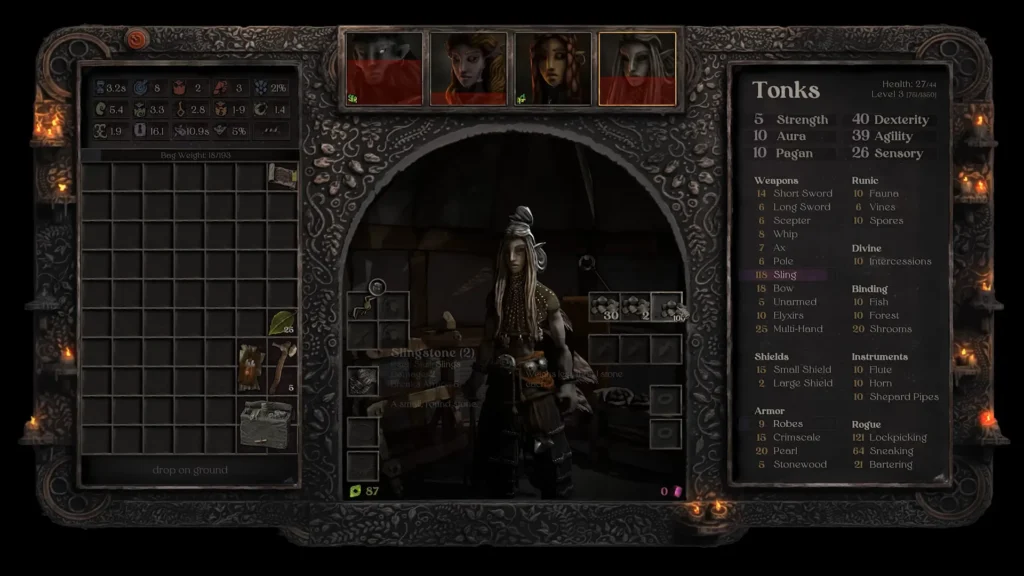
Melee categories include:
| Melee Category | Function |
| Swords | balanced weapons that offer reliable damage and decent attack speed. |
| Axes | heavier weapons that usually deal higher damage but swing slower. |
| Maces and blunt weapons | often used against armored enemies or creatures that resist cutting attacks. |
| Daggers and light blades | faster weapons that allow quick attacks and mobility. |
Ranged Weapons
You probably know what are ranged weapons and what are they doing, So I’ll just talk about essential tips here.
The most common ranged option in this game are bows, which require arrows to use. Fortunately, the game includes a Field Kit system, allowing players to craft arrows while exploring if they have the right materials.
Magical Weapons and Casting Tools
Magic users rely on special items like staves or wands. They act as casting tools for runic or magical abilities. These are tied to the game’s spell crafting system, where characters create spells at special runic trees found in the world.
Magic builds often combine these weapons with Runic or Divine skills. This allows characters to deal damage or support the party through spells.
Instruments as Weapons
One of the more unusual combat tools in the game is musical instruments. Characters who specialize in instruments function similarly to bards.
They don’t deal direct damage, instead they can:
- Buff party members,
- Debuff enemies,
- Support the team during longer fights.
So, these Banquet for fools weapons are supportive too, somehow like magic ones.
Final Tip: Take Your Time
The biggest of Banquet for Fools tips for purely enjoying the game? Don’t rush it. This is what I say and it actually works.
The game is designed in a very traditional RPG style where players are expected to experiment and figure things out naturally. Some systems (combat and techniques for instance) take a few hours before they fully make sense. Be patient and if you like RPGs, this will be one of your favorites.
Steam Page of Banquet for Fools
FAQs
How should I build my party?
Create specialized characters with clear roles. Focus on one strong primary weapon skill per guard.
Can characters change weapons later?
Yes. Any guard can equip and train any weapon (except Yetis). Skills under 60 level up faster.
What is the best way to handle combat?
Pause often, manage positioning, use techniques like Form Up, Dodge and Rally.
Should I dual wield weapons?
Yes. Dual-wielding averages the attack speed of both weapons and affects overall cooldown.
How do I open red-border chests?
Use a high Strength character with a high Breaks Armor weapon and manually attack the chest.
What should I do with bandits?
Knock them out instead of killing, then deliver them for bounty within 24 in game hours.
How do I level skills effectively?
Use your starting skills in combat, rest often, and train weaker skills while they are under level 60.
What magic systems are available?
Runic (spell crafting), Divine (god shrines), Binding (taming) and Instruments (bard buffs/debuffs).

