Phantom Blade Zero vs Onimusha: Can the Wuxia Newcomer Outshine Capcom’s Swordplay Legend?

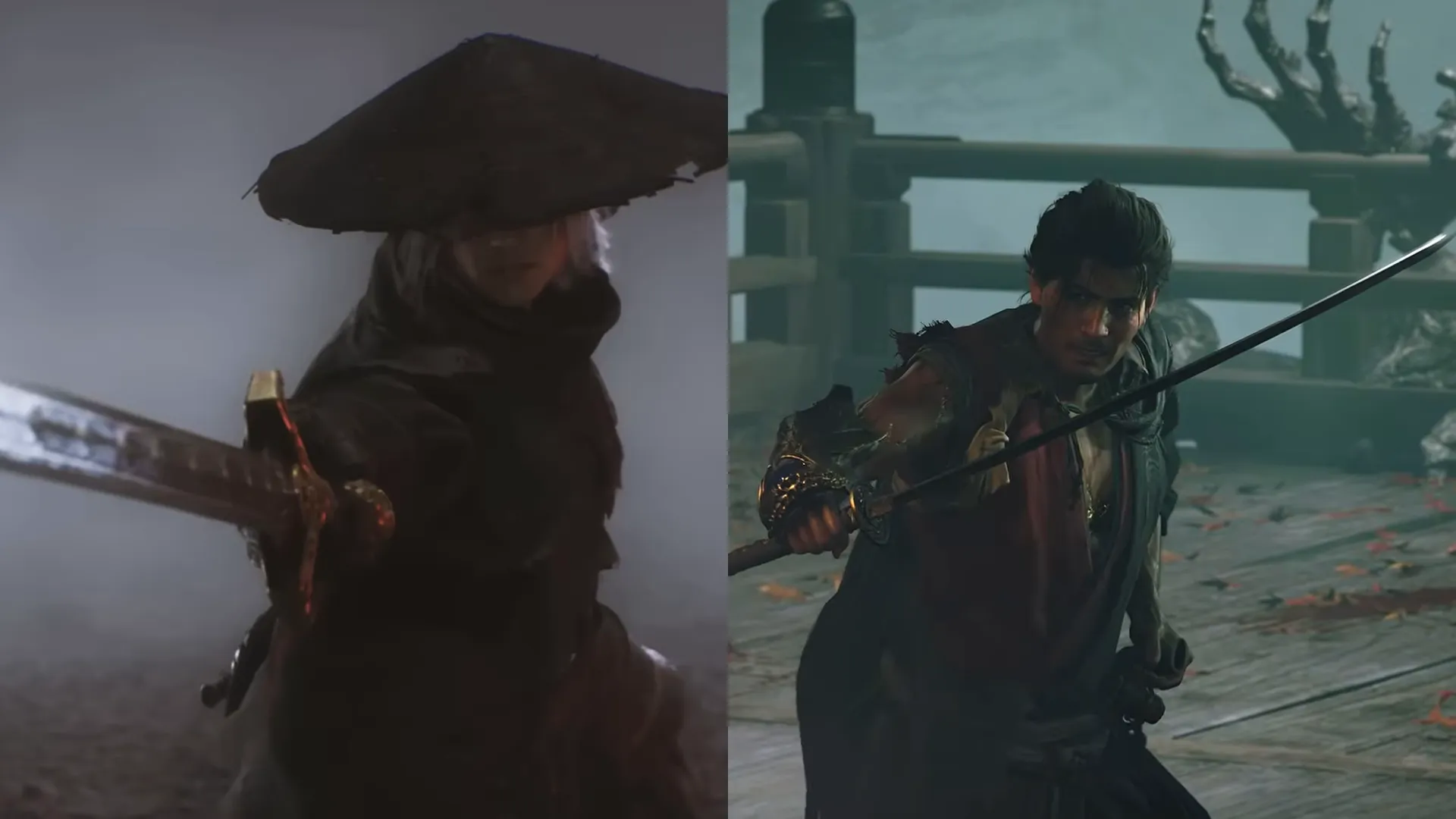


Two titans face each other in the same year. Way before the Soulslike genre became a thing, the Onimusha series set the industry’s standards for high-stakes sword combat. You either made the timed counter perfectly, or you saw the “You Died” screen. Onimusha: Way of the Sword came out twenty years after its previous installment. It pleased old fans and garnered new ones, although some longtime fans wished it offered more offensive variety.
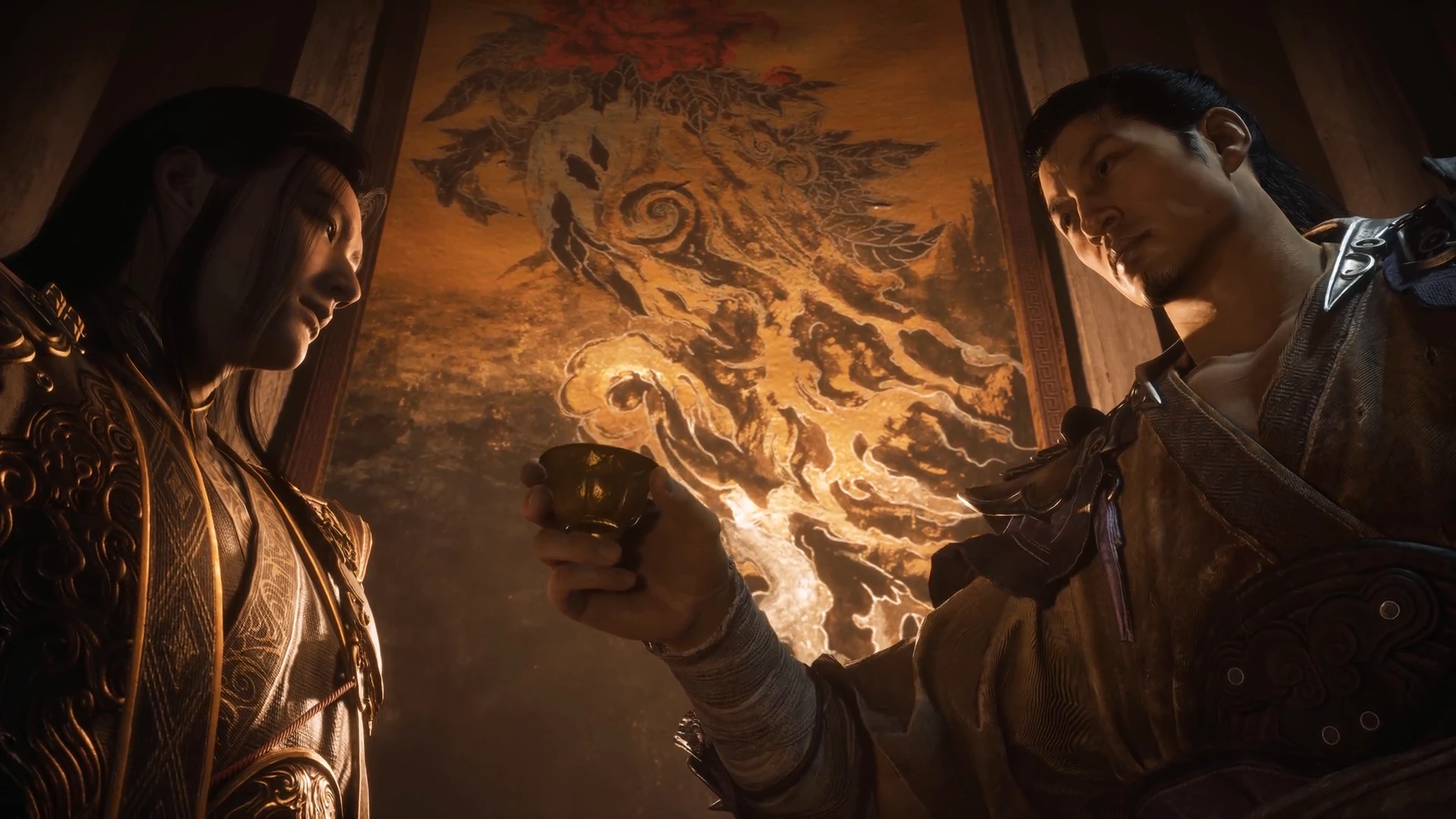
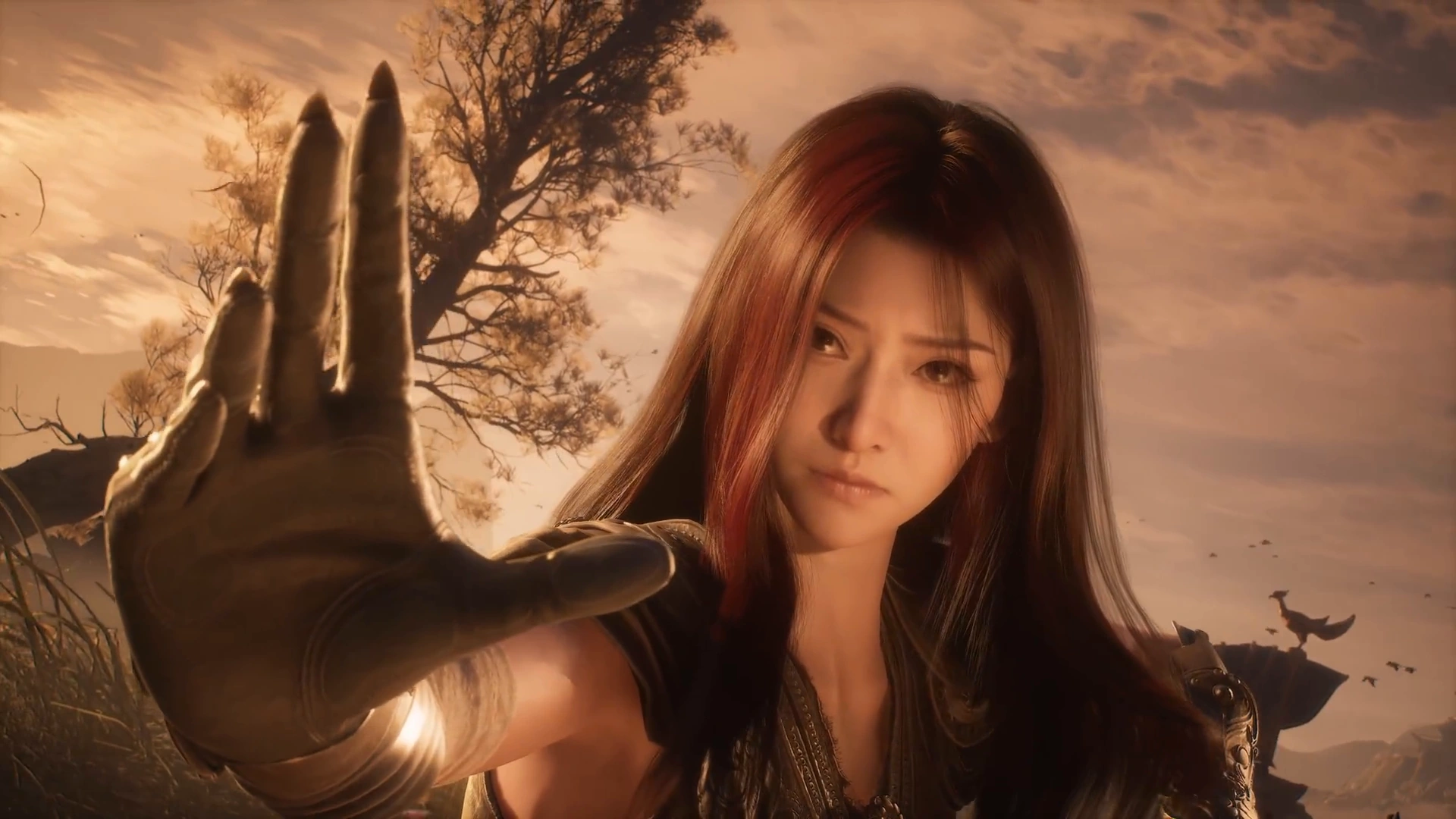
Now there’s a new kid on the block: Phantom Blade Zero. This dark fantasy Wuxia powerhouse is taking the gaming community by storm. It features lightning-fast kung fu combos and cinematic sword duels. Instead of mastering a single katana, you’re encouraged to experiment with an enormous collection of weapons.
The question now remains: Can Phantom Blade Zero challenge Capcom’s legendary swordplay, or is it carving out a completely different path?
Go to:
Phantom Blade Zero vs Onimusha: At a Glance
Whether you’re a Capcom veteran chasing that sweet nostalgia or just an Action-RPG enthusiast looking for your next blade fantasy, here is how these two sword heavyweights compare, and which playstyle belongs in your gaming library.
| Feature | Phantom Blade Zero | Onimusha: Way of the Sword |
|---|---|---|
| Developer | S-GAME | Capcom |
| Combat | Fast Wuxia combos and weapon switching | Deliberate swordplay and precise counters |
| Weapons | 30+ primary weapons and 25 Phantom Edges | Katana-focused combat with Oni Armaments |
| Exploration | Branching areas with hidden routes | Kyoto hub connected to story missions |
| Difficulty | Overall easier; difficulty range: Wayfarer (story) — Pathbreaker (standard) — Hellwalker (hard) — 66 Days (post-game mode) | Overall harder; difficulty range: Story (easier) — Action (harder) — Carnage (post-game challenge) |
| Setting | Chinese wuxia and kungfupunk fantasy | Japanese supernatural samurai fantasy |
| US standard price | $59.99 | $69.99 |
| Playtime | Story alone: 25–33 hours — Full playthrough: 40–45 hours | Story alone: 25–33 hours — Full playthrough: ~40 hours |
Setting: Wuxia Dark Fantasy vs Feudal Japanese Mythology
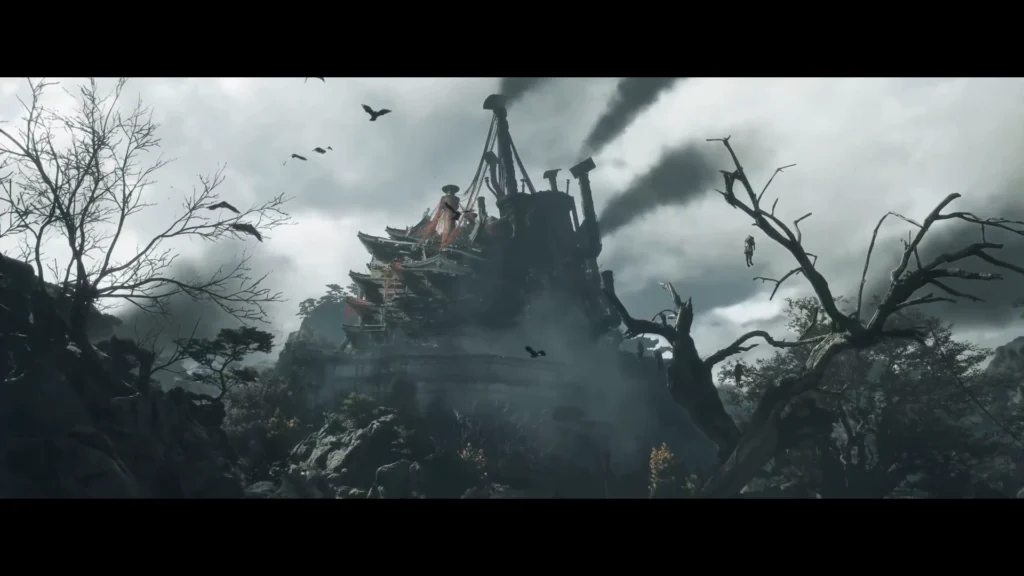
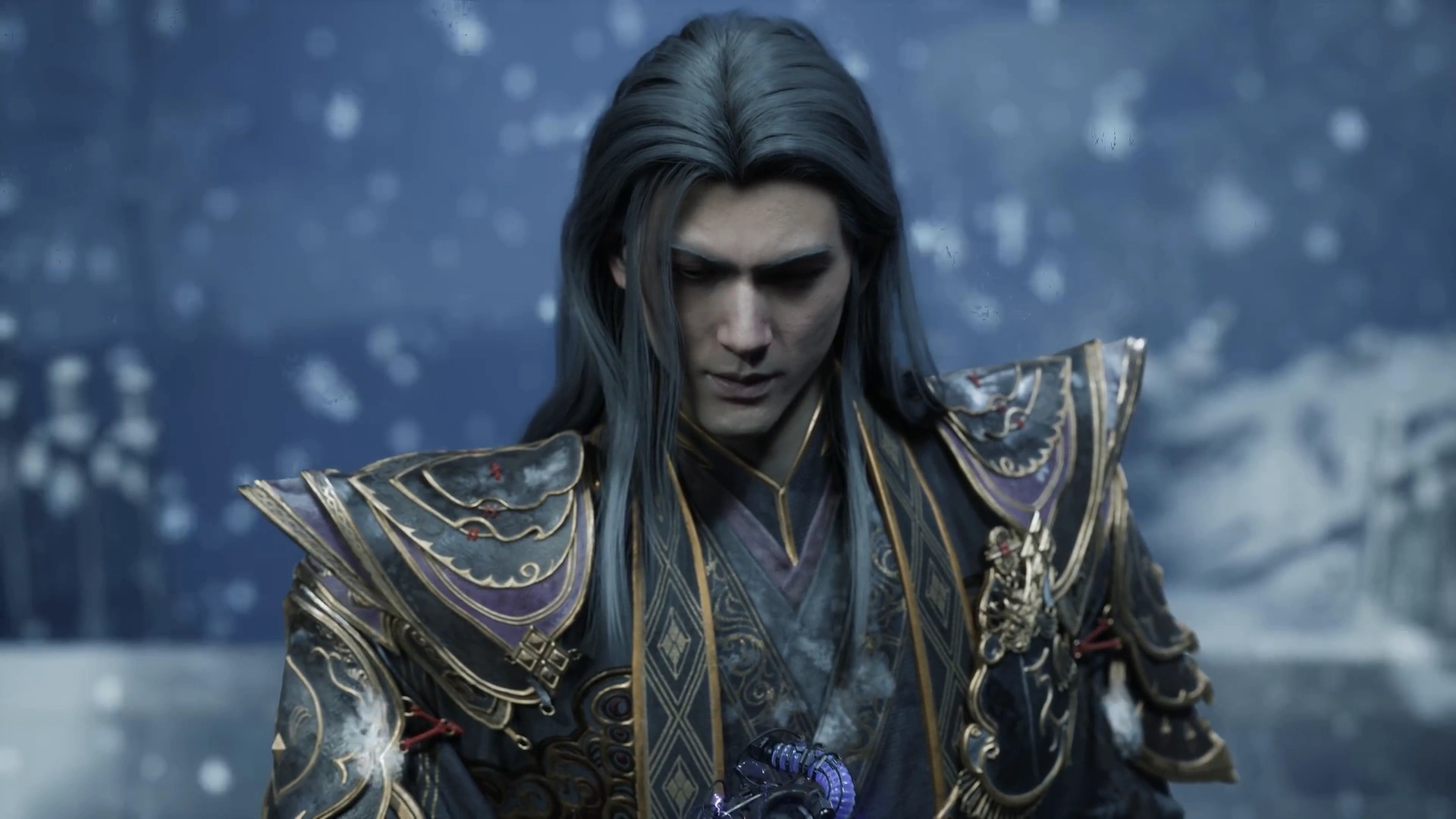
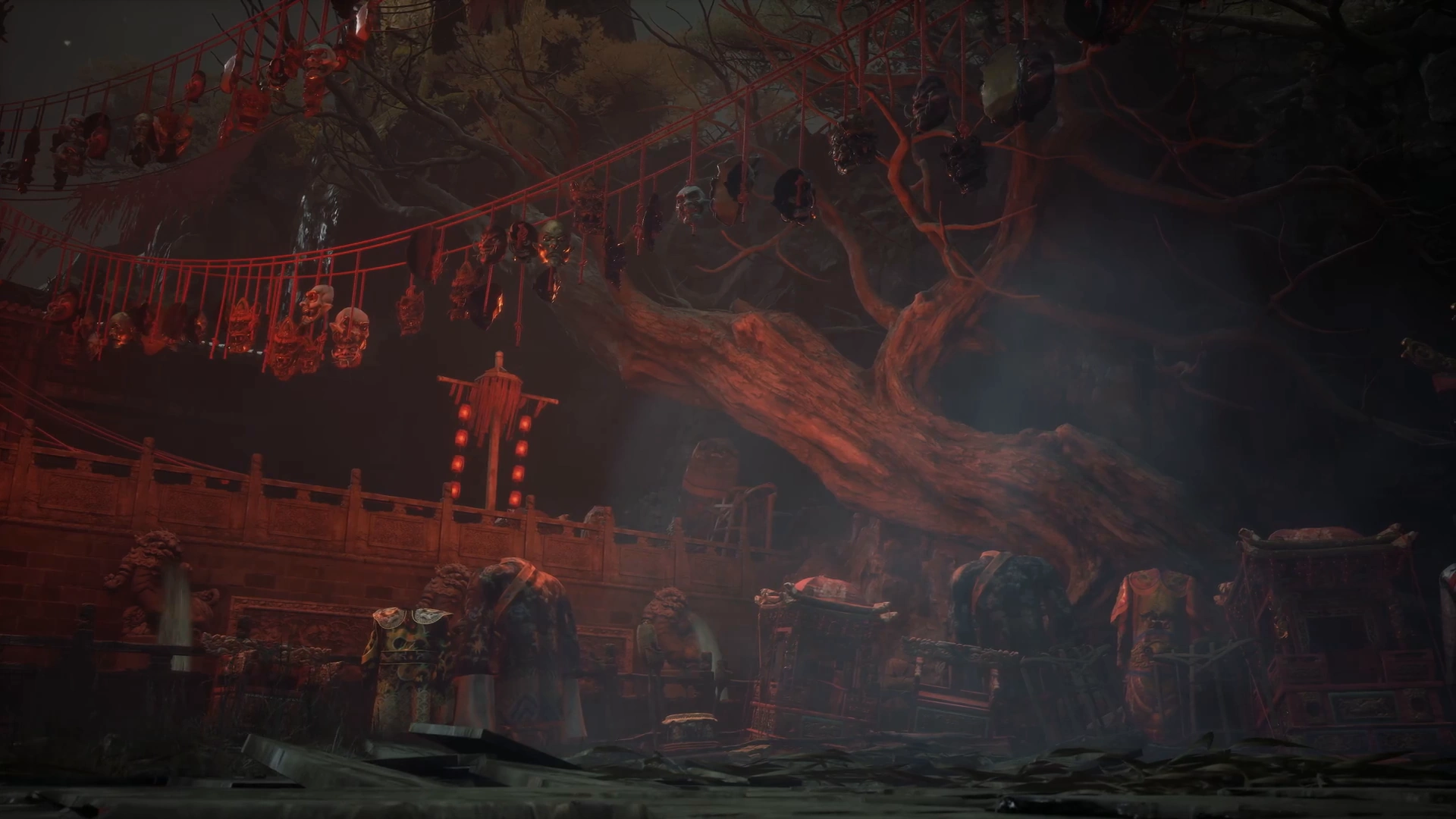
Phantom Blade Zero takes place in Wulin, a dark fantasy world inspired by Chinese wuxia stories where a martial artist hero goes on adventures in ancient China. We play as Soul, an assassin framed for murdering his master. After getting stabbed through the chest in a duel, he receives a blue mechanical heart as replacement. He has only 66 days left to live and must uncover the conspiracy behind this betrayal. The kungfupunk setting of the game combines traditional Chinese martial arts with supernatural horror and very cool steampunk machinery. The setting is unique and the action draws heavily from classic kung fu cinema.
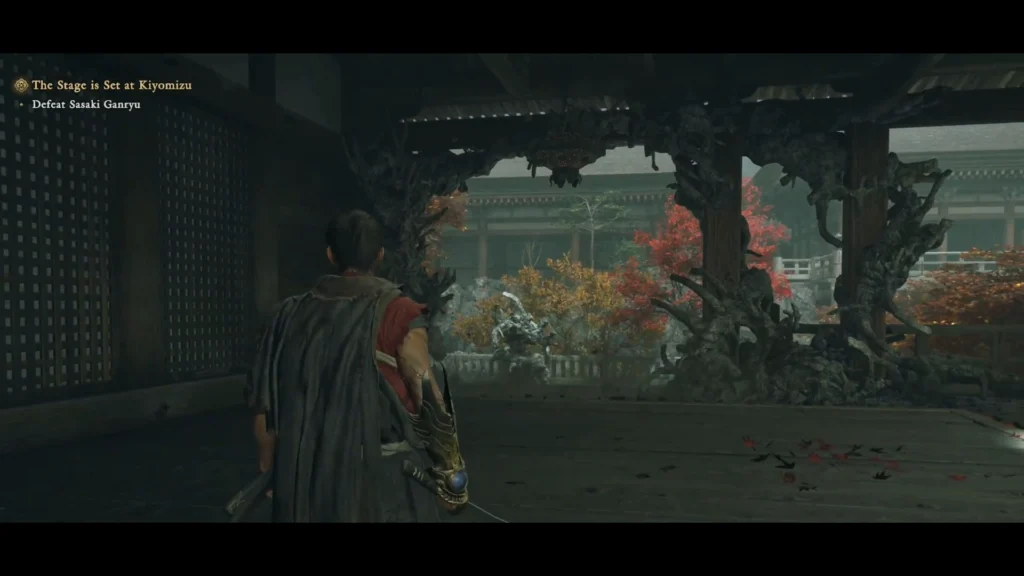
Onimusha: Way of the Sword takes a different approach to dark fantasy. It is set in early Edo-period Kyoto in Japan. We follow the legendary Miyamoto Musashi as he battles the demonic Genma using his iconic sword “No Name” and a mysterious Oni Gauntlet that has a blue core. This game offers a supernatural samurai adventure mixed with dark folklore elements and Silent Hill-esque body horror. You don’t need to play the previous Onimusha games to understand its story.
Combat Mechanics: Kung Fu Combos vs Precise Swordplay
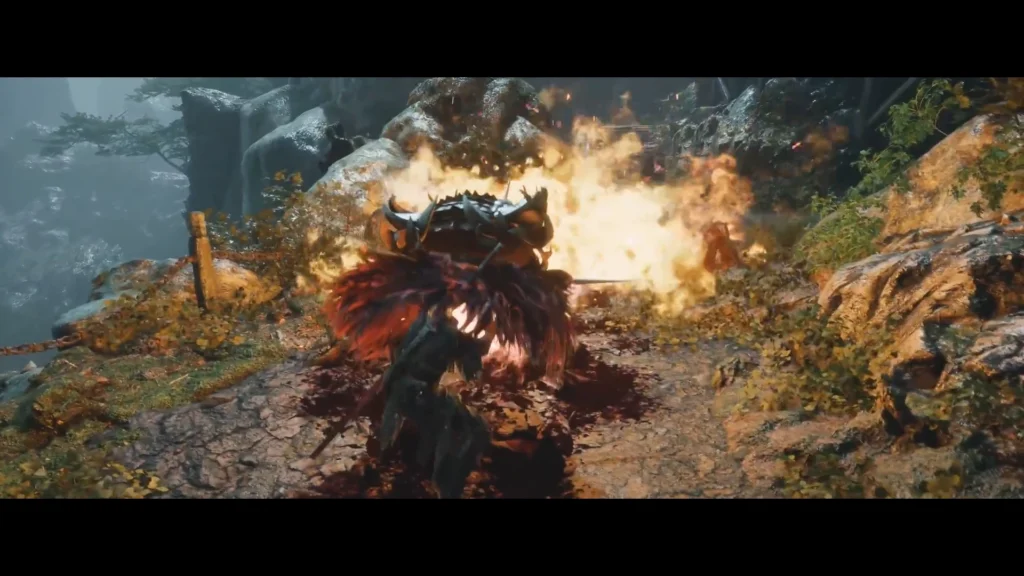
Combat is perhaps the biggest divider between the games. Let’s go through each game’s combat system:
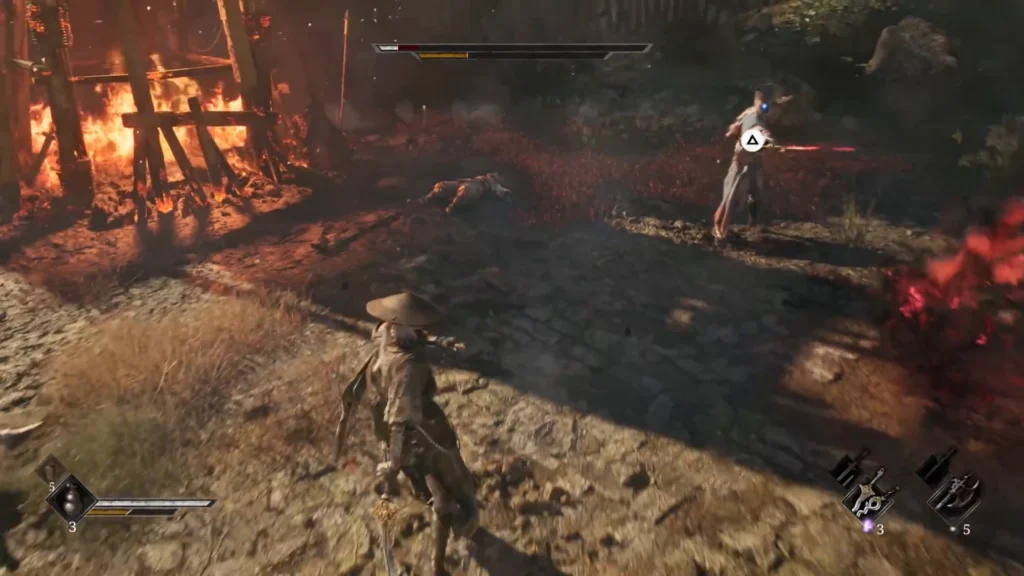
In Phantom Blade Zero, you’ll be seeing fight moves straight from wuxia movies. The best thing I liked about this game’s combat was that I didn’t have to wait for every animation to finish. Attacks register smoothly one after another, and I could interrupt many regular attack animations to block or parry an incoming strike. It’s the Sha-Chi system that makes this aggressive playstyle possible. You can also equip two main weapons and switch between them, even mid combat. Swapping weapons restores your Sha-Chi. Special Power Surge attacks are more committed, however, so this is the part where timing still matters.
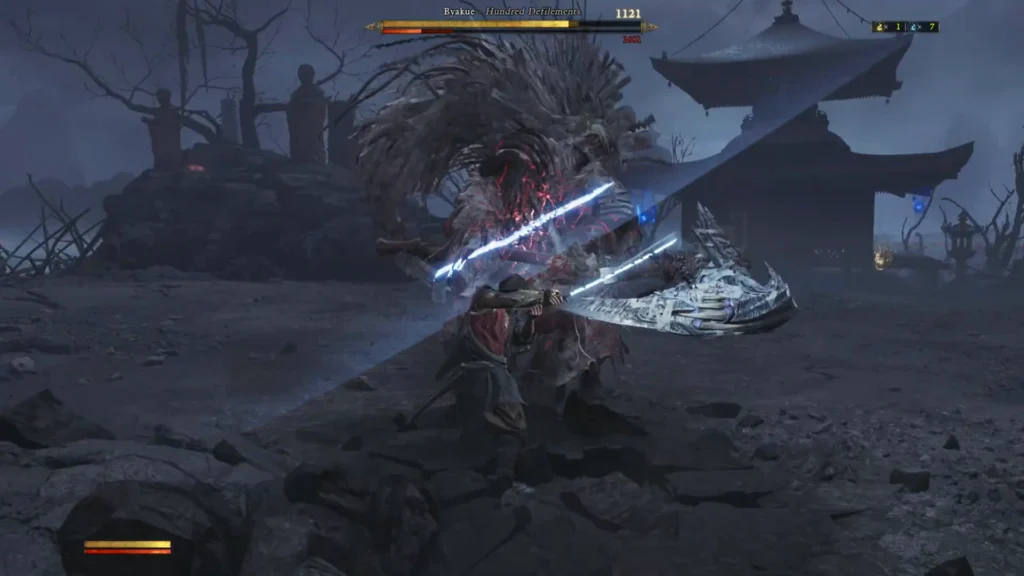
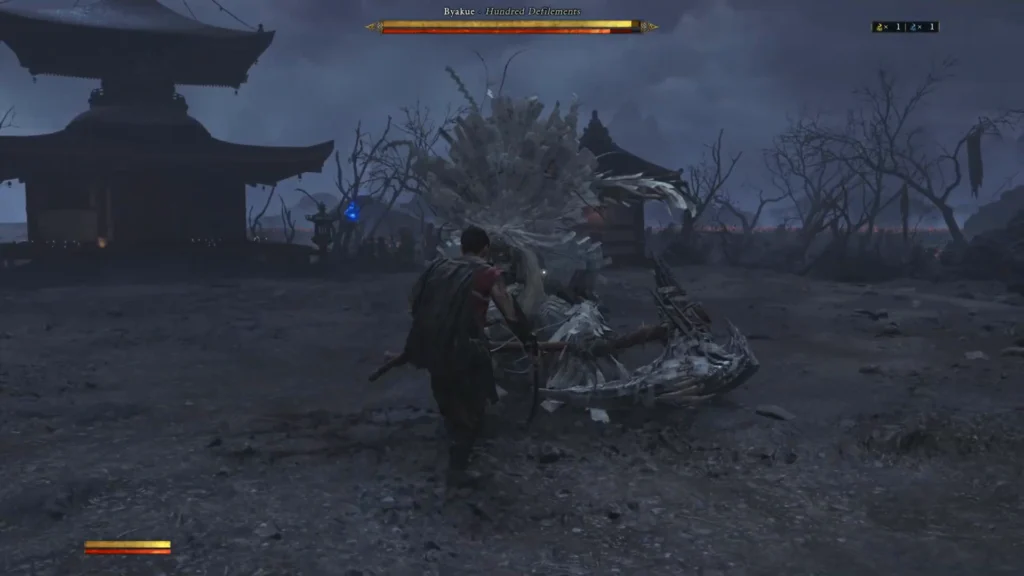
In Onimusha: Way of the Sword, the combat is much more difficult, and just as much rewarding. Sure, the combat might seem slower and not as action-packed as Phantom Blade Zero, but it rewards your patience and accuracy instead. Parrying is much more major element here. For example, riiiight before an enemy hits you, you can hit them to pull the signature Issen counterattack. Musashi also has Reflex Dodges and supernatural attacks powered by his Oni Gauntlet.
If you enjoy aggressive and fast-paced combat, Phantom Blade Zero is more appealing to you. If perfectly timed counters are what make a fight satisfying for you, go for Onimusha instead.
Difficulty: Parry Systems Compared
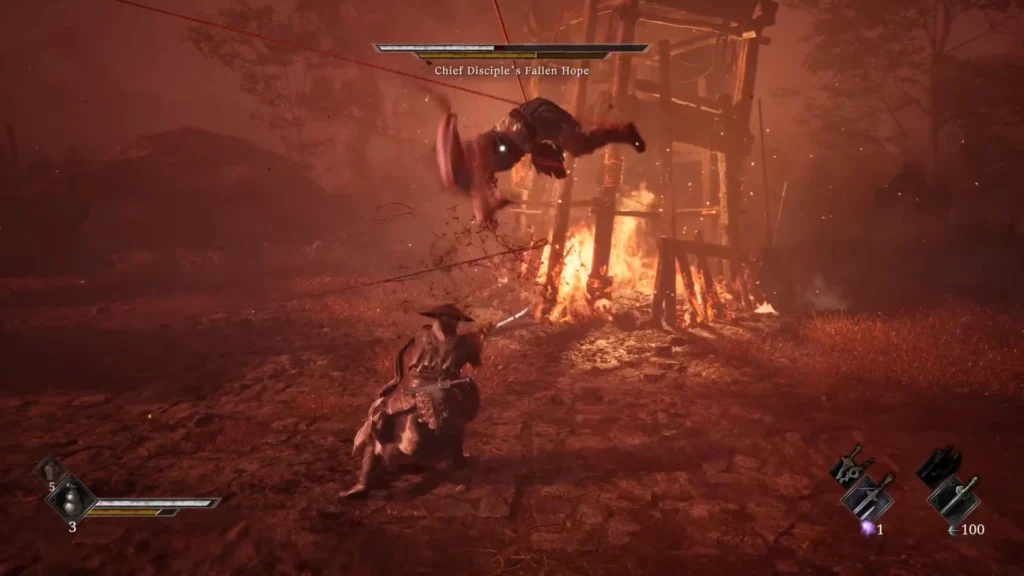
Yeah, they both have difficult bosses, but the games aren’t anything like traditional Soulslikes.
Phantom Blade Zero offers Wayfarer for a more approachable experience, Pathbreaker for a balanced challenge, and Hellwalker for tougher enemies with more adaptive behavior. Its parry system is what’s really important. I found it to be particularly important against bosses. If you see a bright blue flash, know that you can parry it. A precisely timed parry, that is. If the attack has a red flash, though, you got to pull a perfect dodge.
Unlike Dark Souls games, you don’t lose any resources when you die. Also, regular enemies usually don’t respawn after being killed once. The best leeway it gives is the fact that you can save your progress between boss phases, meaning you won’t have to repeat an earlier phase after every defeat. But if you want something harsher, unlock the 66 Days mode. It limits the number of deaths you can suffer.
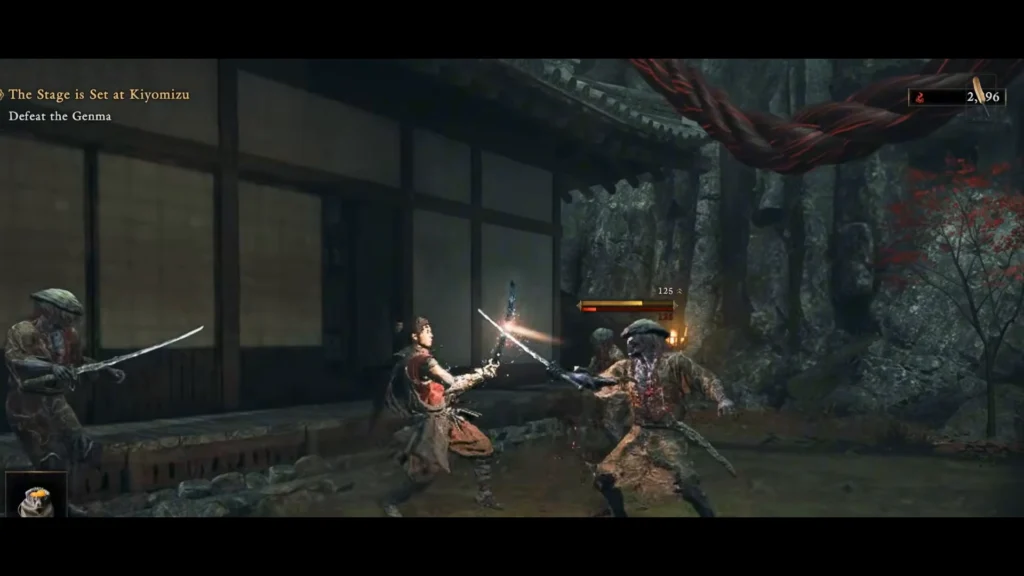
Onimusha initially offers Story and Action difficulties. Then you can unlock Carnage mode after completing the game. Its defensive system has several layers. You can block, parry, deflect, or Break Issen. A standard Parry interrupts incoming attacks and you can do it by pressing block just as an attack is about to land. While Deflect deals greater stamina damage and can eventually open enemies up to a Break Issen if you deplete all their stamina. To Deflect, you do this move where hold block and press attack right before the impact.
So, which game is harder? Honestly, neither has a clear advantage here. Phantom Blade Zero challenges your reflexes by measuring your reaction time, while Onimusha asks you to master tighter counterattack windows. However, Phantom Blade Zero’s boss-phase checkpoints make retries or reruns much more forgiving.
Platforms, Expected Playtime, and Practical Value
In terms of valuable playtime, Phantom Blade Zero wins by a large margin. That’s because a simple story-focused playthrough will take approximately 25–30 hours. But there’s even more content; discovering all the 8 total endings, pursuing the optional endgame zones for the Perfect Ending, AND getting additional equipment can extend the playtime to around 40–45 hours.
On the other hand, Onimusha: Way of the Sword’s main story takes roughly 20 hours, with optional activities extending an average playthrough to around 25–33 hours, even 40 hours if you want to 100% the game.
Interestingly, Phantom Blade Zero ($59.99) comes with a slightly cheaper price than Onimusha: Way of the Sword ($69.99). Overall, for the price and playtime each game offers, Phantom Blade Zero is the winner of the two.
Which Blade Fantasy Belongs in Your Game Library?
In my experience, Phantom Blade Zero is made for those of you who enjoy faster combat or martial arts. You will also dig the atmosphere if you’re into Chinese wuxia vibes. It also has much more to offer when it comes to exploration, granting the player way more freedom to go around and discover new areas. Onimusha is for are patient gamers; those who especially enjoy attacking and parrying with perfect timing. The swordplay in both games are different, but have the same level of quality.
In terms of story, both games offer the same emotional depth, though, Onimusha is clearly more character-driven and Phantom Blade Zero instead offers narrative choices (based on side quests) and a bit more complex plotline. I also liked Phantom Blade Zero’s lore and worldbuilding more; the steampunk and ancient China mix was definitely unique to me.
And if I were on a budget, I’d pick Phantom Blade Zero. More content for a slightly cheaper price. Although I suggest try getting either game on sale.
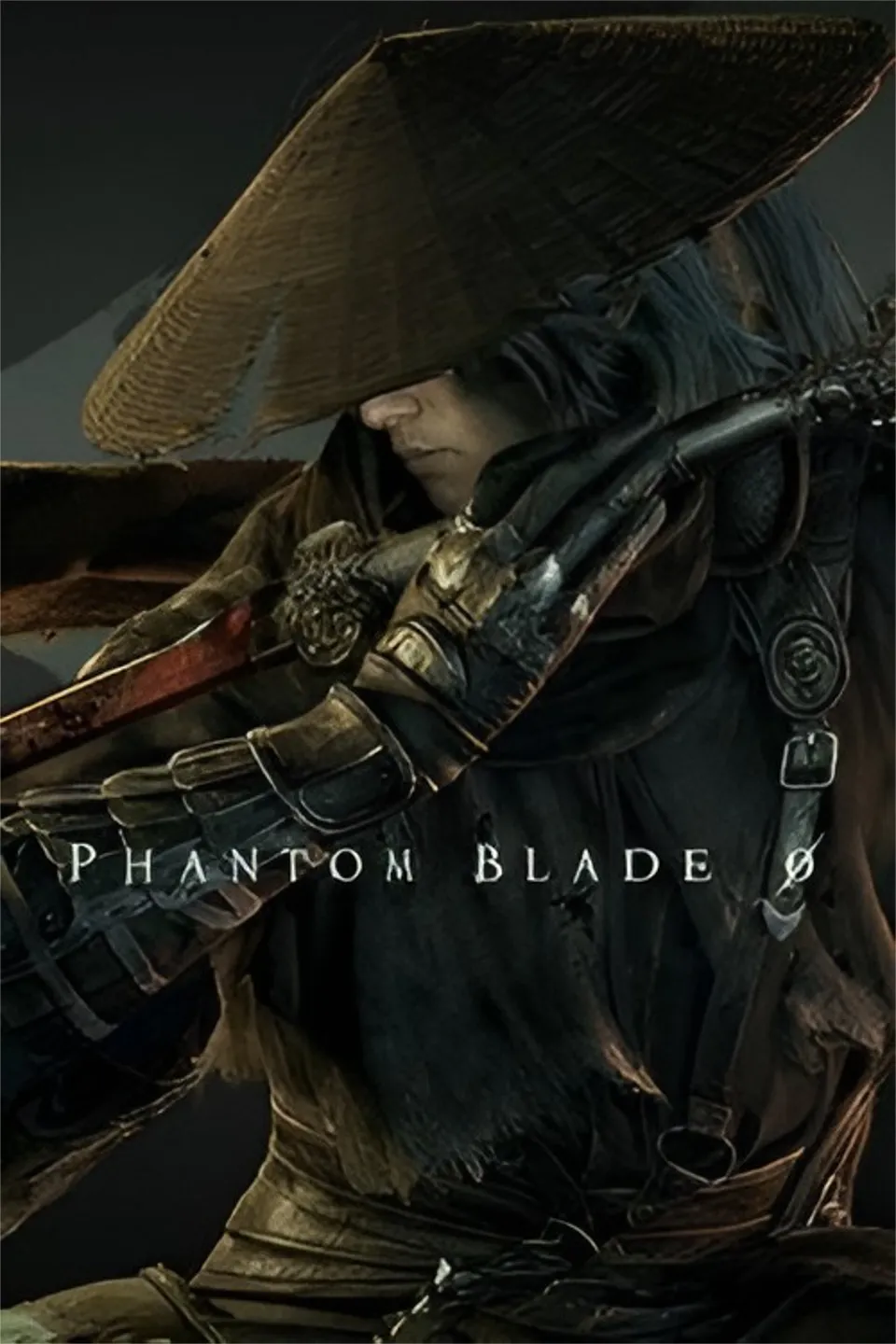
Phantom Blade Zero