

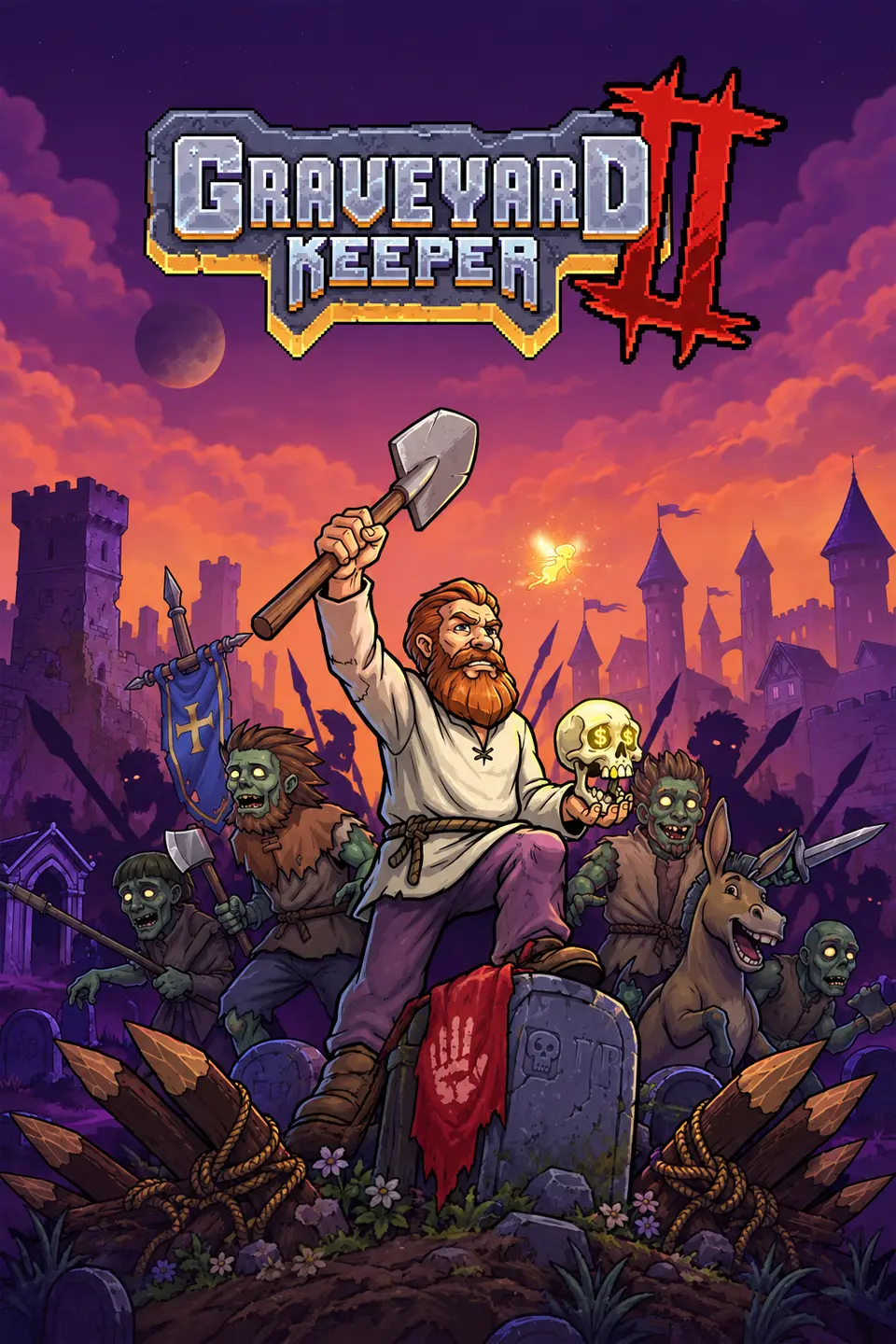
Zombies are back in Graveyard Keeper 2, and they’re doing far more than they did in the first game’s Breaking Dead DLC. Now you can expect them to run conveyor belt assembly lines or fight as part of the undead army.
In this guide, I have specifically provided all the useful data and tips you need to know about the Lazy Bear Games’ zombies of Graveyard Keeper 2. Keep reading to understand the importance of red and white skull corpses or how zombie automation and perks fit together and more.
What Do Zombies Do in Graveyard Keeper 2?
The setup this time is that the Keeper got split into two people. One became the original game’s protagonist. The other got blamed for the zombie apocalypse that followed and spent years locked up by the Inquisition, until a fairy busted him and handed him the job of cleaning up his counterpart’s mess.
So you’re playing a Graveyard Keeper and a part-time Inquisitor at the same time, in a town that’s genuinely overrun.
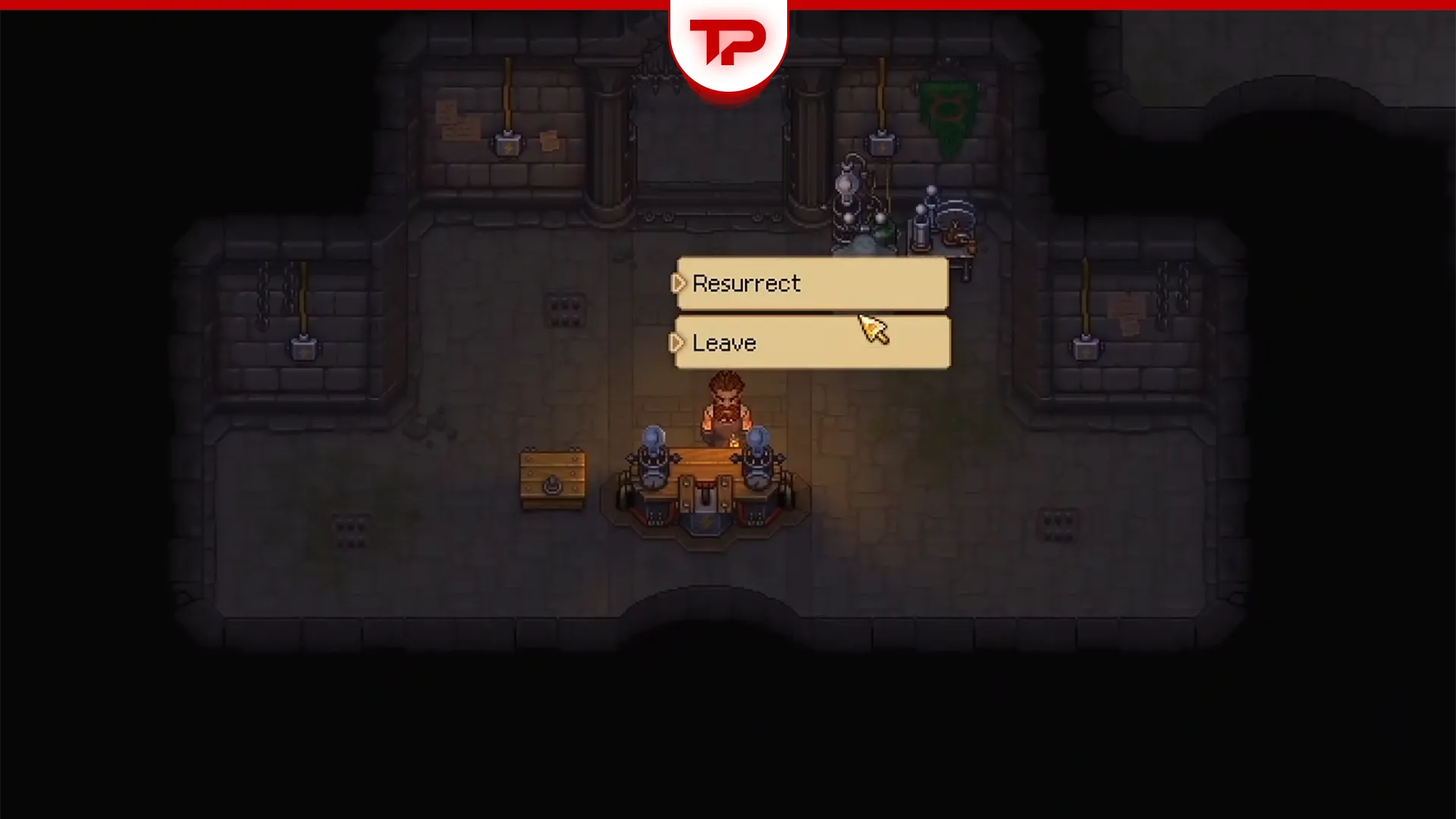
That’s where the zombies come in. Twice. You’ll resurrect them as workers to handle crafting and gathering so you’re not doing everything by hand. You’ll also lean on them as your fighting force when it’s time to push the hostile undead out of parts of town. Same basic idea as the first game’s zombie labor system, just built out into something much bigger.
Red Skull vs. White Skull: How Zombie Quality Works
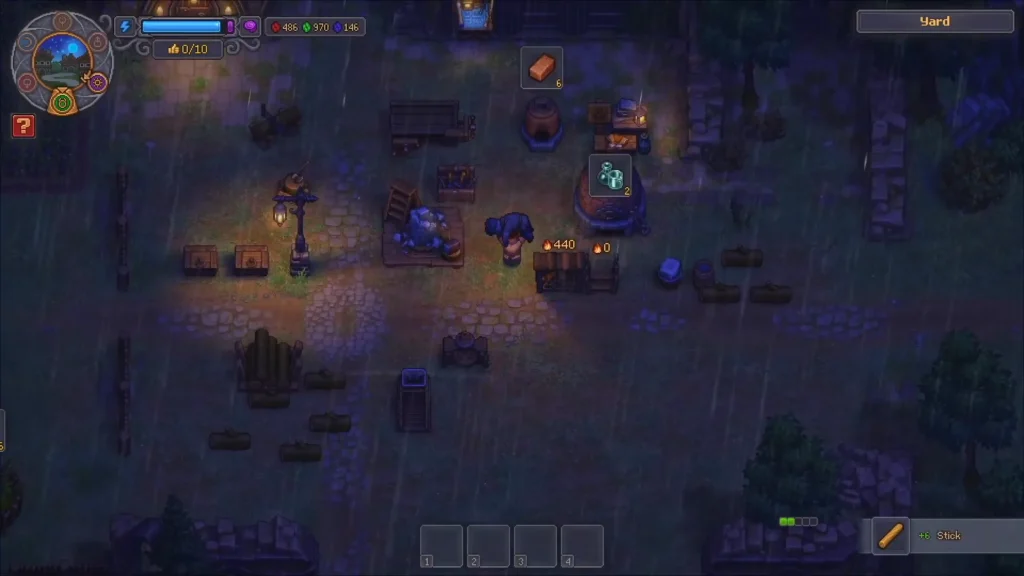
A red skull level and white skull level are the numbers of every corpse you work with, they cancel each other out into a single net level. A corpse with 3 white skulls and 2 red skulls nets out to 1 white skull. Pulling organs and parts off a body shifts those numbers and you can add things back in later for the same purpose.
For burial, you want a high net white level, since that’s what boosts your graveyard’s overall condition once the grave has a marker on it. But for a zombie, it’s the red number that actually matters. The red skull level of the corpse you resurrect sets the cap on how many perks that zombie can ever earn. So a corpse that makes a great burial doesn’t necessarily make a great zombie, and vice versa.
Decide which pile a body is headed for before you start stripping it down. Once you know you want a productive zombie out of one, it’s worth keeping a couple of high-red-skull corpses in reserve specifically for that, rather than resurrecting whatever’s on hand and hoping for the best.
How to Create and Automate Zombie Workflows
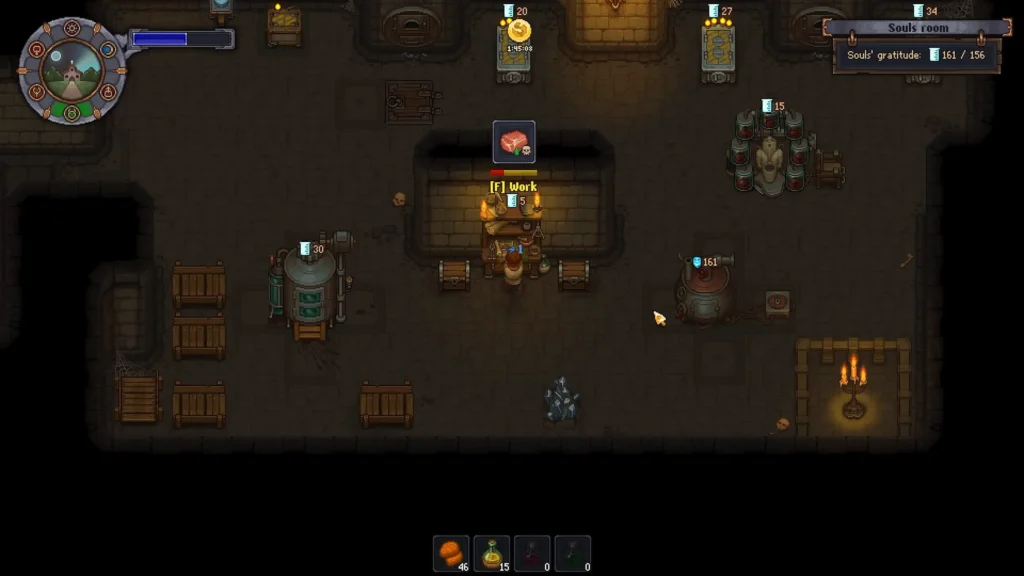
The biggest change from the first game is machines and conveyor belts. Instead of parking a zombie at one fixed station and leaving it there, you can build out full assembly lines and let zombies run the whole process from raw material to finished product.
It’s worth getting a basic line running early, even a rough one, since it frees you up for quests and combat instead of manually working every station yourself. When you’re deciding what to automate first, build around whatever material is actually bottlenecking you rather than whatever looks the most fun to set up, the boring win now beats the exciting one later.
Each zombie can hold one tool at a time, and it earns tech points from doing its job, the same way you do. The difference is that instead of feeding your tech tree, a zombie’s point go toward its own perks. That means a zombie you’ve had running a lumber line for hours is meaningfully better at that specific job than one fresh one off the table.
So it’s worth treating your zombies as individuals rather than interchangeable labor once they’ve put real time in. I learned this the hard way after wasting a good corpse on a zombie that couldn’t scale.
How Zombie Perks Work in Graveyard Keeper 2
Perks work per zombie, not globally. Every zombie earns its own tech points from the tasks you assign it, and those points go into perks that are unique to that specific zombie. It’s not a shared pool or something that carries over if you swap it to a different job.
The catch is the cap from the section above, however many perks a zombie can hold are limited by the red skull level of the corpse it came from. So if you’re planning to invest heavily in one zombie over a long production run, that’s exactly the kind of job worth pulling a reserved high-red-skull corpse for.
Zombies and the Undead Army
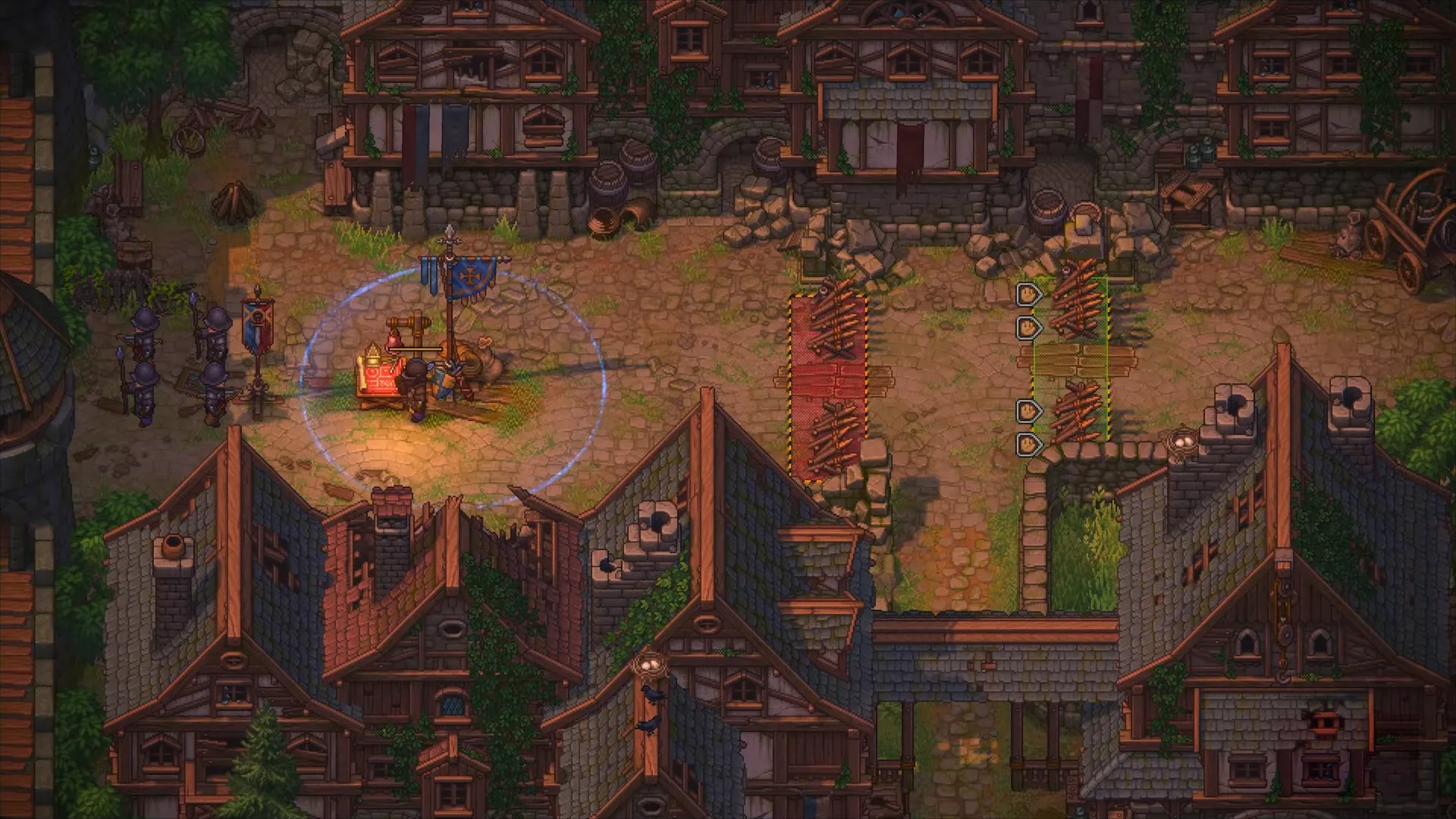
Town liberation runs on combat and it’s built around your zombie forces as much as automation is. Battles play out as checkpoint captures. First you need to command your squads by moving their flags to clear and hold zones against the town’s hostile zombies, then you have to win all the checkpoints before time runs out to unlock new parts of town.
I advise you to put up barricades and archer towers ahead of time to protect your own ground and craft armor and weapons specifically to gear your forces up before a fight.
I don’t believe Graveyard Keeper 2 is a traditional game where you’re swinging a sword nonstop, instead you’re managing squads and territory more than button mashing. This fits the rest of the game’s management-ism identity better than a straight combat system would.
Graveyard Keeper 2