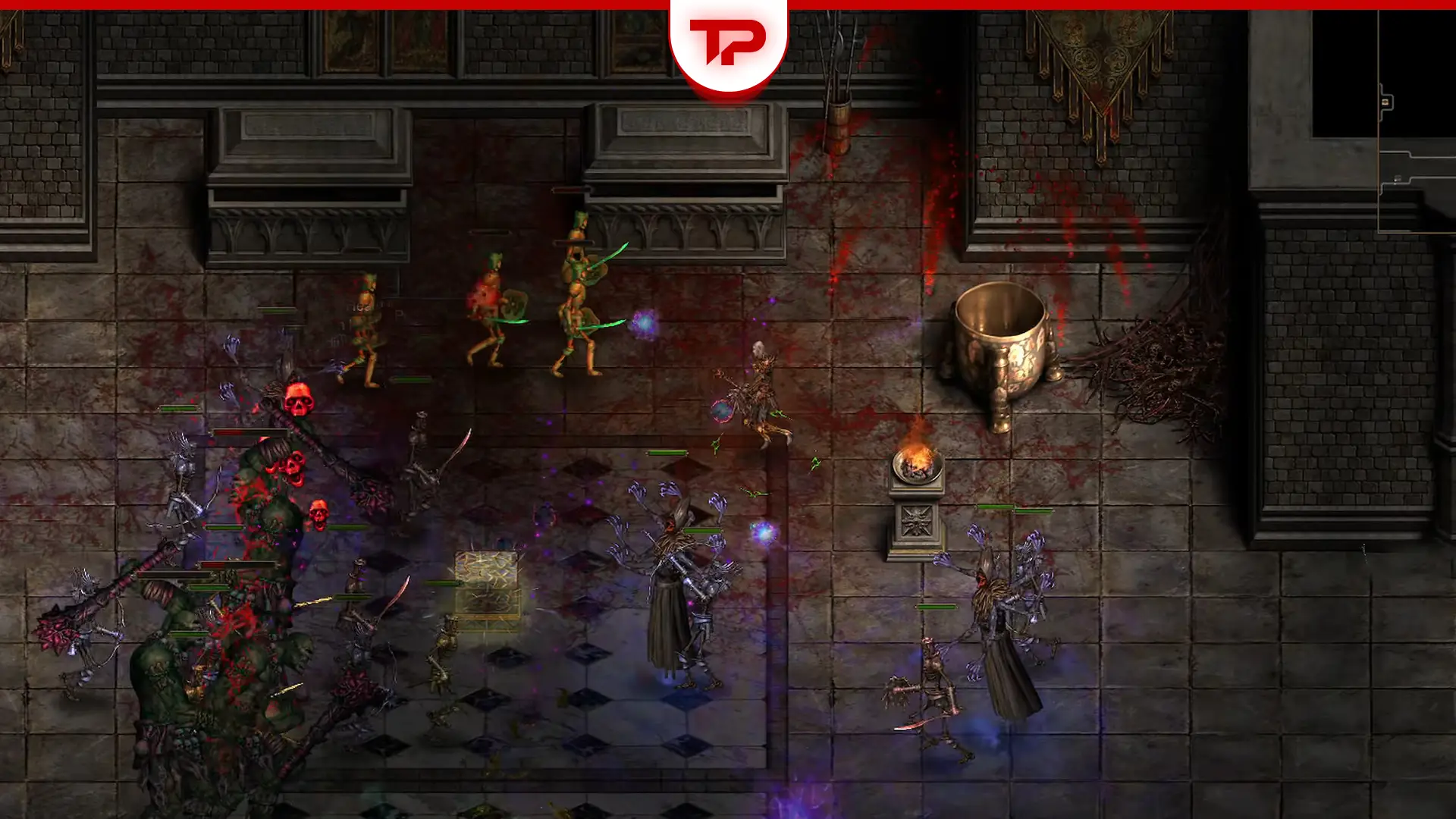


Shadow Dungeon launched on August 26, 2026 thanks to solo developer OO Cat. It’s a pure loot-driven action RPG with a strong retro Diablo 2 feel, no microtransactions and no seasonal resets.
You get 7 chapters, over 160 maps, 60+ bosses, 200+ monsters, 12 talent trees, 370+ skills and more than 100 million semi-randomly generated items. That’s a lot I know, but it’s lovely in an RPG title.
This guide is written for brand-new players. I tried to cover everything you may need for a smoother run and having more fun!
Your Guide:
Best Class for Beginners
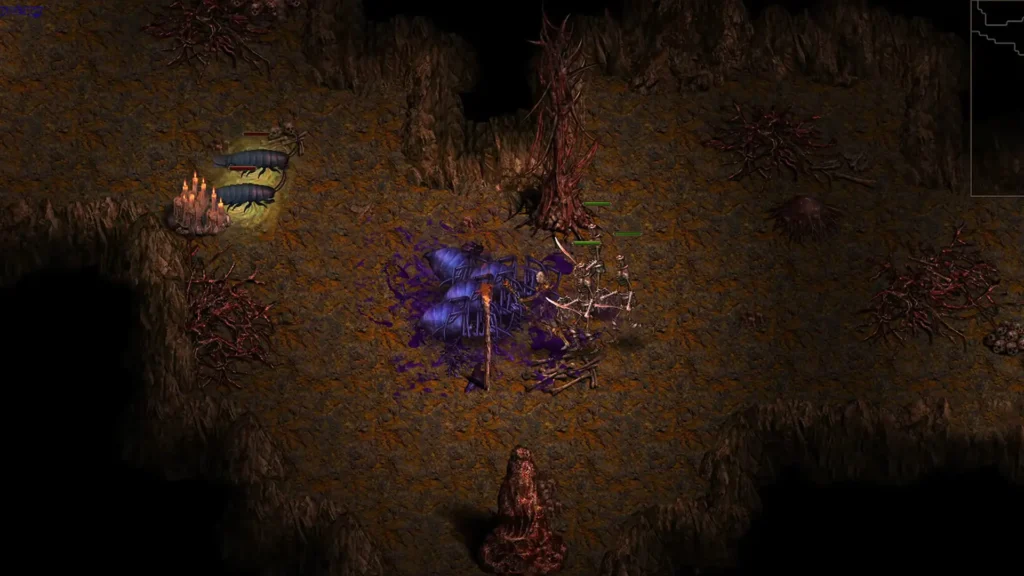
I’d say that you should prioritize Necromancer. It’s currently the strongest and most fun choice for most new players. Apart from everything, I personally love to see those soldiers follow me and fight for me, it gives a sense of power.
Want other suggestions?
Mage is another one. Excellent clear speed and flashy spell chaining. Paladin can be the other choice (the last one!). Tanky, simple and reliable if you prefer walking into packs.
Quick Pros & Cons of Each
Comparison always helps in deciding, and I’m here for what? Yes, to help!
- Necromancer: Strong soldiers that tank and kill, fight for Necromancer. It also has high skill-chaining potential. Slightly more to manage at the start.
- Mage: Big area damage and satisfying spell interactions. Can feel squishy early.
- Paladin: Straightforward dual-blade combat and good survivability. Less explosive skill interactions early on.
Necromancer, with the combination of summons and skill triggers creates the most satisfying power fantasy right now. Your army does a lot of the work while the skill-chaining systems start firing off, which makes the early game more forgiving and more fun.
You get free damage dealers and tanks in the form of skeletons and demons. This lowers the pressure while you learn the systems, movement and loot. Once the synergies kick in, clear speed becomes very strong.
Talent Trees and Early Priority
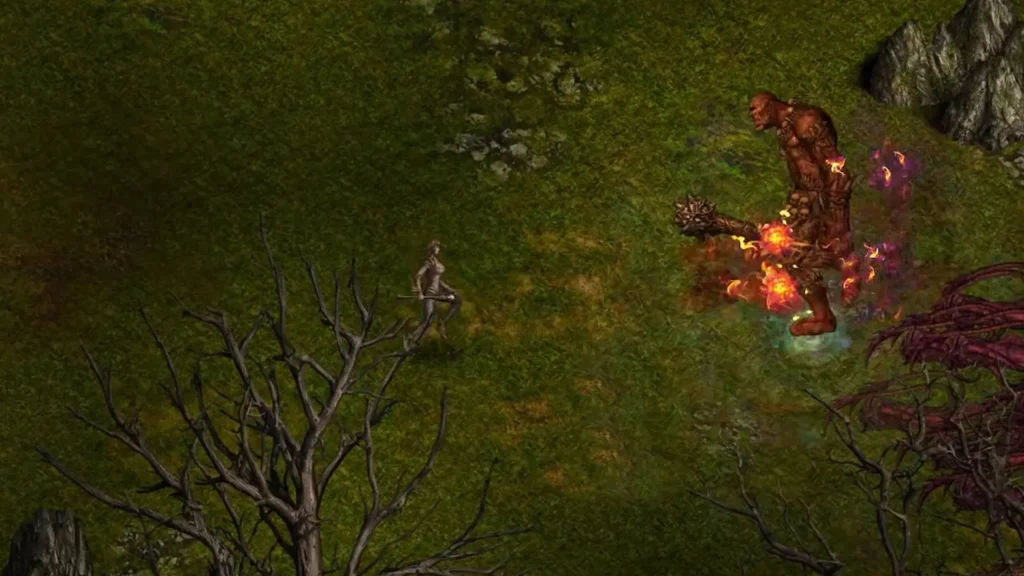
Each class has three main talent trees (12 total across all classes). There is also a Paragon Talent Tree that unlocks after you hit the level cap of 100.
For a smooth starter experience with Necromancer, focus on:
- The summon-focused tree (minion power and quantity)
- The tree that improves skill triggers on-hit or on-kill effects
- A defensive or utility tree for survivability
Simple Skill Priority (Necromancer Sample)
First points go into your basic demon summon. Immediately grab any nodes that make your soldiers stronger or give them extra effects.
Next priority? Anything that gives a chance to trigger additional skills when you or your soldiers hit or kill enemies. Keep one mobility or defensive skill for safety.
You don’t need a perfectly optimized tree on day one. Lean hard into summons and trigger effects. That combination is where the fun currently lives.
Core skill chaining
A big part of what makes the game feel good is the way equipment and talents can make skills trigger other skills.
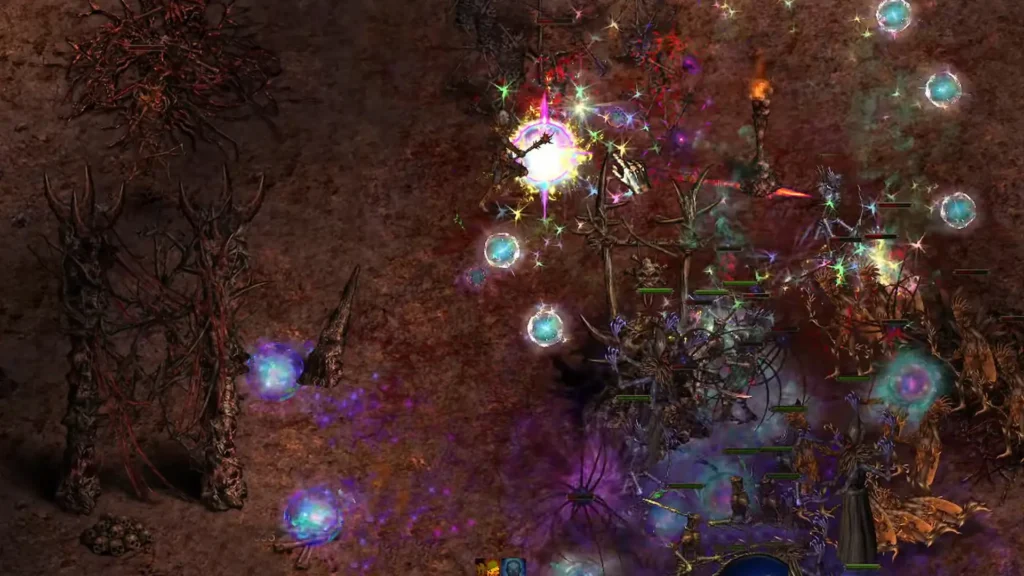
On Necromancer this happens constantly because your minions are always hitting things. One skill leads to another, which leads to another and packs start disappearing in chain reactions. It feels like running a little orchestra of death.
Anything that boosts minion damage or minion survivability should be on early gear priority. After that, prioritize life and resistances and movement speed.
Loot drops constantly. If an item doesn’t help your minions or your triggers, it’s usually safe to vendor or stash for later. The game also has reforging, enchanting and enhancement systems, plus 17 Blessing Shrines and permanent elixirs, so keep an eye out for those.
How the build evolves later
Skill points are unlimited in late-game progression. This is what makes hybrid builds viable. Once you hit the level cap (around the end of the main story) you also unlock the Paragon Talent Tree for further attribute investment. The foundation you build early still works, you just get to stack more layers of synergy on top of it.
Simple leveling path
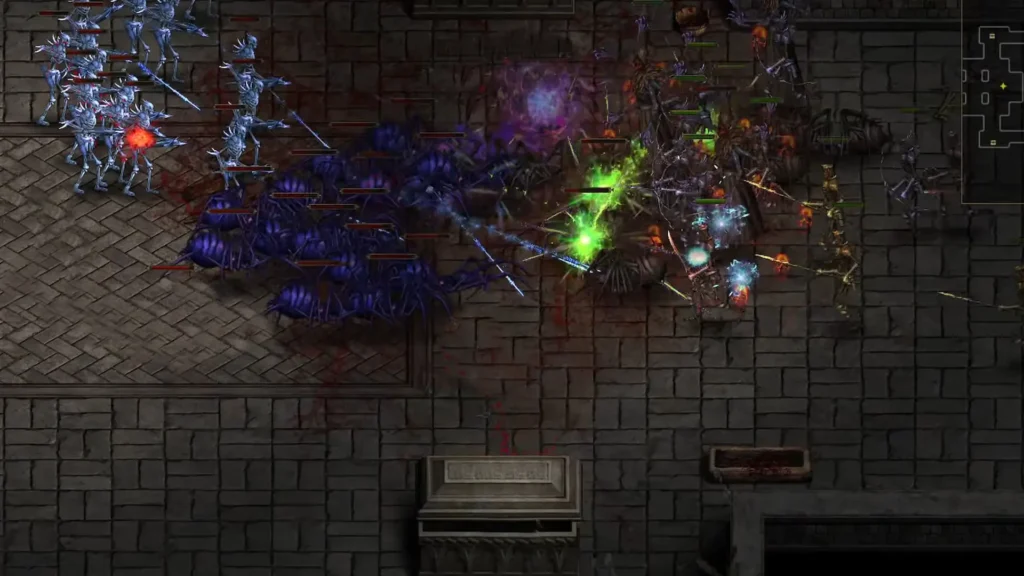
Follow the main story chapters. The game is fairly linear. Always have your minions up before big packs.
Let the army do most of the work while you focus on positioning and triggering extra skills. Grab every Blessing Shrine and permanent elixir you find.
The story is balanced so players reach level 99–100 as they finish it. After that, Greater Rifts unlock (Normal / Master / Nightmare / Inferno difficulties). Mystic Dungeon Challenges are also available in the game.
Some Tips for All Classes
Here are the remaining tips that I think will help you a lot during the first runs.
As I said, the main story is the clear path. Don’t overthink side content at the start. Use town portals and teleport points freely. Also note that auto-attack exists and is useful while you’re still learning the hotbar.
And about the loot management: Inventory fills up fast so expand your stash whenever possible (don’t worry, the game has a very large storage system).
Early on, prioritize clear offensive power and survivability. Vendor the rest. Oh, and the good news is that everything you find is permanent. There are no seasonal resets or item nerfs.
Common beginner mistakes
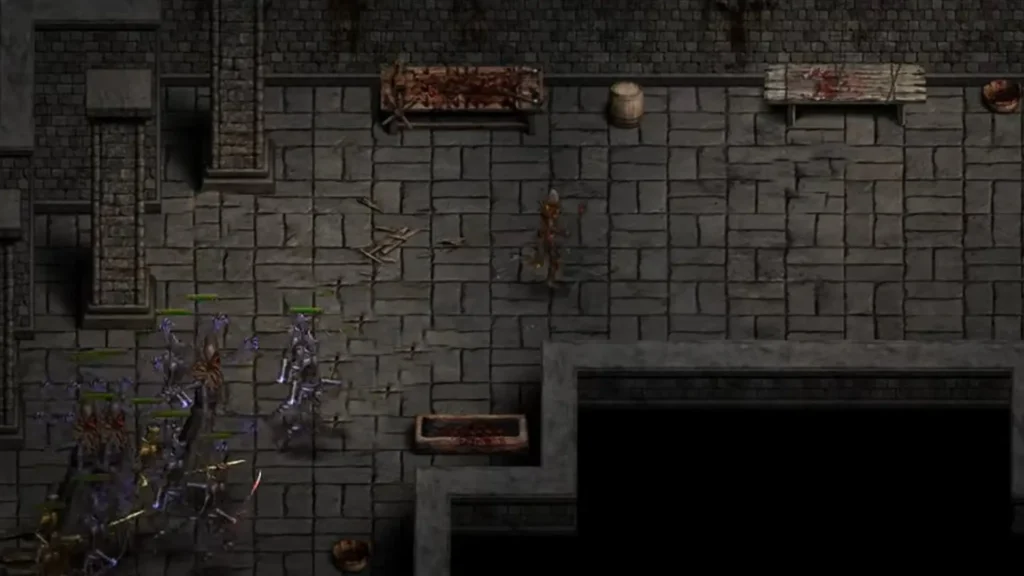
I know what the most common beginner mistakes are, because I was one just about two weeks ago:
- Ignoring minions (on Necromancer) or basic defenses on other classes.
- Hoarding every item just in case. Sell the junk.
- Trying to min-max too hard in the first few hours. Experimentation is rewarded.
- Forgetting that late-game systems (unlimited skill points and Paragon) exist. Early choices are not a permanent prison.
What I Said
If you’re starting Shadow Dungeon today, roll a Necromancer. It’s currently the most fun and strongest option for new players.
Follow the simple summon and trigger focus, keep moving through the chapters and enjoy the ride. Once you finish the main story, you’ll hit the level cap, unlock Greater Rifts and the Paragon tree and the real theorycrafting begins.
The game is brand new, so expect balance changes. Have fun in the Shadow Dungeon. See you in the rifts.

