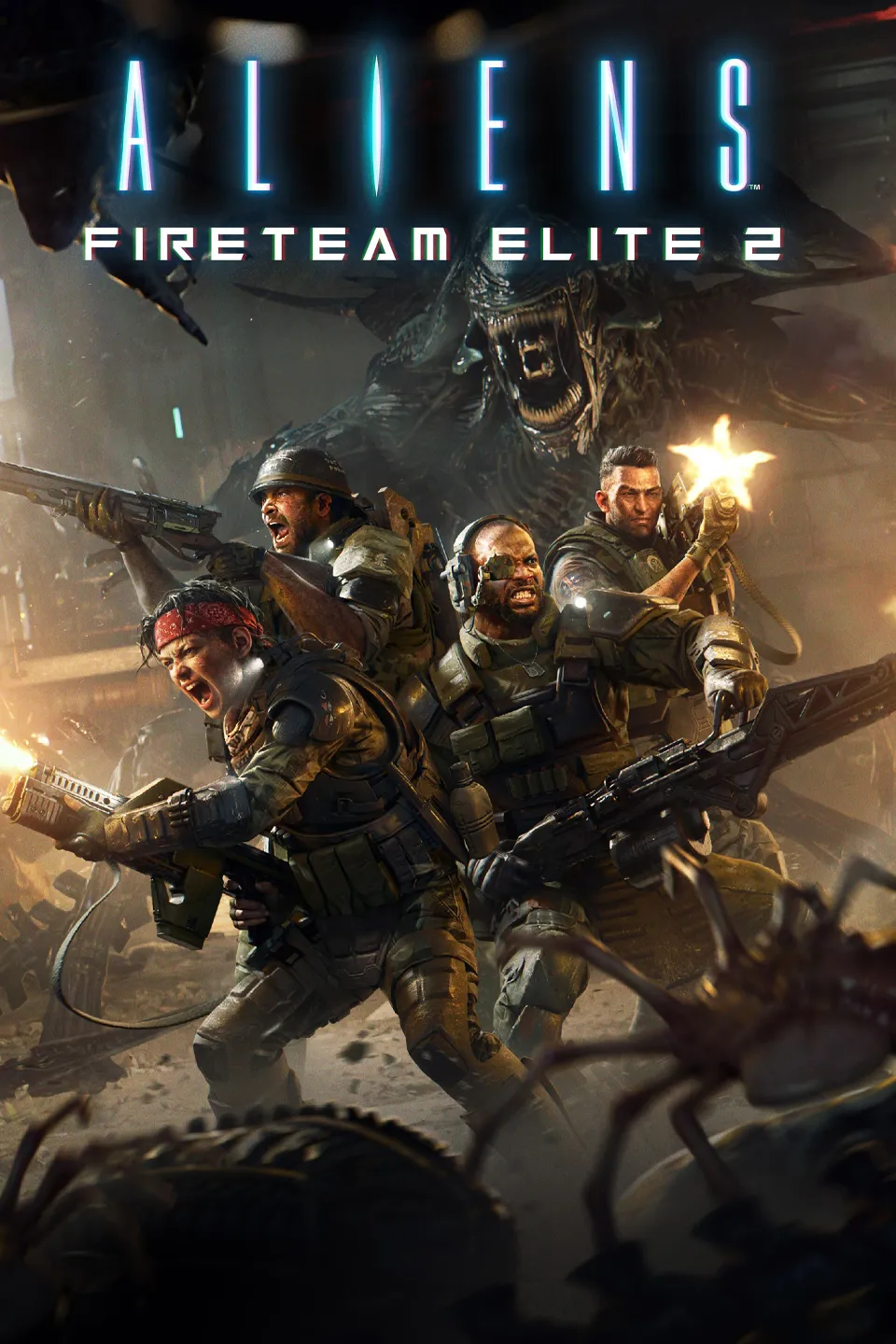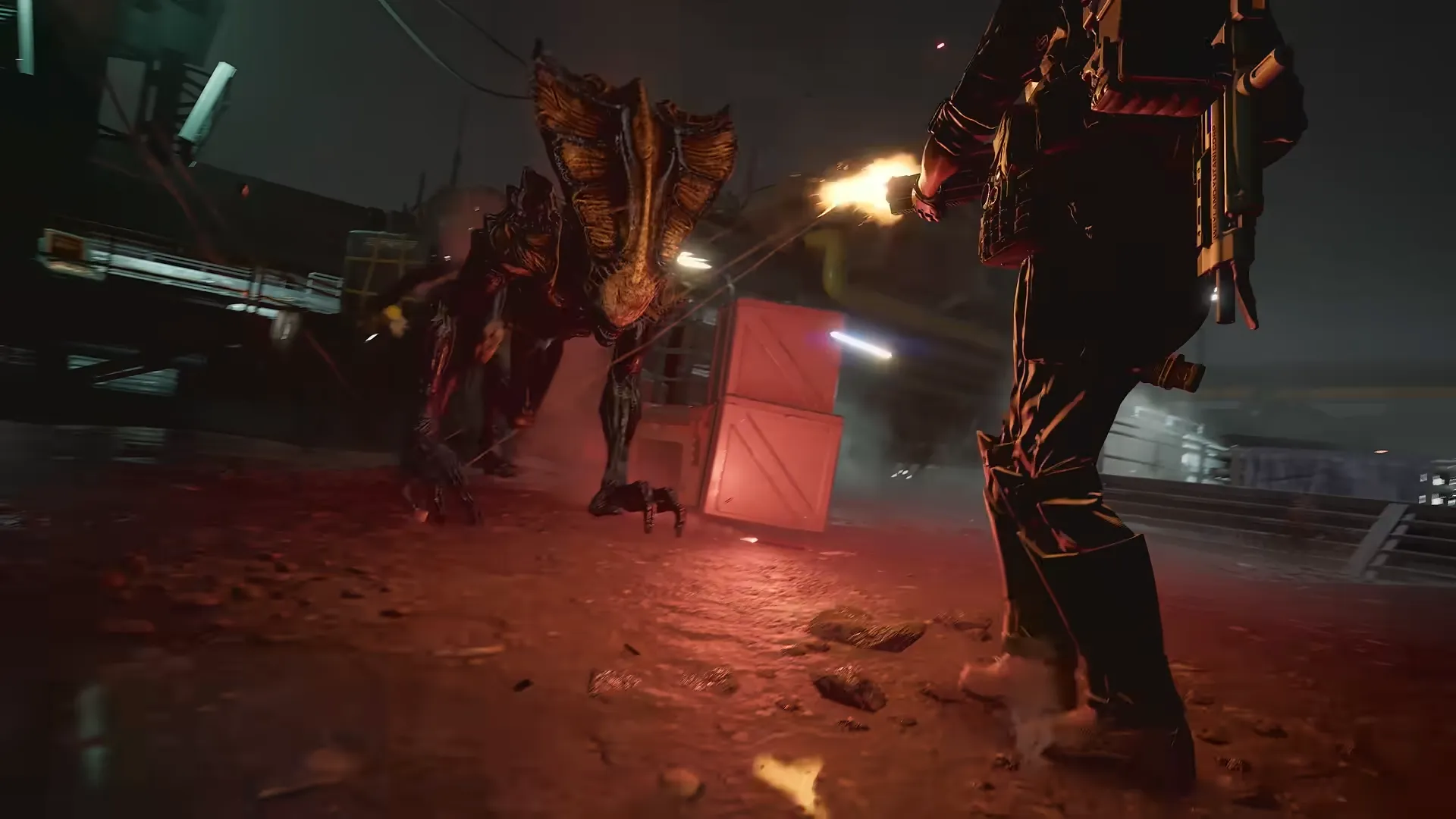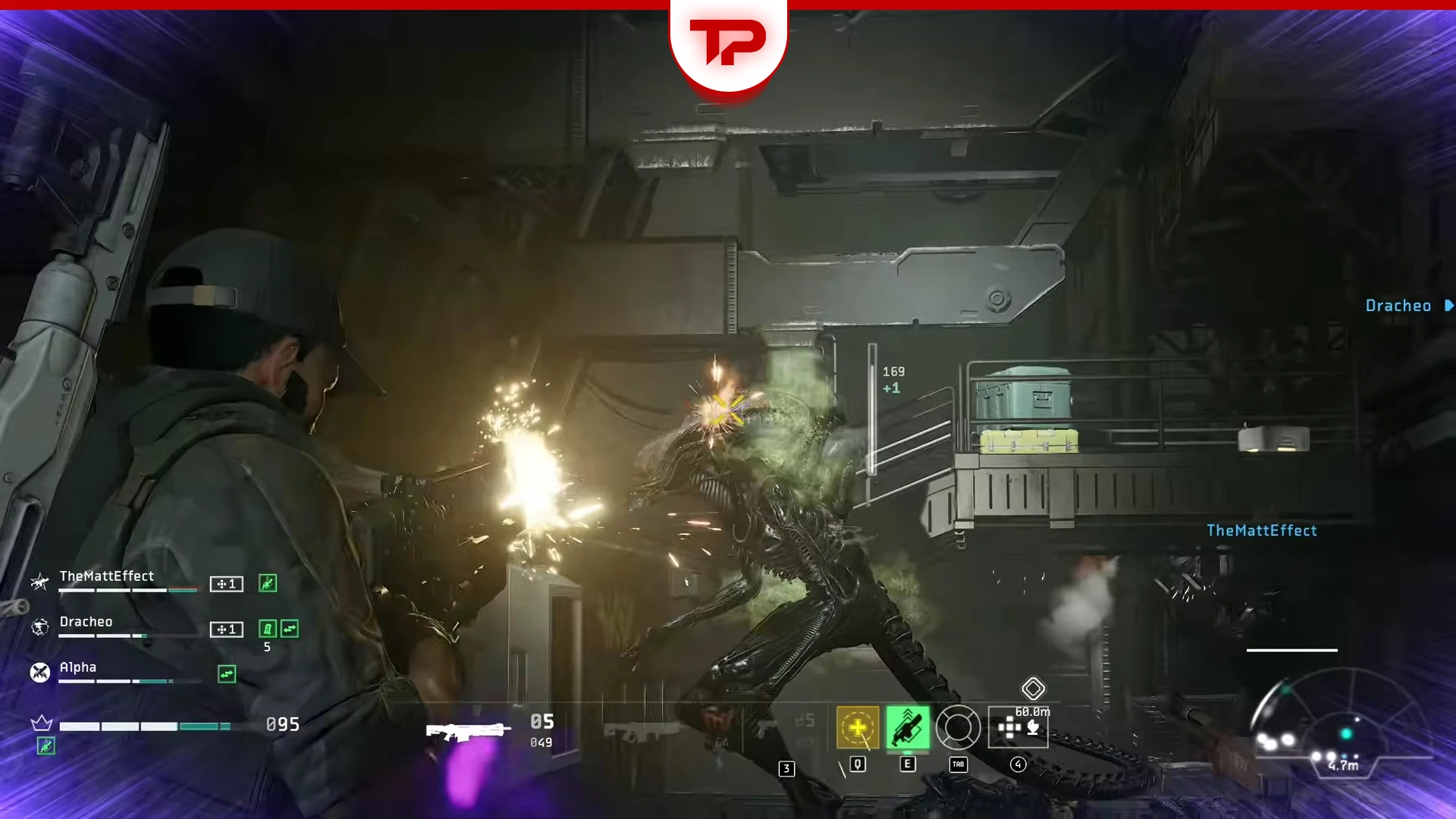


Aliens Fireteam Elite 2 has been just released and we have a lot of new things here. Compared to the previous game, we have six classes instead of five, a bigger perk board and a lot of new enemies, but the good news is you have one more teammate and now there are 4 marines in a squad. All of these changes can be overwhelming but don’t worry. In this guide we have covered everything you need to know to start the game including weapons, Perk Grid and loadout.
In This Guide:
What’s New in Aliens Fireteam Elite 2
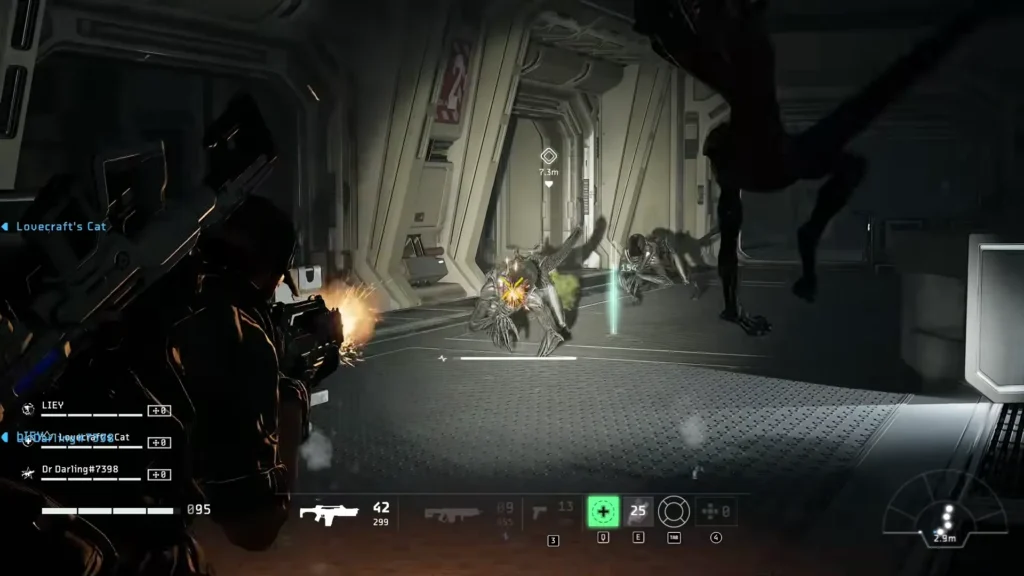
The main update over the previous game is the squad size. You now run with four marines instead of three. That sounds small, but it changes the game underneath: combat arenas are built wider, the game can throw more enemies at you at once, and that fourth slot is what finally makes a dedicated support player worth taking.
The other big change is the new types of enemies. There are new, deadlier threats on both the Xenomorph and synth side, and the game gives you more tools to fight them.
Everything else you remember is still here:
- Five difficulty modes: From Casual all the way up to Insane. Insane is locked until you beat the campaign on one of the other difficulties first.
- Quickplay matchmaking: Including cross-platform. Voice chat is crossplay too.
- Challenge cards: Which are back and expanded a lot.
- Horde mode: As the endgame.
Between the synth allies and quickplay, you’ll never be forced to go in alone, which is good news considering how much is waiting in the dark.
Classes
Here’s the short version before we go deep. Each of the six classes owns a different job. The Duelist deals flexible damage, the Marauder brings heavy explosives, the Machinist builds turrets and holds ground, the Hunter picks apart weak points, the Medic keeps everyone standing, and the Specialist is the endgame class you have to earn.
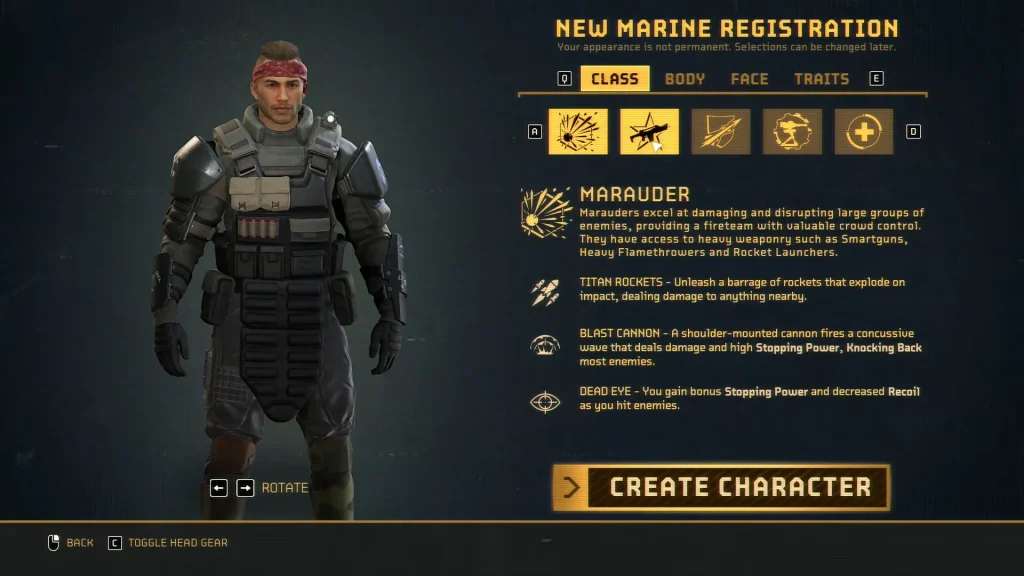
Every class has two kit abilities that belong to it alone, one passive perk, and its own separate progression. Each ability also has upgrade paths that change how it works.
If you want a full guide about Aliens Fireteam Elite 2 Classes, their unique characteristics and what each one is good for check out our full Alien Fireteam Elite 2 Class Guide.
How the Perk Grid and Progression Work
The perk system is the thing that makes this series stand out, and in the sequel it got a lot bigger. You now get 42 perk slots, up from 32 in the first game.
Every class levels separately, so committing to one is a real time investment.
Here’s how the grid reads. Your two kit abilities sit on the left and right sides. Your passive perk sits at the bottom. On a level one character only 12 boxes are open, with five other sections of the grid locked until you hit the matching level.
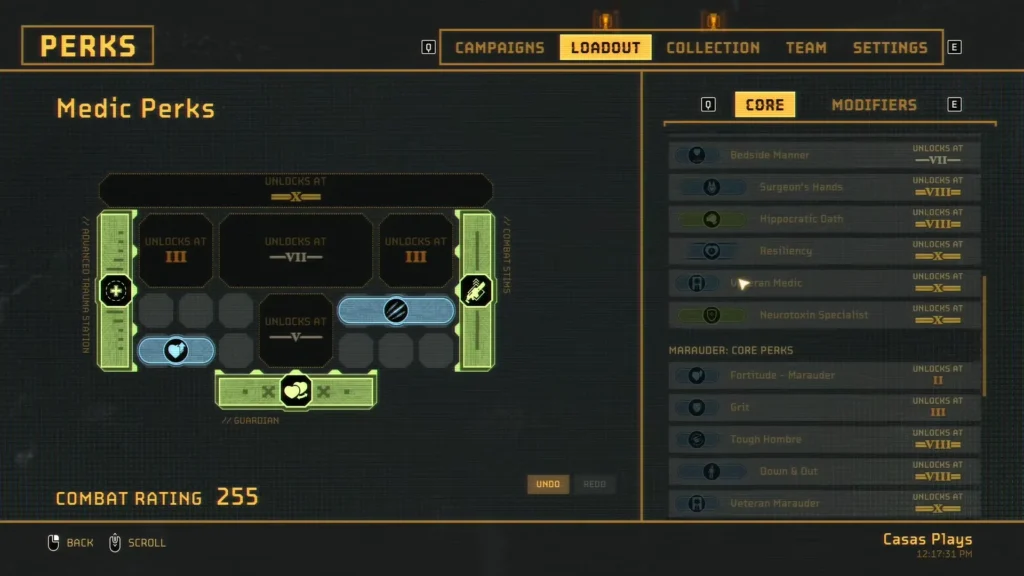
On the right side you’ll find two tabs:
Core holds the heavy stuff.
- Ability replacers completely change what an ability does and can rewrite how you play.
- Core perks are among the best passives for your class and usually match its natural playstyle.
- Miscellaneous perks are shared across classes and are handy building blocks for weapon performance.
- Other class core perks unlock as you level those classes, letting you weave hybrid perks into your build.
Modifiers is where you push a build further. Most are class-specific, but there are shared modifiers and other-class modifiers you unlock by leveling elsewhere.
One rule to burn into your memory: perks tied to a specific ability must physically touch that ability on the grid. It matters that where you put them on the perk grid.
As you place perks, watch the combat rating in the bottom left. It shifts as you build. You can get a general idea about how good your build actually is.
Weapons, Attachments and Loadouts
Your loadout has four moving parts: a primary, a signature, a sidearm, and your items.
Primary weapons
These are shared across every class. This is the universal pool that travels with you no matter who you’re playing, running from high-powered semi-autos to pump shotguns. Remember, the Duelist gets two of these while everyone else gets one.
Signature weapons
Signature weapons are locked to your class, and they might be the thing that actually decides who you play. The Marauder gets heavy weapons like the smart gun, rocket launcher and flamethrower. The Machinist gets plasma weapons that build heat instead of eating ammo. The Hunter gets long-range rifles and beam weapons. The Medic gets shotguns and SMGs.
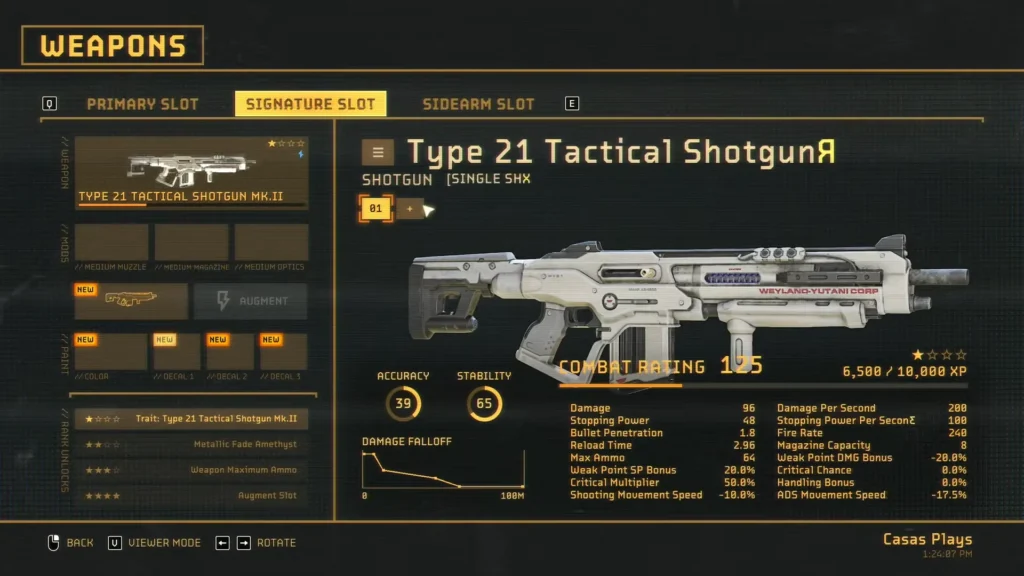
Sidearms
Your sidearm is your safety net, and the key detail is that your sidearm has unlimited ammunition. When you’ve been too enthusiastic with your main guns between resupply points, that pistol is what keeps you alive.
Attachments and Weapon Ranks
You start unlocking attachments after your first campaign completion. They tweak your gun’s stats, and different weapon types take different attachments. A heavy weapon might have an internal magazine, a barrel and an armature, while a standard rifle takes an underbarrel, a medium magazine and medium optics.
Every weapon also has a star rating that climbs the more you use it in missions:
- 1 star: unlocks the weapon’s trait, a small passive boost. Once unlocked, you can use that trait on other weapons too.
- 2 stars: unlocks a unique colorway.
- 3 stars: unlocks a universal core perk usable on any class.
- 4 stars: unlocks the weapon’s augment slot.
Augments are the real prize. Unlike attachments, which nudge numbers around, an augment can change your weapon’s elemental damage type entirely, or even change how you play. The Smart Aim onboard chipset, for example, turns any gun into a smart aim gun.
Items in Aliens Fireteam Elite 2
Major and minor items are your consumables, and now they are cheap enough for everyone to use them on every mission. You can hold a full radial wheel of them, which turns items from a luxury into something you can actually spend freely. Turrets, grenades, stim packs and elementally enhanced bullets are all in the pool, and each one has a moment where it saves a run.
Challenge Cards and Requisition
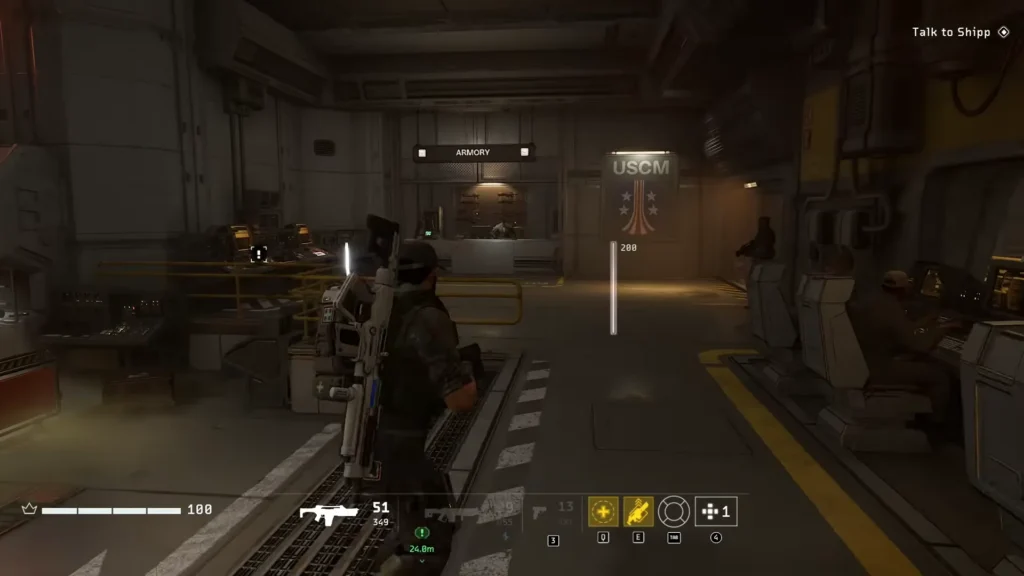
Everything you buy comes from the armory: weapons, attachments, items, perks and challenge cards. Everything costs requisition, which trickles in slowly at first and piles up once you’re playing multiple classes. Be picky early on and only buy things you’ll actually keep using.
Challenge cards are deployable modifiers you apply to a run. They change parameters like which weapons you’re allowed, which enemies you fight, and plenty more. Cards that make the game easier pay out less requisition. Cards that make it harder pay out more. Some also drop items like attachments at the end of a run, and while you can’t pick what you get, it’s one of the better ways to build up an attachment collection without grinding requisition. You buy the cards themselves from the armory.
There are a lot more cards this time, which is the main reason no two runs play out the same way.
Aliens Fireteam Elite 2 Pro Tips
No amount of gear replaces good tactics. These are the things that matters most and helps you get going at the beginning.
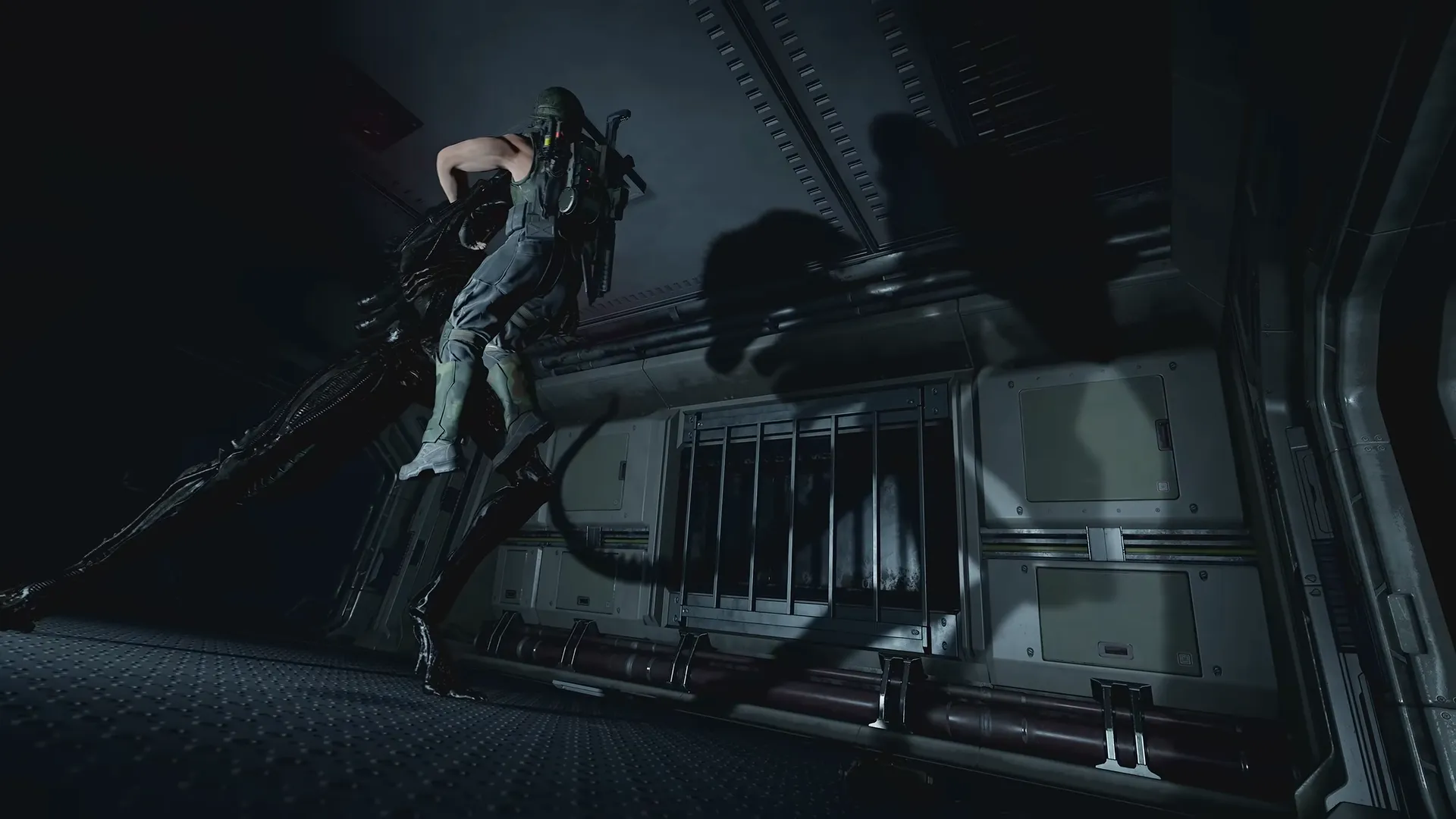
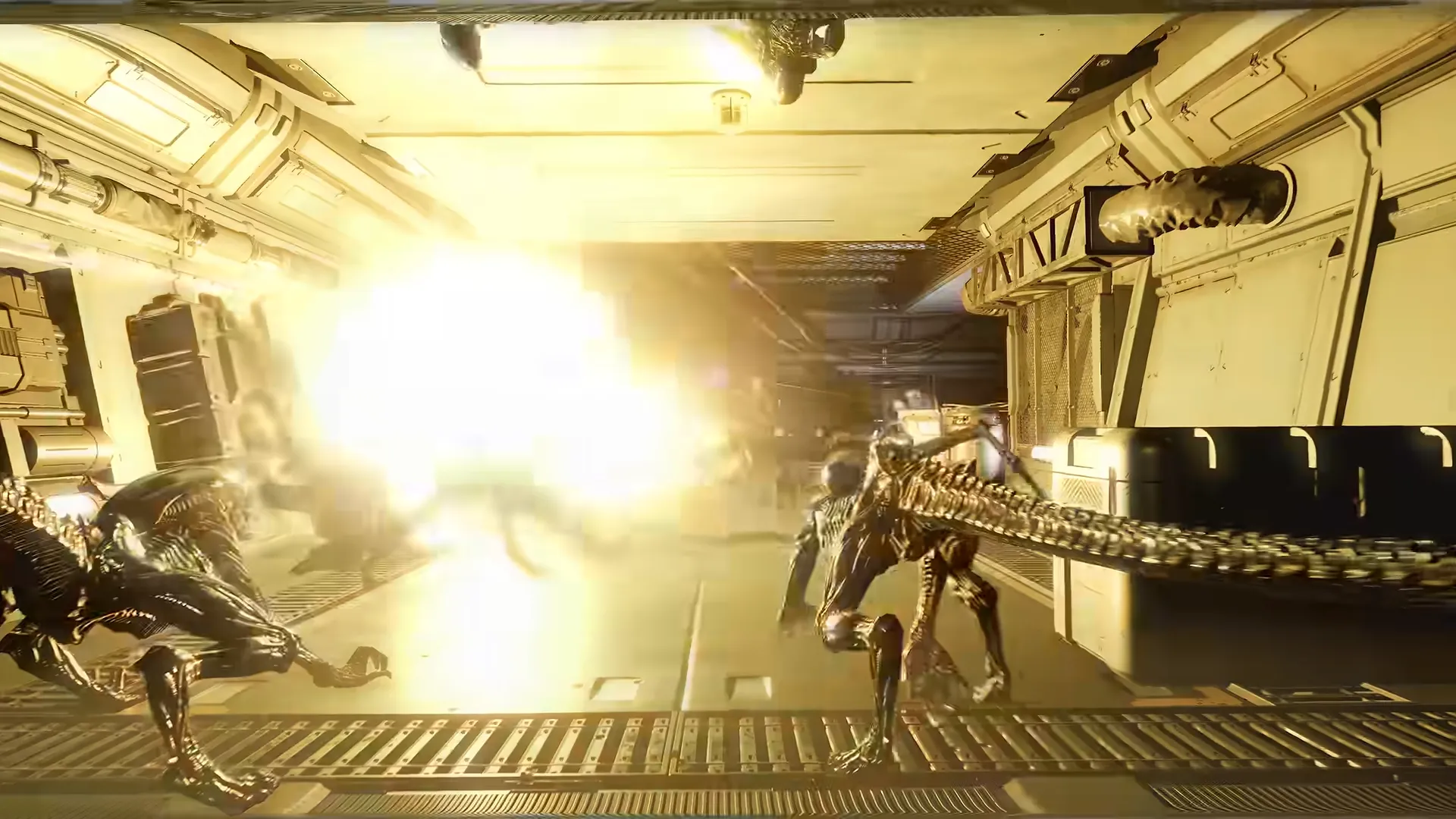
Pay attention to your surroundings even above your head: Enemies come from everywhere. In front of you, behind you, above you, below you. Things climb walls and pop out of vents. Never assume a cleared area is safe, because it isn’t.
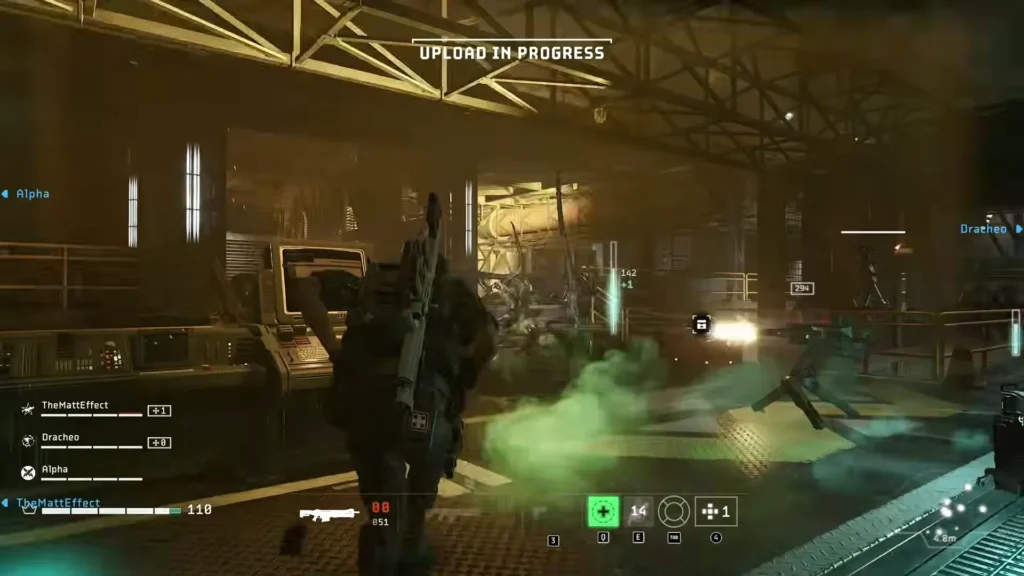
Learn the damage types: Xenomorphs are vulnerable to thermal and resistant to electric. Synths are the opposite: vulnerable to electric, resistant to thermal. You can see which enemy types you’ll be facing when you pick your mission, so bring the right gun for the fight instead of finding out the hard way.
The best place to fight is near the ammo crates: Watch your ammunition, because burning through it early means fighting with a pistol in a situation that badly needs more than a pistol. Ammo crates are placed strategically through every mission. Fight near them for as long as you can, use them to top off while holding a strong point, and hit the crate one last time before moving into the next area.
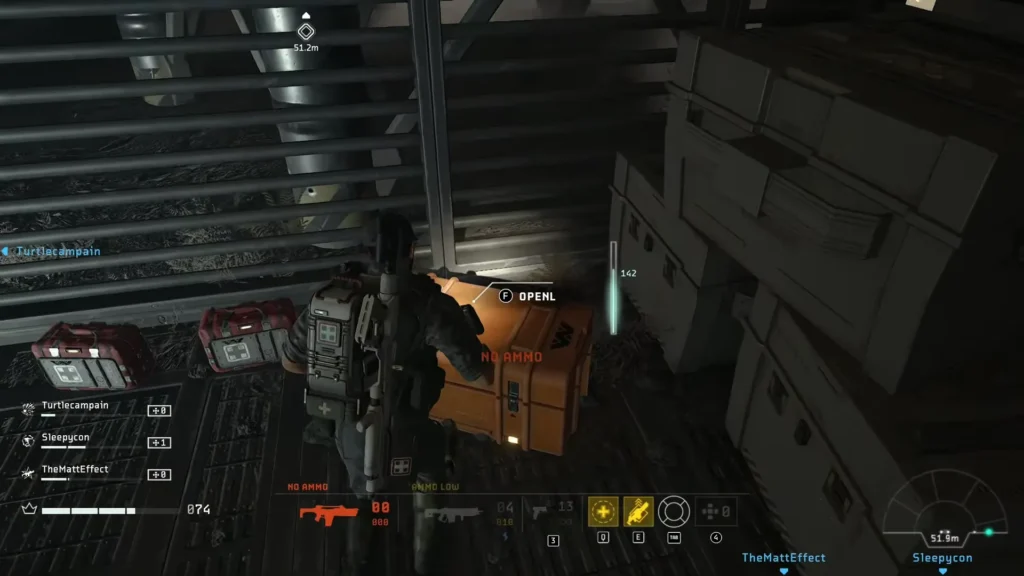
Don’t take health kits more than you need: There’s usually a health kit near every ammo crate, one for each human player on your team. You can only carry one at a time. If you already have a kit and you find another, check whether anyone else needs it first. If nobody does, heal yourself with the one you’re carrying and pick up the new one as a reserve. That way you’re topped off and still holding a spare.
Space out and watch your fire: This is a co-op game, and friendly fire becomes very real once you push past the lower difficulties. Don’t shoot through your teammates. With four marines instead of three, spacing matters more than it ever did in the first game. Hold your own angles, cover more ground, and stop putting rounds into your squadmate’s back.
This is everything you need to know to start the fun. Shoutout to Casas Plays for their amazing walkthroughs. I couldn’t run the game on the highest settings on my own PC, so all the images in this guide are from their channel.
Tell me about your experience playing Aliens Fireteam Elite 2. How different is it compared to the previous one?