

PoE Putrid Seed promises a shortcut to powerful notables, but your passive points aren’t getting a free ride. This unique Mycelium Core jewel from Path of Exile 3.30: Covens of Umbra comes from the Effulgent Blightworm during Blight encounters with Threads applied. Cassia can anoint it with Oils to grow four random passive skills, but you’ll still need to spend points to unlock their effects. Here’s how to get Putrid Seed and whether it’s worth sacrificing your Large Cluster Jewel slot.
Table of Contents
How to Get Putrid Seed in PoE 3.30
Putrid Seed comes from the Effulgent Blightworm, a miniboss that has a chance to appear at the end of a Blight encounter with Threads applied.
To find it, apply Blight Threads through the Map Device and complete the Blight defense. You can also access the mechanic through a matching Shaped Region, which provides a free Thread effect. The Effulgent Blightworm may ambush you after the defense, but its appearance isn’t guaranteed.
Defeat the miniboss for a chance to claim a scrap of mycelial core, which you can bring to Cassia for anointment. Putrid Seed uses the Mycelium Core jewel base.
You shouldn’t expect the miniboss to appear after a specific number of attempts. I couldn’t find any confirmed drop rate or minimum map tier for Putrid Seed.
How to Anoint Putrid Seed With Oils
Take Putrid Seed to Cassia and use Oils to anoint it. Unlike a regular anointment, this process doesn’t guarantee a specific notable based on a familiar Oil recipe.
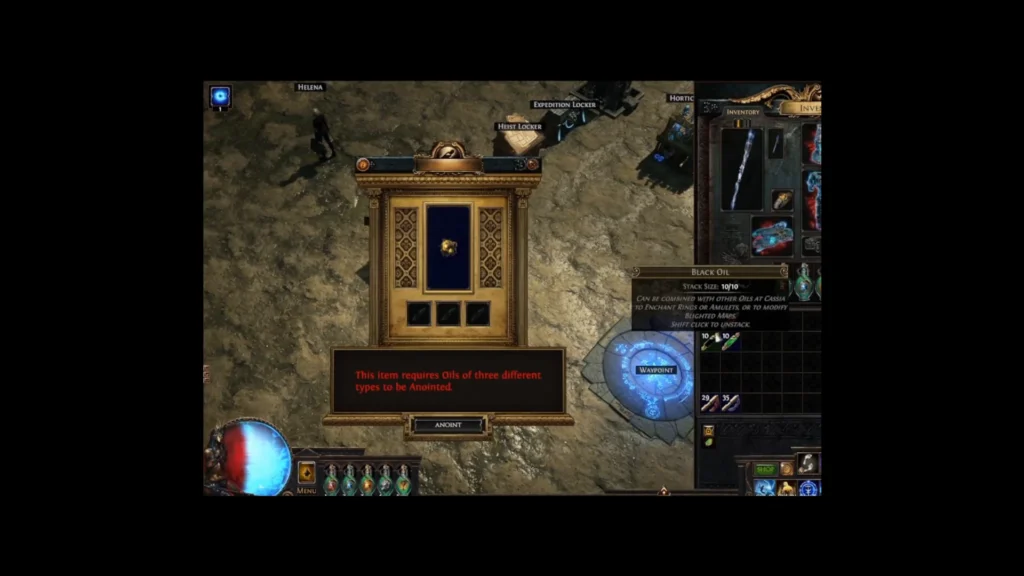
Instead, the jewel grows four random passive skills influenced by the Oils you choose. This gives you some control over the possible results, but it doesn’t guarantee the exact passives you want.
Which Oils Are Best for Putrid Seed?
I can’t label an Oil combination for Putrid Seed as “best” yet. The Oils influence which passives grow, but the exact selection rules and probabilities haven’t been established.
You should be careful with expensive Oils here. A costly combination doesn’t necessarily guarantee four useful notables, and a great result for one build might be completely useless for yours. I think the smarter approach is to focus on the passives your build needs rather than assume the most expensive Oils will deliver a perfect jewel.
Where to Socket Putrid Seed
Putrid Seed requires an allocated Large Jewel Socket on the outer edge of the Passive Skill Tree, where you would normally place a Large Cluster Jewel.
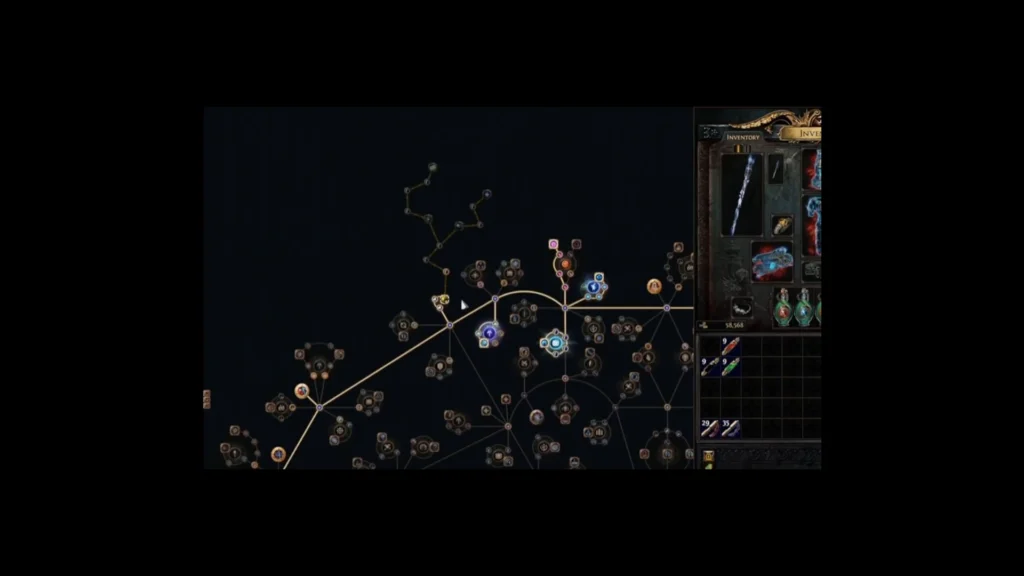
After you insert it, new fungal branches appear around the socket. These branches contain the jewel’s added passives, with smaller nodes along the paths between them. The layout changes depending on which outer socket you use. Each placement has the same total node count, but the route to a particular notable can differ.
That’s worth checking before you commit points because a useful notable at the end of a long branch might be less attractive than another you can reach with fewer points.
How Do Putrid Seed Passives Work?
Putrid Seed has four fixed passives: Swagger, Twin Terrors, Courage, and Skittering Runes. These are separate from the four random passive skills generated through anointment.
The jewel doesn’t grant its generated notables for free. You must spend passive points through its branches to activate the skills you want.
The small passives along those paths also provide defensive bonuses. Their effects depend on the jewel’s position on the tree, so don’t assume every socket will offer the same benefits.
Can You Stack Putrid Seed Notables?
Putrid Seed’s generated branches provide access to existing Passive Skill Tree notables rather than independent copies of their effects.
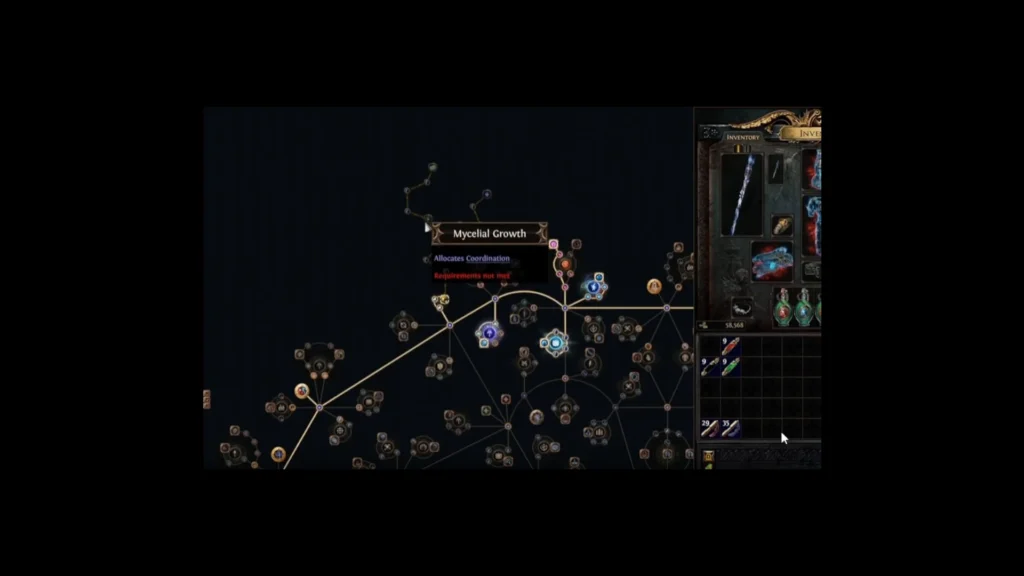
The Mycelial Growth mechanic allocates the corresponding notable. That means you shouldn’t count the same notable twice just because your build can reach it through both the normal tree and Putrid Seed. The real benefit is access to a notable that would otherwise require a long trip across the tree.
How Many Passive Points Does Putrid Seed Cost?
There’s no single passive-point cost that fits every build. You need to account for the route to the Large Jewel Socket, then the points required to reach your desired notables through the new branches.
You don’t necessarily need to allocate every branch. If only two notables benefit your build, focus on the shortest route to those two.
I’d also count the small-passive bonuses before deciding whether a branch is worth the investment. They aren’t empty travel nodes, although their value depends on your build.
Is Putrid Seed a Historic Jewel?
No, Putrid Seed is not a Historic Jewel in PoE 3.30. Its earlier demonstration showed a Historic restriction, but that classification was removed for the league’s launch.
This means you can use Putrid Seed alongside a Timeless Jewel without the Historic restriction forcing you to choose between them. It still requires an outer Large Jewel Socket, though, so you’ll have to consider what you give up in that slot.
Is Putrid Seed Worth It Over a Cluster Jewel?
Putrid Seed is worth considering if its passives save your build more points than they cost. Its biggest advantage is access to valuable notables on distant parts of the Passive Skill Tree without a long route to reach them.
The downside is what you sacrifice. Putrid Seed takes a socket that could hold a Large Cluster Jewel, which might support an entire setup with additional jewel sockets.
So probably it’s not the best idea to replace a good Cluster Jewel just because Putrid Seed rolled impressive notables. Try comparing both setups at the same passive-point budget and see which one gives your build more value.
A strong Putrid Seed roll could make sense for a specialized build that needs hard-to-reach notables. Otherwise, a regular Cluster Jewel may offer better value without the extra gamble. The important part isn’t how many notables Putrid Seed displays. It’s how many of them your build can actually use without wasting valuable passive points.

Path of Exile