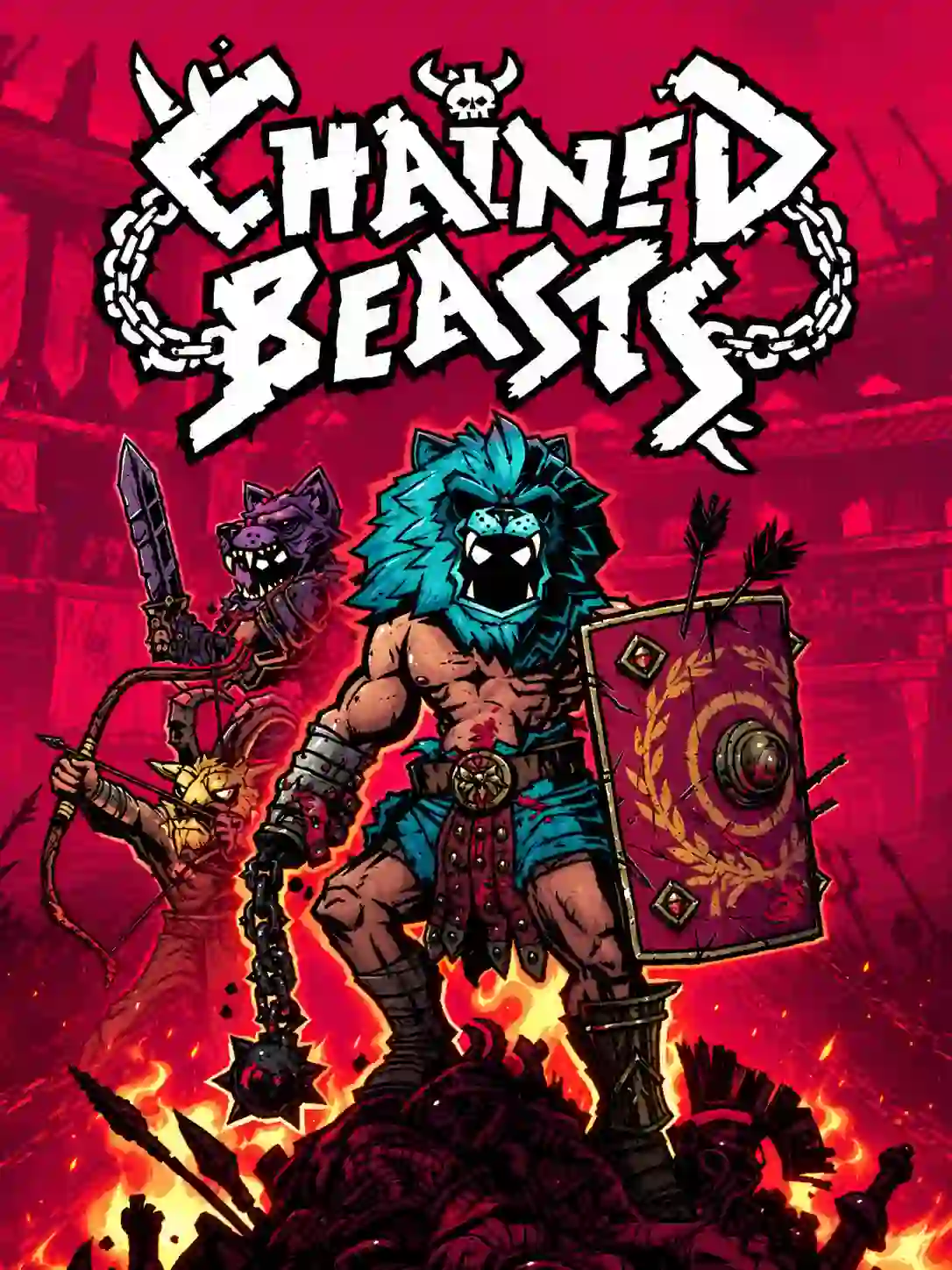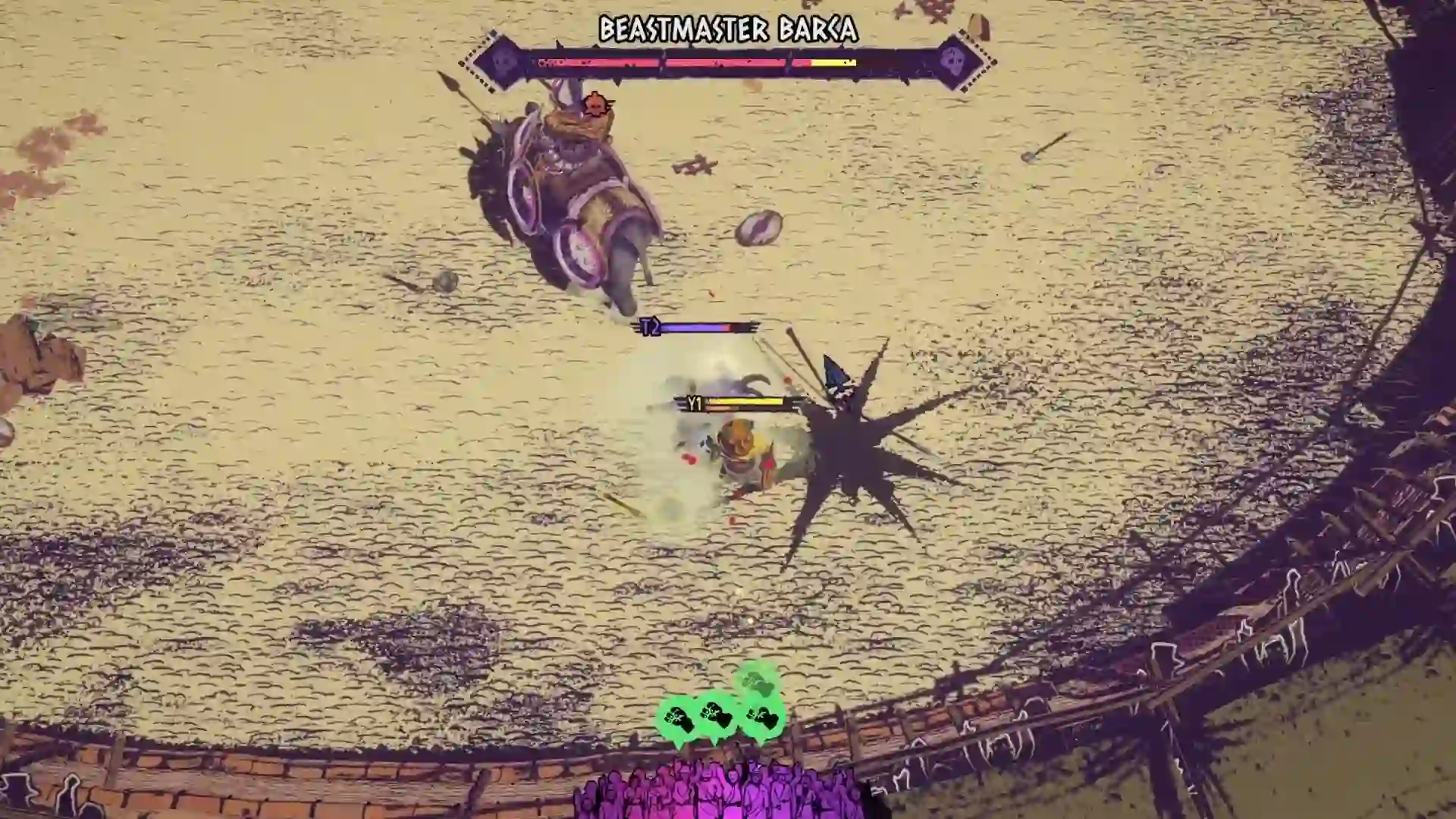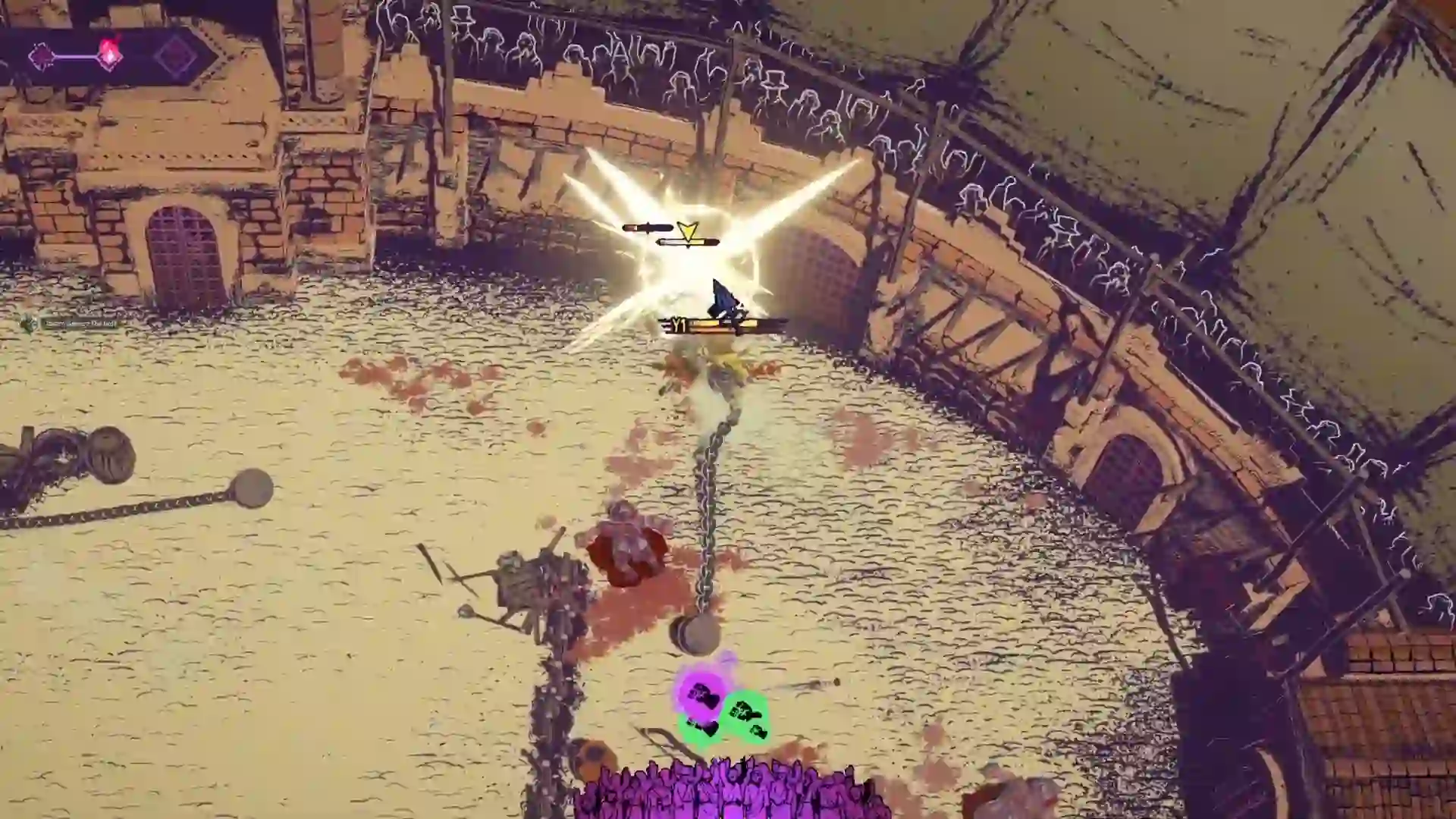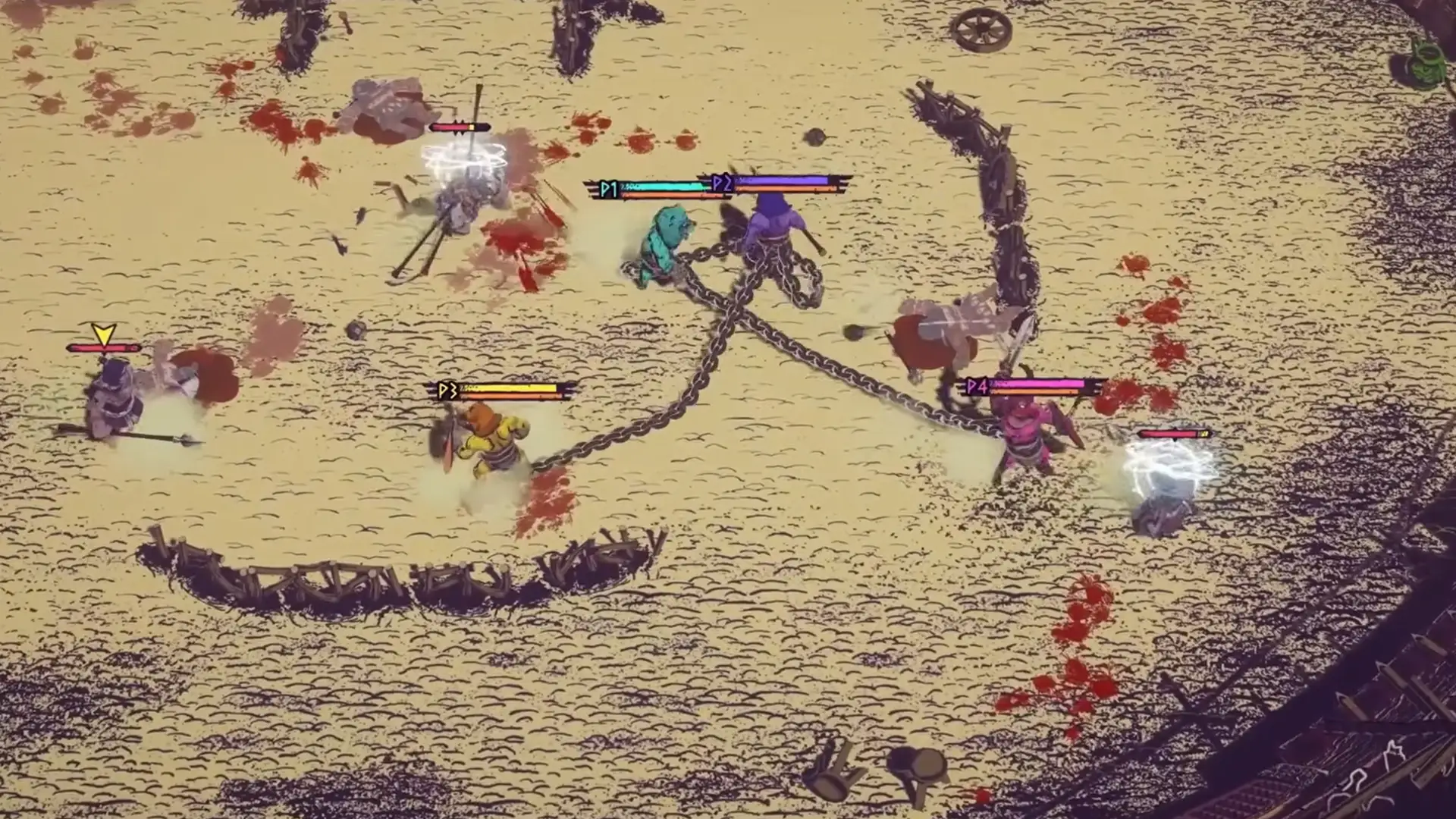


Chained Beasts is an unforgiving action roguelike where you (and up to three friends) fight in arenas while literally chained together. The chain is both a constant annoyance and your strongest crowd-control tool if you learn to use it as a lasso, weapons are completely disposable so you should throw them constantly, environmental hazards do free damage, healing always comes with permanent afflictions, and the crowd rewards stylish variety over mindless button-mashing.
One wrong step and the whole group ends up wrapped around a pillar while enemies have a field day. Want to learn the game? Read this guide to the end.
What You Need:
The Basics: What You’re Actually Doing
You’re a beast-gladiator hybrid in a wave-based arena roguelike. Fight through nights and acts, survive the crowd’s demands and grab upgrades between rounds.
Weapons break. Everything is disposable. The ground is covered in replacements. Get used to grabbing the first decent spear or club within reach and keeping the pressure on.
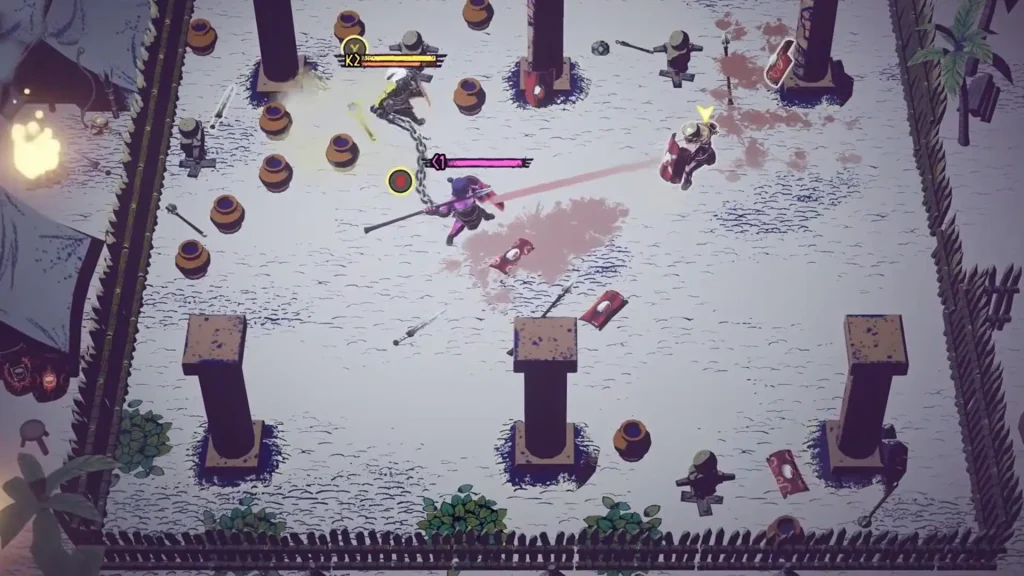
The crowd watches everything. Variety and style make them go wild, which means better rewards, money and buffs. Spam the same move and they get bored. Mix it up like me: chain trip, throw, execute and pose if you’re a lion.
Chained Beasts Combat Fundamentals
Early on the combat feels a bit clunky. Animations don’t cancel easily and stamina drains fast. Plan your moves.
Stamina is life so don’t spam. Wait for recovery windows. Shields break. Use them, but know when they’re done.
Throwing is one of the strongest tools. Distant archers or annoying backliners? Toss the weapon instead of dragging your chained partner across the map. Just keep a backup nearby or a teammate ready to cover you.
Executions look cool and pay off, but you’re not invincible during them. Time them carefully.
Oh, and the fun part: Friendly fire is real. In co-op you will hit each other. Laugh about it, then stop throwing urns at your friend’s head.
Environmental hazards like Spike walls, snake pits, fire, explosive urns, traps are free damage. Push or throw enemies into them. An enemy near a pit is often a better target than the one standing right in front of you.
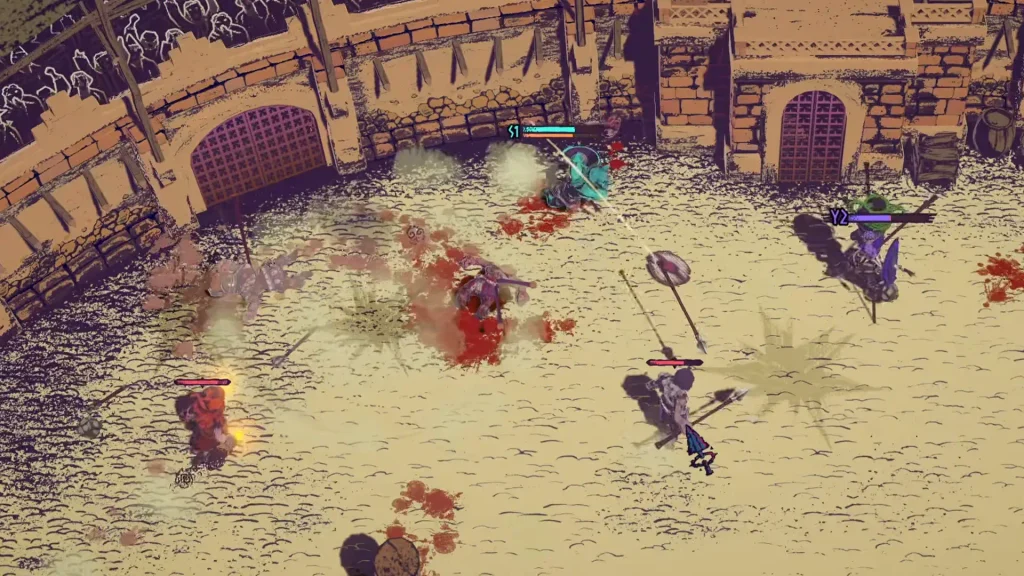
The Chain: Your Best (and Worst) Friend
This is the big one. New players treat the chain like a punishment, but it’s not. Veterans treat it like a weapon.
When you and a partner run past enemies at the same time, the stretched chain acts like a lasso and knocks them down. Synchronize movement and you clear whole lines. Run in random directions and you just tangle yourselves.
Do you want some Hard-learned rules? Do not intentionally wrap the chain around pillars. It freezes the whole team in place and enemies feast.
Knock enemies down with the chain, then shove them into pillars, traps, or hazards. Let the arena finish the job. In solo you’re chained to a ball (or log/rock). Use it for trips the same way, run past groups.
Afflictions, Potions, the Surgeon
Healing is never free. Every potion comes with permanent (for the run) afflictions marked by skulls of severity. Light ones early (mild double vision, slight throw inaccuracy) are manageable. Severe ones that wreck your speed, vision, or build strength get carried to the surgeon between acts.
The surgeon can remove afflictions, experiment for money/risk, or give you surgical upgrades that come with new problems. Read the full trade-off. A big heal that removes your ability to aim or see is not a win if your whole playstyle relies on throwing.
Some afflictions are weirdly useful in co-op things that force you to stick together or alternate attention. Learn to play around them instead of just complaining. You can also disable specific visual afflictions in the settings if they make you nauseous (or turn them all off for an unofficial easy mode).
Tip: In the settings menu you can individually disable specific afflictions (especially the visual ones like double vision, tunnel vision, migraine, color blindness, etc.). Some players use this as an unofficial easy mode or just to avoid motion sickness.
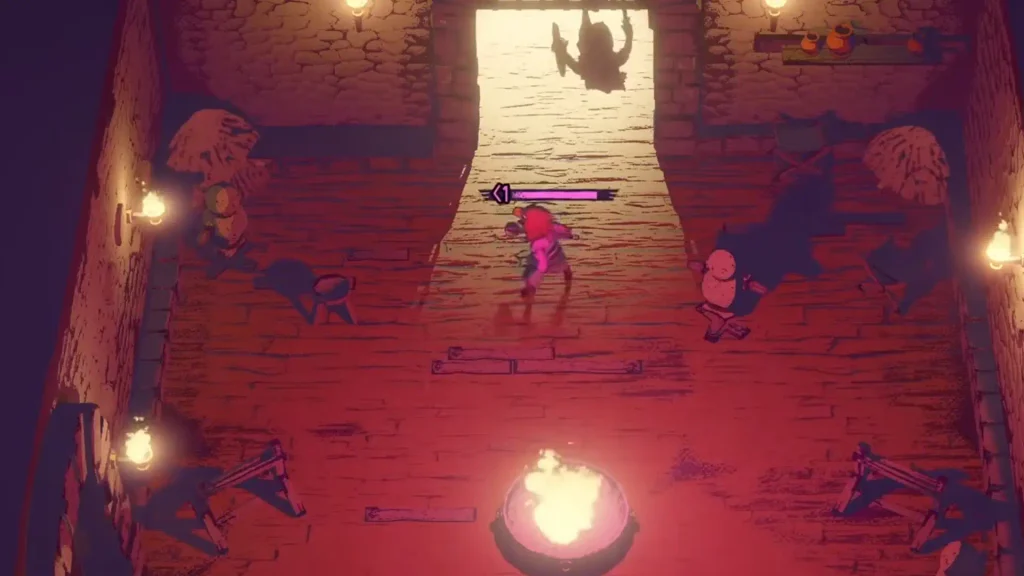
Progression and Contracts in Chained Beasts
Between fights you level up through training, visit shops and sometimes take crowd contracts.
You can train by rolling for XP. Higher rolls give more levels but risk worse afflictions. Some perks change this (e.g. always get 2 XP, or start with strain). You can over-train on purpose if you want the extra levels and are willing to accept the drawbacks.
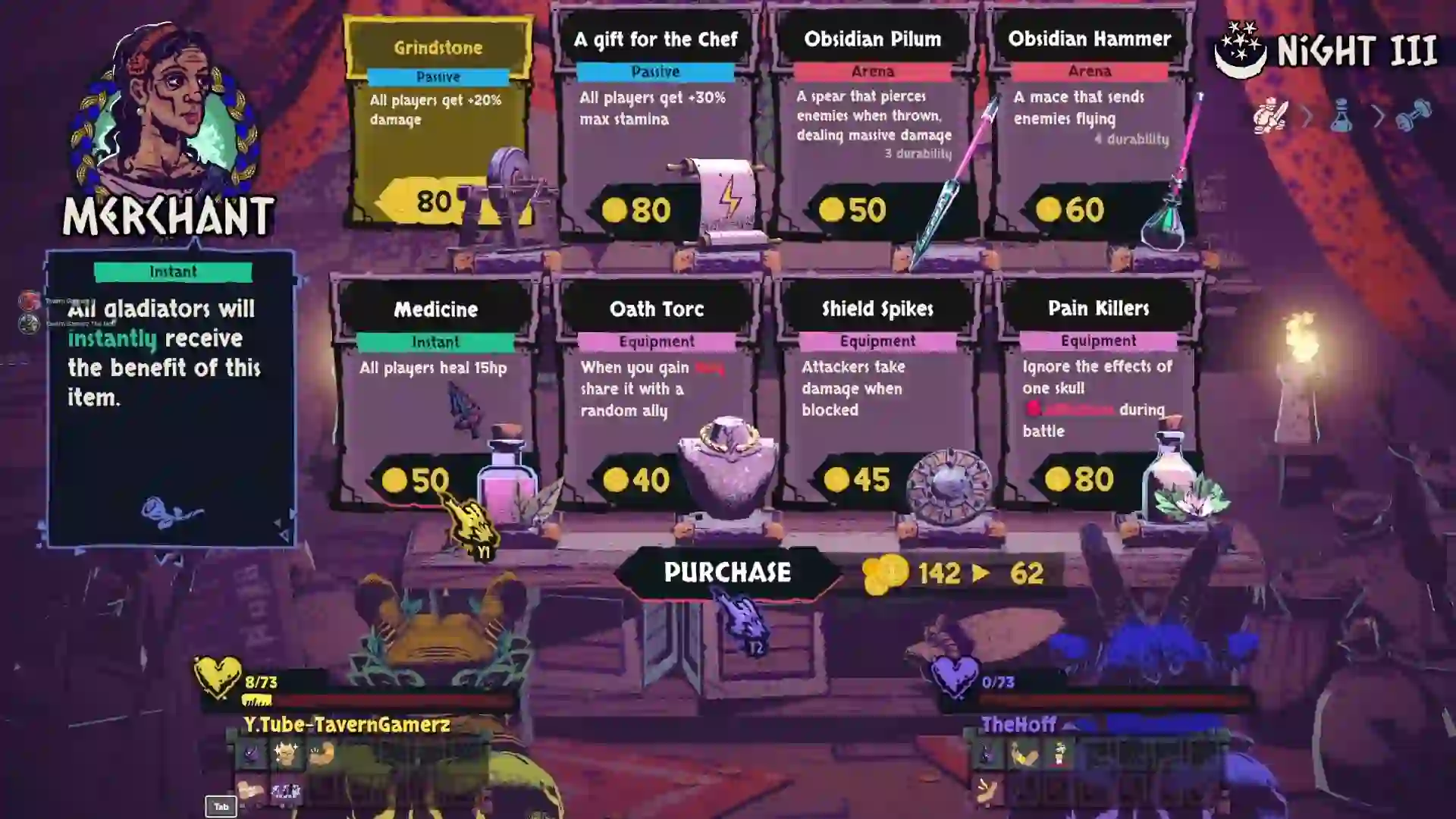
Shops offer passives and arena items that appear in future fights. Money is shared in co-op. Prioritize things that fit your current build.
Contracts are the fastest way to get rich, kill X enemies with throws, take no damage until Y die, miss fewer than Z attacks, etc. Success means gold and unlocks. Failure? Means bones broken or worse afflictions. Only take ones that match what you’re already doing well. Greedy contracts end runs.
Unlocks come from finishing difficulties and specific feats (kill a boss in 10 seconds, only drink water the whole run, etc.). New beasts and cosmetics unlock over time. There isn’t heavy meta-progression that makes you permanently stronger, most power is run-based.
Best Beasts in Chained Beasts
Every beast has base stats and a playstyle. Variants change them further. I’ll list the best of them.
Tip: All beasts can use any weapon in the game. The real difference comes from their passive abilities and how well they fit the build or team role you’re going for. Variants unlocked by leveling each beast further customize these traits.
Lion
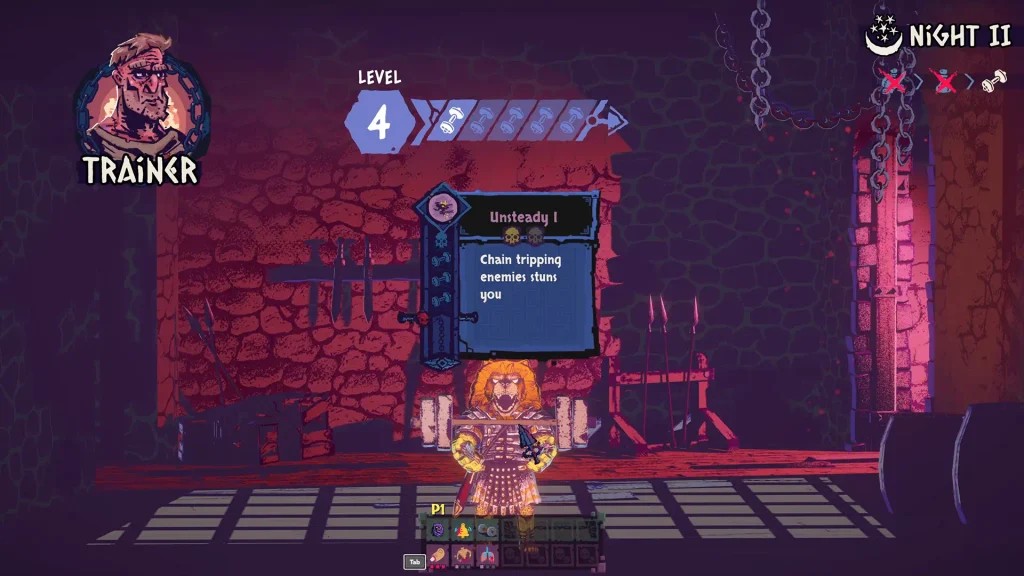
The Lion is the classic aggressive fighter. His main strength is a big boost to charged and special attacks, making heavy swings with swords, spears or hammers hit much harder. He works especially well when a teammate trips enemies first, leaving them open for those powerful follow-up strikes. Mobility and reach are average, so he’s best played as a straightforward damage dealer who capitalizes on openings.
The Lion can taunt for money when the crowd is hyped (That’s why it’s my favorite one). Actually the Lion is the only beast that can taunt. When the crowd is hyped and you kill someone, you can pose/taunt and they throw extra money at you. This makes the Lion strong for pure economy runs.
Eagle
The Eagle is all about money. He earns double the coins from crowd tips and rewards, which means the team can afford better equipment and passives much earlier in a run. He doesn’t have extra health or defensive bonuses, so he’s not a frontline fighter, but in co-op he becomes an excellent support choice. While someone else holds the line, the Eagle funds the whole squad.
Bear
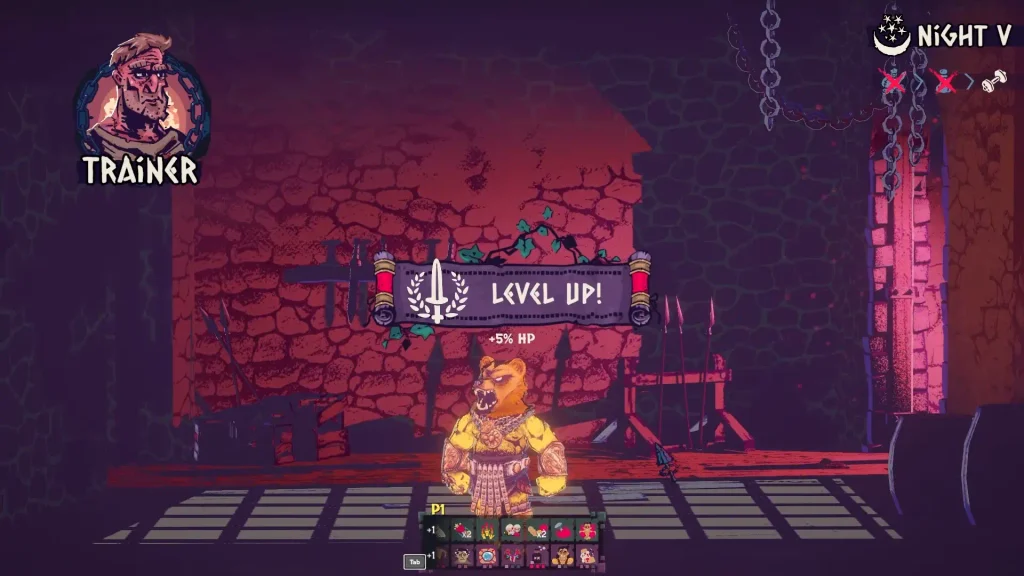
The Bear is built for taking hits and hitting back. He has extra health and a very useful ability: every time he gets struck, he briefly becomes invulnerable and enters a fury state that boosts his damage. The trade-off is noticeably slower movement, so he can feel sluggish when trying to dodge. This makes him the natural choice for punch and unarmed builds, since he can afford to stay in the middle of the fight and trade blows.
Wolf (Bone Collector)
The Wolf starts every run differently. He begins with three random skills already unlocked, but also carries one random affliction from the start. On top of that, he causes more dismemberments, deals massive extra damage when using severed body parts as weapons and earns bonus cash just for picking up limbs. This makes him a high-variance, chaotic option that can feel very strong or a bit messy depending on the random skills and affliction he rolls.
Rhino (Armored Rhino)
The Rhino is the dedicated tank. He takes substantially less damage from all sources and has high resistance to being staggered, which lets him stand firm against heavy attacks and shield-heavy enemies.
The downside is slower overall movement and handling. He’s one of the safest and most reliable choices for beginners or for players who want to hold the front line, especially in solo runs.
Ibex (Agile Ibex)
The Ibex is the mobility specialist. He moves faster than most other beasts and his dodge rolls cost much less stamina, letting him stay mobile and avoid damage more easily.
One of his variants even grants permanent vigor when his health gets low. He doesn’t have strong defensive bonuses, so he relies on not getting hit in the first place. He’s ideal for hit-and-run playstyles and for players who like to stay light on their feet.
Strong Chained Beasts Builds That Actually Work
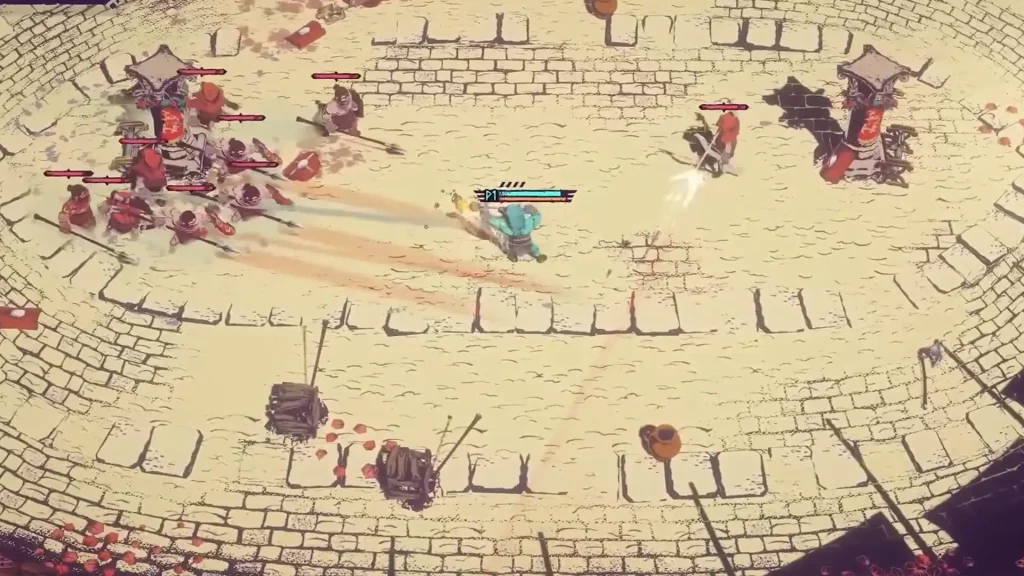
Here are the strongest possible builds in the game:
Throw (Ranged or Environmental)
This is one of the most consistently powerful approaches in the game. Instead of relying on normal melee swings, you focus on throwing weapons and heavy objects like stools, urns, wheels, bodies, anything you can pick up.
You stack perks that increase throw damage and add trip or critical effects. The real strength comes from combining throws with the arena itself: you push or hurl enemies into spikes, fire, snake pits, or traps so the environment finishes them off. Once this build comes together, you control space easily and clear groups with far less risk than standing toe-to-toe.
Punch Build
This build turns your fists into the main weapon. The key pieces are Brass Knuckles for a big boost to unarmed damage and the perk Drive It Home, which makes every weapon currently stuck in an enemy deal damage again when you punch them.
You also look for punch criticals, trip chance on punches, and longer fury duration. The usual strategy is simple: throw spears or swords into a target so they stick, then walk up and punch. Each punch re-triggers the embedded weapons and can melt even tough enemies or bosses.
A Tip I know: The Bear is the best fit because his on-hit invulnerability and fury let him stay in the middle of the fight and keep punching without dying.
Tank for Defensive Plays
This style is about surviving long enough to outlast everything. You prioritize damage reduction, longer-lasting shields, block effects that stun or punish attackers and anything that triggers fury or invulnerability when you get hit.
Bear and Rhino are the natural choices here because they already lean into durability. The goal isn’t the highest damage numbers, it’s staying active in chaotic fights and creating openings for yourself or teammates while the enemies wear themselves down on your defenses.
Economy Build
This build is less about combat style and more about resources. You play Eagle (or sometimes Lion) and focus on keeping the crowd as excited as possible so they throw extra money.
The Eagle’s passive doubles crowd tips, which lets you buy the strongest equipment and passives much earlier than usual. Lion can help by taunting after kills for even more gold. Once you have the money flowing, you simply purchase whatever makes the rest of the run easier. Better armor, high-durability weapons, powerful passives and coast on superior gear.
Hybrid Chained Beasts Builds
This is the most common and flexible style in co-op. You mix mobility and team utility. Perks that improve movement, increase trip effectiveness, or give bonuses after tripping enemies are valuable.
In a group you coordinate so one player sets up big chain trips while others capitalize on the downed enemies. It’s not a pure damage or pure defense build, it’s about controlling the arena together, creating openings and making sure the chain works for the team instead of against it. This approach scales well because almost every strong run ends up using the chain as a core tool.
Chained Beasts Co-op Tips
I’ve been playing this game for over 10 hours with my friends and here are the remaining tips I remember from my own playthroughs:
- Cover each other when someone is unarmed after a throw.
- Use the chain deliberately. Short chains can be annoying; longer ones open up big lasso plays.
- Friendly fire happens as I said. Own it. You can (and will) hit, trip, and throw your own teammates. You can also pick up and carry a downed teammate or drag them with the chain.
- Some afflictions affect only you visually. Your teammates may not see the same ghosts or blurriness. Call out real threats.
- The game is so communicative. Talk to each other while playing.
- Don’t Cling to one favorite weapon until it explodes in your hand.
- Don’t Ignore the crowd. Style points matter.