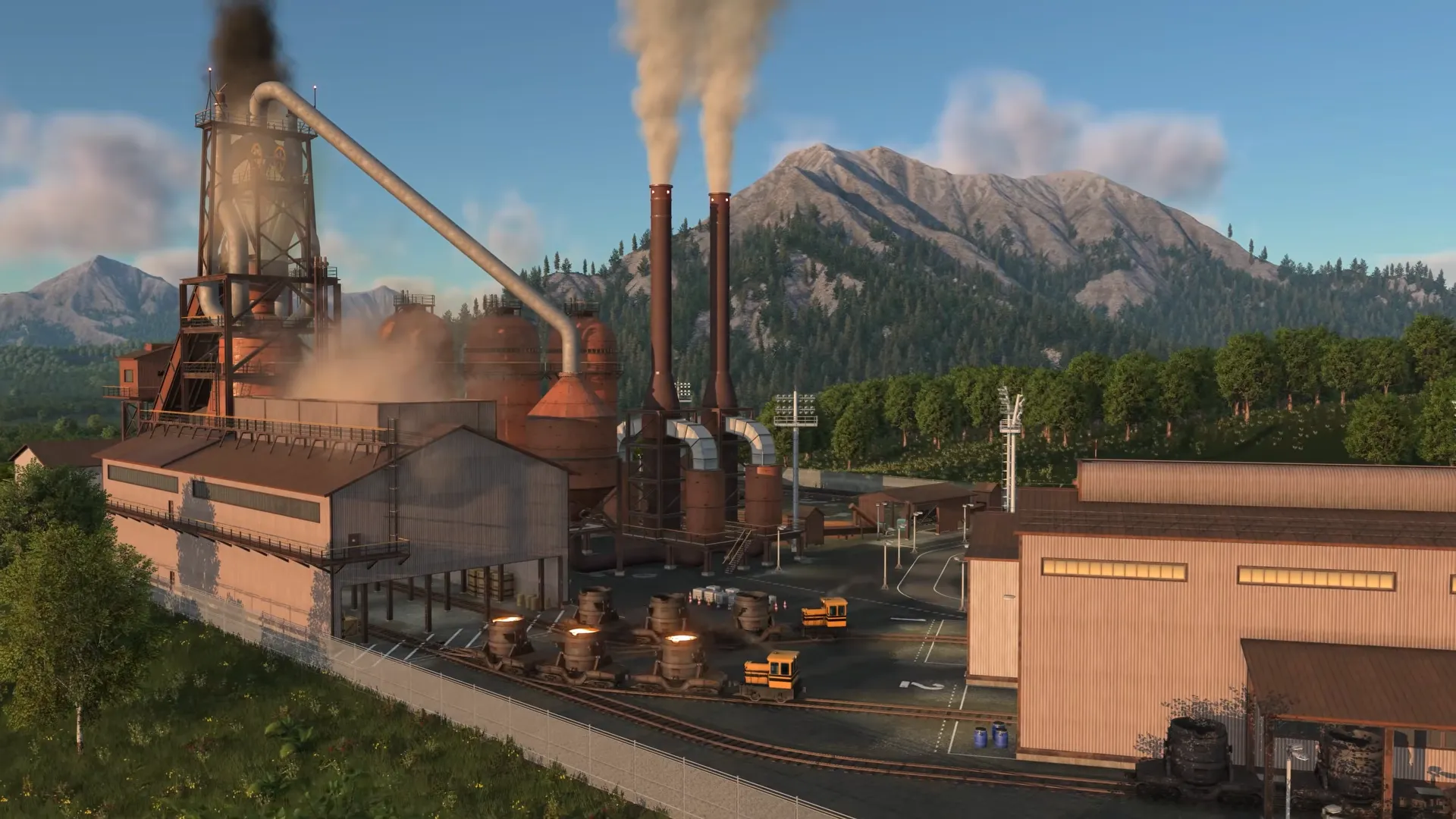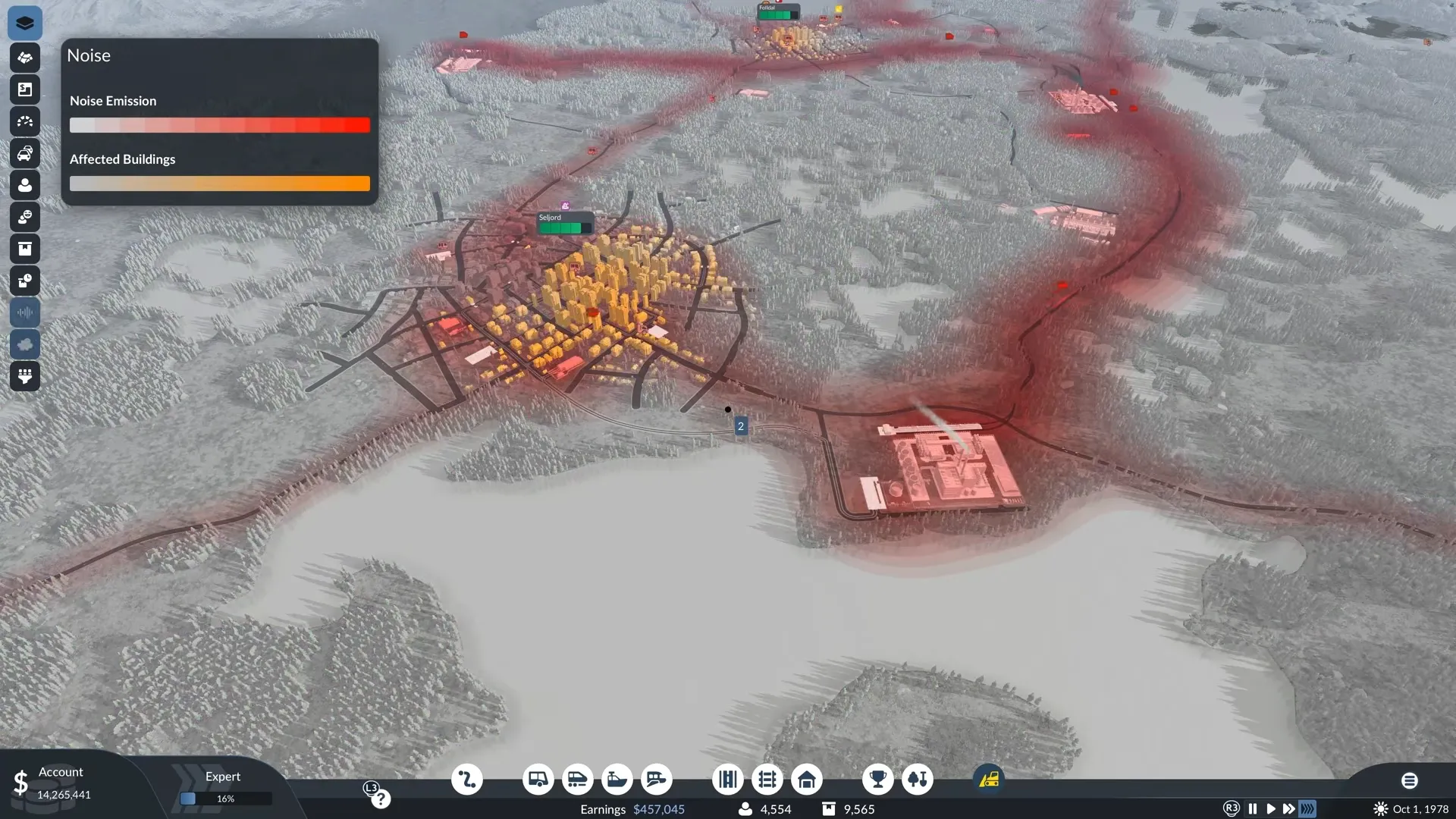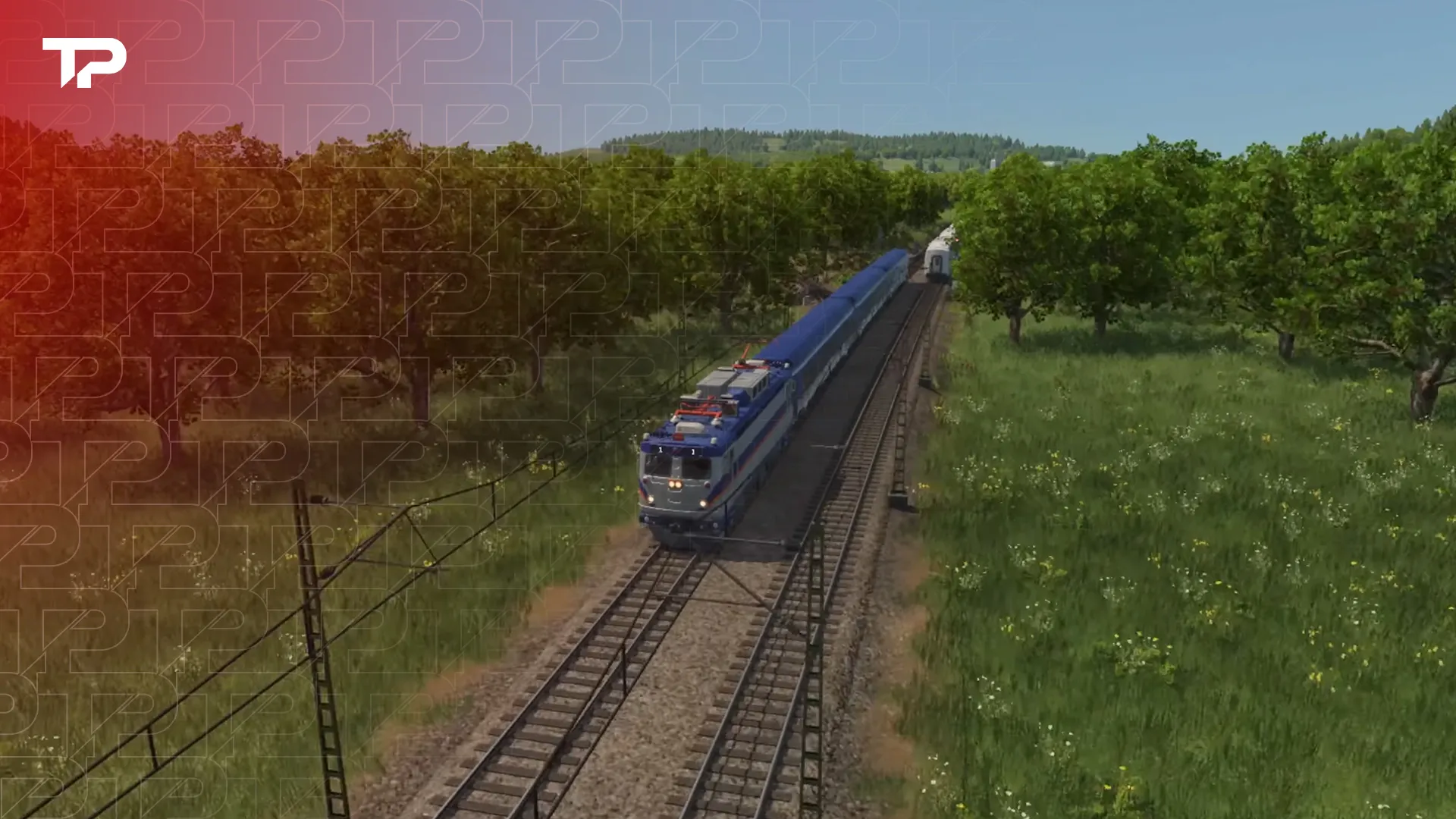


Transport Fever 3 trains cover 30 locomotives and 16 multiple units, and the depot will happily sell you the wrong one. The short answer is to buy for the job. Freight needs pulling force. Passengers need speed, though only as much as the coaches can use, and the yearly running cost matters more than the price tag.
For freight, I start with the Prussian Class T 3 and move to the Chinese Class JF1 in 1918. The EMD F-Unit takes over in 1949, and the Stadler Eurodual is my modern pick. Small passenger lines are easier, because the Uerdingen Railbus and the Talbot Talent 1 cover them for very little money. The tables below have the stats for every era, followed by fixes for the problems almost everyone hits, like cargo that refuses to unload.
What You Will Read:
Best Transport Fever 3 Trains by Era
The running costs here come from one save with Normal inflation, so use them to compare trains. For every vehicle name in the game, see our Transport Fever 3 Vehicle List.
1900 to 1939
| Train | Year | Stats | Best for |
|---|---|---|---|
| Prussian Class T 3 | 1900 start | 50 km/h, about 182,000 a year | Short starter routes |
| Russian Class OB | 1900 start | 60 km/h, strongest pull of the starters | Heavier early loads |
| 4-4-2 Atlantic | 1906 | 100 km/h | Passengers |
| Chinese Class JF1 | 1918 | 80 km/h, 250 kN | Freight |
| CE 6/8 II Crocodile | 1921 | 90 km/h, 1650 kW | Electrified lines |
| Pennsylvanian Class GG1 | 1934 | 160 km/h, about 1.95 million a year | Electric express |
| British Class A4 | 1935 | 145 km/h, about 1.32 million a year | Express trains |
Keep the Prussian Class T 3 on short routes with 50 km/h wagons, and plan for the 1913 Cargo car, which lifts capacity from 8 to 14. A Steam player who makes early trains pay on hard difficulty does the same, with the cheapest 50 km/h engine and four to eight wagons.
For passengers, pair the 4-4-2 Atlantic with the Russian suburban car from 1910, because both run at 100 km/h. I would not swap the Chinese Class JF1 for the CE 6/8 II Crocodile just because electric is new. The JF1 pulls harder and costs less per year.
1940 to 1979
| Train | Year | Stats | Best for |
|---|---|---|---|
| German Class E 94 | 1940 | 90 km/h, 363 kN | Electric freight |
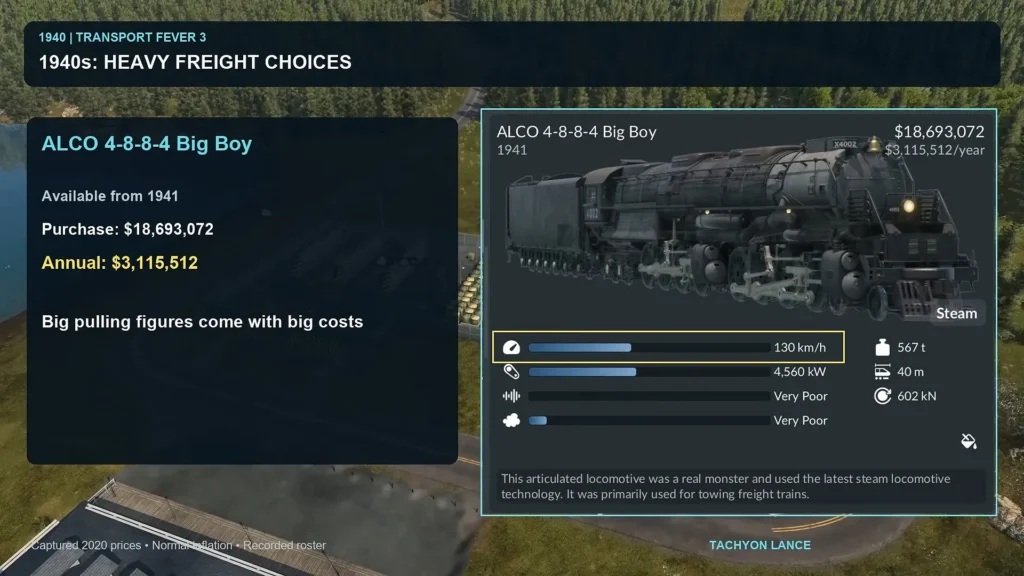
| ALCO 4-8-8-4 Big Boy | 1941 | 602 kN, about 3.1 million a year | The heaviest trains only |
| EMD F-Unit | 1949 | 130 km/h, 500 kN | Everyday freight |
| Uerdingen Railbus | 1950 | 15 seats, about 154,000 a year | Quiet branches |
| Shinkansen 0 Series | 1964 | 220 km/h, 160 seats | Busy express lines |
| Chinese Class DF5 | 1976 | 80 km/h, 325 kN | Slow freight |
| EMD AEM-7 | 1978 | 200 km/h, 4320 kW | Fast passengers |
Big Boy is the engine everyone wants, me included. It has 602 kN, but the locomotive alone weighs 567 tons and the yearly bill is about 3.1 million. The EMD F-Unit gives you 500 kN at the same 130 km/h for less money per year, so it is my default. On passenger lines, the Bombardier BiLevel coach from 1976 seats 35 at 140 km/h.
1980 and Later
| Train | Year | Stats | Best for |
|---|---|---|---|
| Chinese Class DF4B | 1984 | 120 km/h | Affordable freight |
| Japanese Class EF66 | 1989 | 120 km/h, more pull than the DF4B | Heavier freight |
| GE P42DC | 1995 | 160 km/h, about 2.06 million a year | Diesel passenger trains |
| Norwegian Class EL 18 | 1996 | 200 km/h, about 3.33 million a year | Electric express |
| Talbot Talent 1 | 1996 | 40 seats, 140 km/h | Regional lines |
| German Class 246 | 2008 | 160 km/h, about 1.43 million a year | Moderate freight |
| Fuxing Hao | 2016 | 350 km/h, 144 seats | Lines built for speed |
| Stadler Eurodual | 2018 | 160 km/h, 7000 kW, 500 kN | Heavy freight |
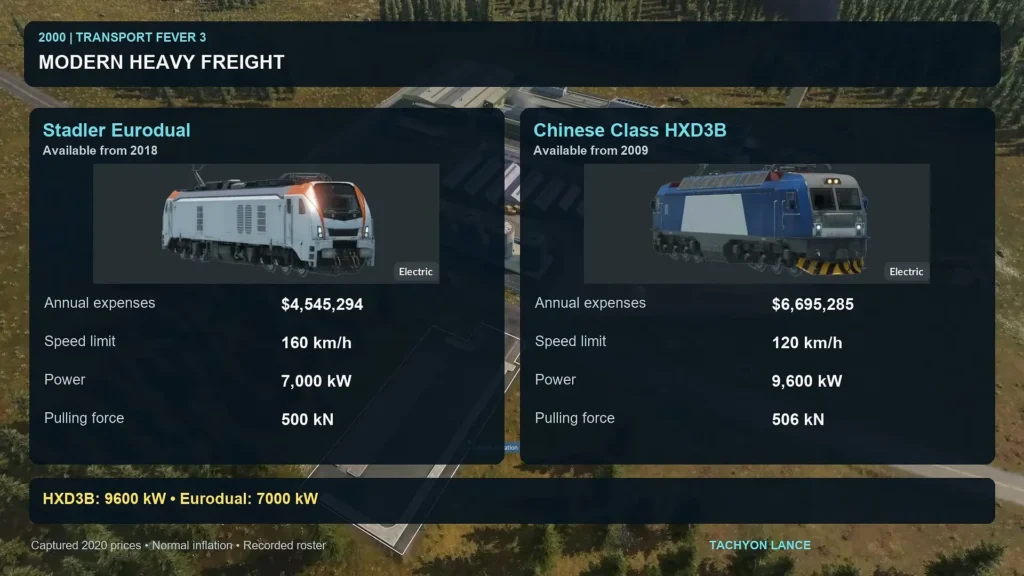
Power gets expensive here. The Chinese Class HXD3B and the Stadler Eurodual have almost the same pulling force, yet the HXD3B costs about 2.15 million more per year, so I buy the Eurodual. The German Class 246 is the budget choice at about 1.43 million a year, against 2.73 million for the German Class 185 at the same 160 km/h.
The showpiece is Fuxing Hao, which costs close to 8 million a year for 144 seats. Save it for a long line with few stops.
How to Pick a Train
Top speed is the stat everyone checks first, and on its own it tells you very little. I run every train through these four checks:
Match the Coaches to the Engine
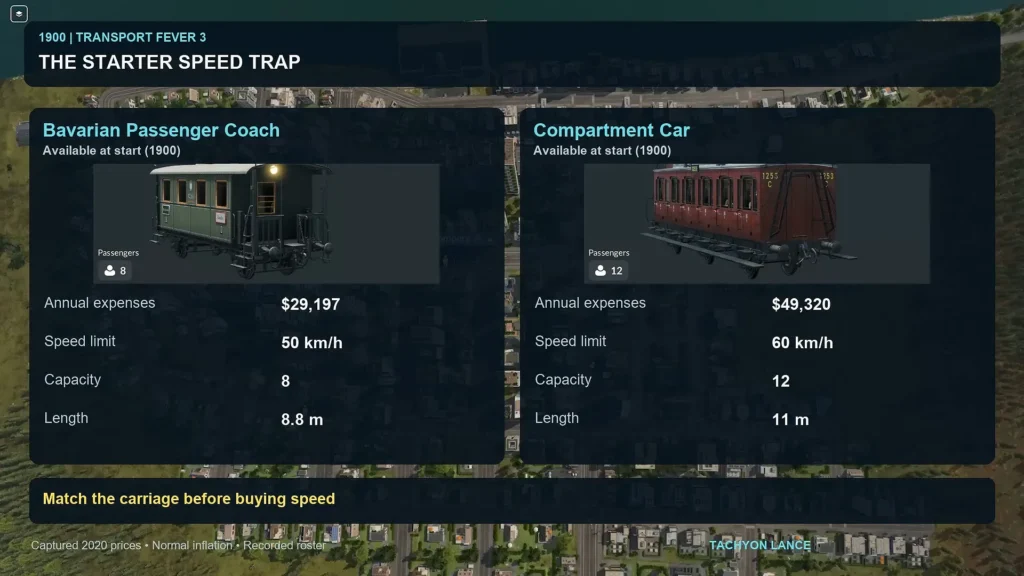
The Bavarian passenger coach is limited to 50 km/h, exactly like the Prussian Class T 3. Put it behind a 2-6-0 Mogul and you pay for 75 km/h the train never reaches. The Compartment car is the smarter early upgrade, with 12 passengers instead of 8 and a 60 km/h limit.
Freight Needs Pulling Force
The EMD AEM-7 reaches 200 km/h with 4320 kW. The EMD SD40-2 stops at 105 km/h, but it has 410 kN of pulling force, and that is what moves a long freight train.
Read the Running Costs First
The ALCO HH 600 costs almost the same to buy as the Prussian Class T 3, and its yearly bill is roughly twice as high. The running cost is the first number I look at.
Check the Performance Rating
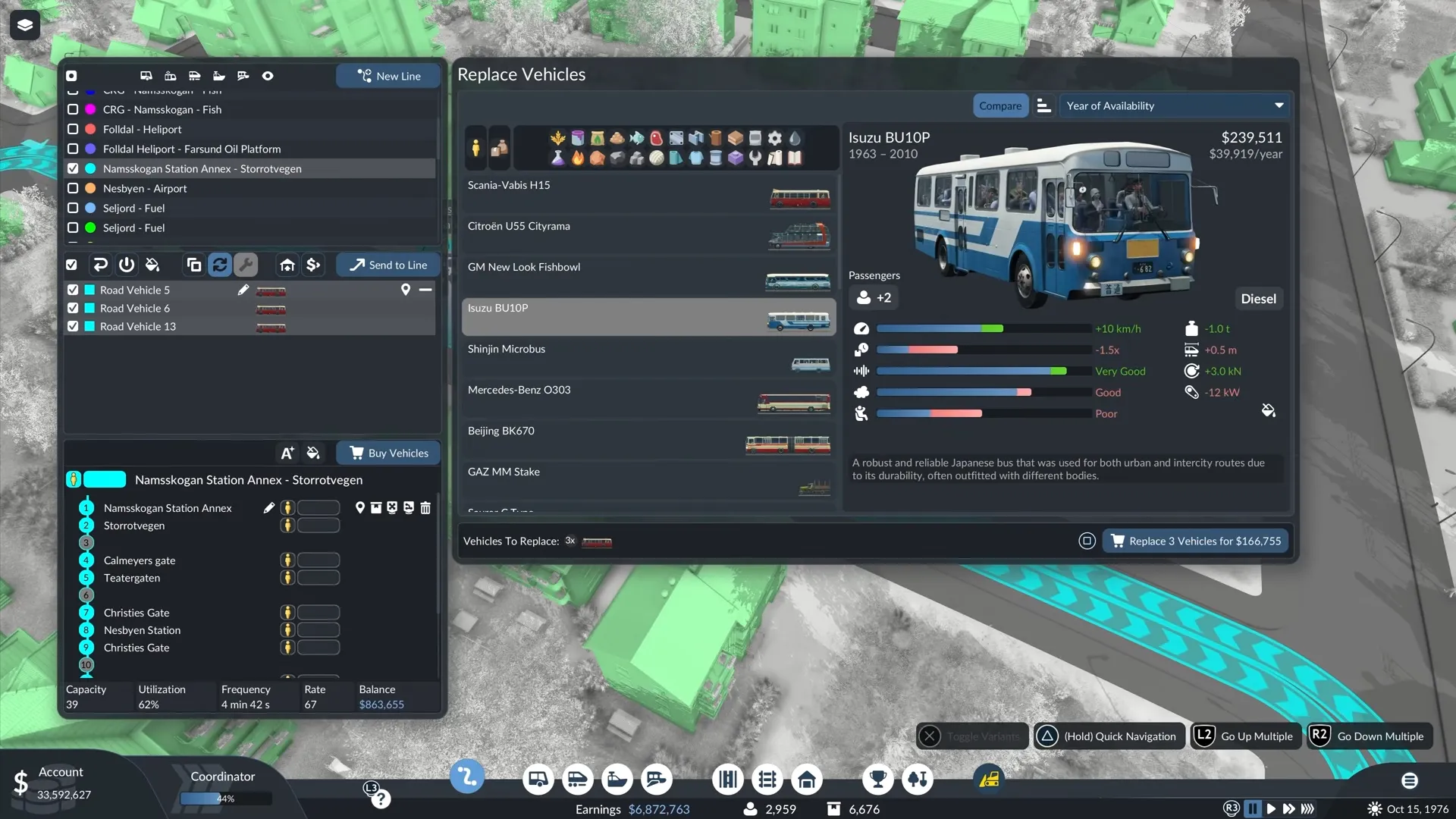
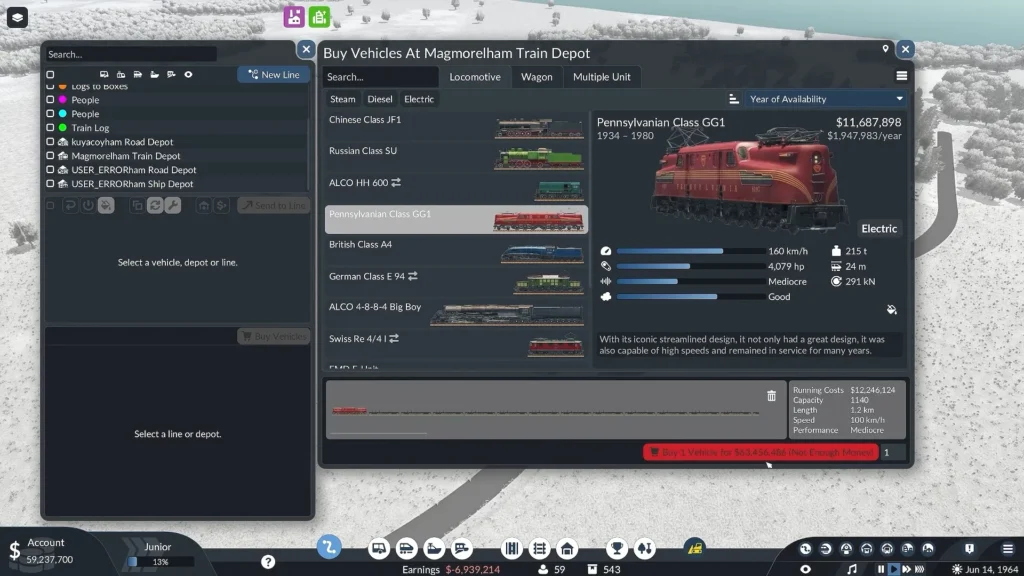
The buy window shows a Performance rating in the bottom right, and Good is the label you want. Add wagons and it drops to Mediocre and later Poor. A second locomotive lifts it again. Players on Steam say a Mediocre train can struggle on steep track, so check this before you blame the signals.
You can fix a weak train without a depot visit. In the line manager, click the wrench icon (Modify) next to the train and add or remove wagons.
Wagon Upgrades You Can Skip
A newer wagon is not always the better buy. These are the upgrades I would leave in the shop:
- A faster engine in front of slow wagons. The slowest vehicle sets the speed of the whole train.
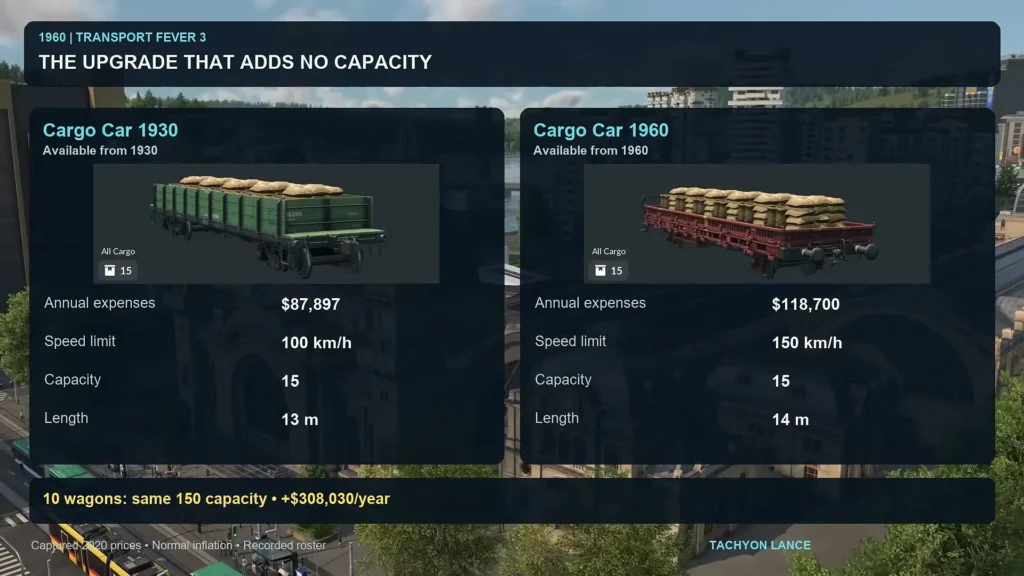
- The 1960 Cargo car on a slow line. It carries 15, the same as the 1930 version, and the yearly cost per wagon goes from about 88,000 to 119,000.
- The 1968 Stake car, if you want capacity. It carries 18 and the older one carries 20.
- A big passenger set on a line without the demand. The Shinkansen 0 Series costs about 5.28 million a year, full or empty.
One newer wagon does earn its place when platform length is your limit. The 2001 Gondola car carries 18 against 20 for the 1971 one, but it is shorter, so 160 m holds 13 of them with 234 units instead of 10 with 200.
Common Train Problems and Fixes
The same few questions keep coming up in the community since launch. These are the fixes that work.
Trains Block Each Other
Signals in Transport Fever 3 are path-based. A line with no signals counts as one section, so the second train just sits and waits. I place a signal every four or five train lengths, and closer together near junctions.
The Express Is Stuck Behind Freight
Priority is set per line. Open the line manager and use the priority buttons in the bottom right to rank the express above the freight line. Trains with higher priority also reserve track further ahead.
The Train Will Not Unload
Stations do not store cargo anymore. Goods go into a warehouse or straight to buildings inside the catchment area, and without either they stay on the train. Check the platform too. The game can pick the passenger platform by default, so zoom in and click the cargo platform for that stop. If a train leaves half empty on Full Load (Any), switch to Full Load All.
Mixed Passenger and Freight Trains
They work if you add the same station to the line twice, once for the passenger platform and once for the cargo platform. The train stops twice, so it is slow.
Light Rail: Trams on Train Tracks
This is my favorite new train feature. Some trams can leave the street and run on rail track, and they even stop at train stations. On a quiet line between two towns, that raises the frequency without another full train.
- Upgrade the road next to your rail line with tram tracks. The option sits in the road tool behind the spanner icon.
- Pick the tram tracks piece at the end of the small streets list. It is a tram-only road, so cars stay off it.
- Build rail track with catenary out of that tram-only road and connect it to the main line.
- Create a line that runs through the tram stops and along the rail track. A train station can be one of the stops.
- Buy trams that show the light rail icon in the tram depot. Trams without it cannot use rail track.
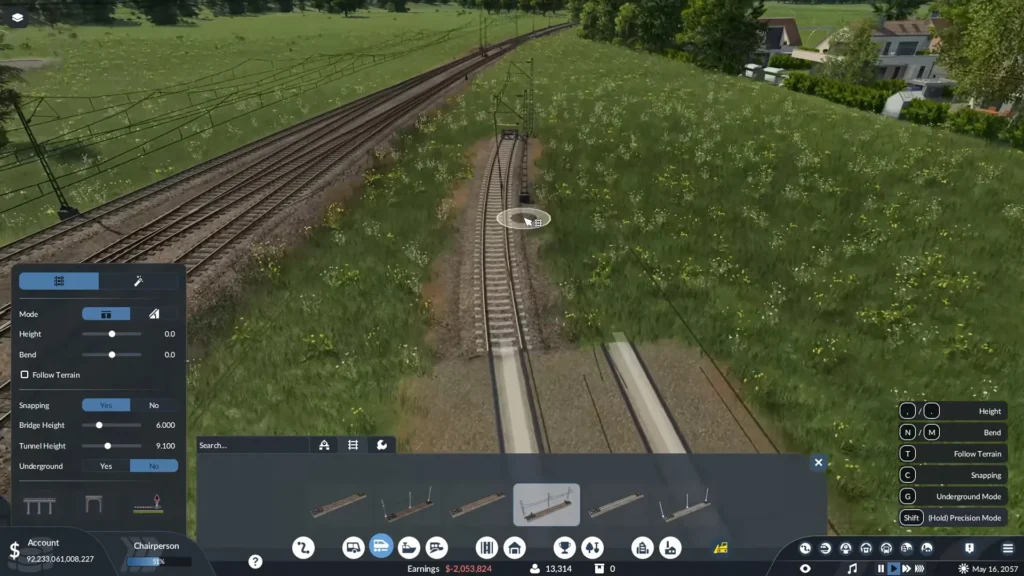
That is all light rail needs. For the rest of your network, start cheap with the Prussian Class T 3 and only upgrade when a train is clearly too small or too slow for its line. The tables above will be there when a new engine unlocks and you are not sure it is worth the money.