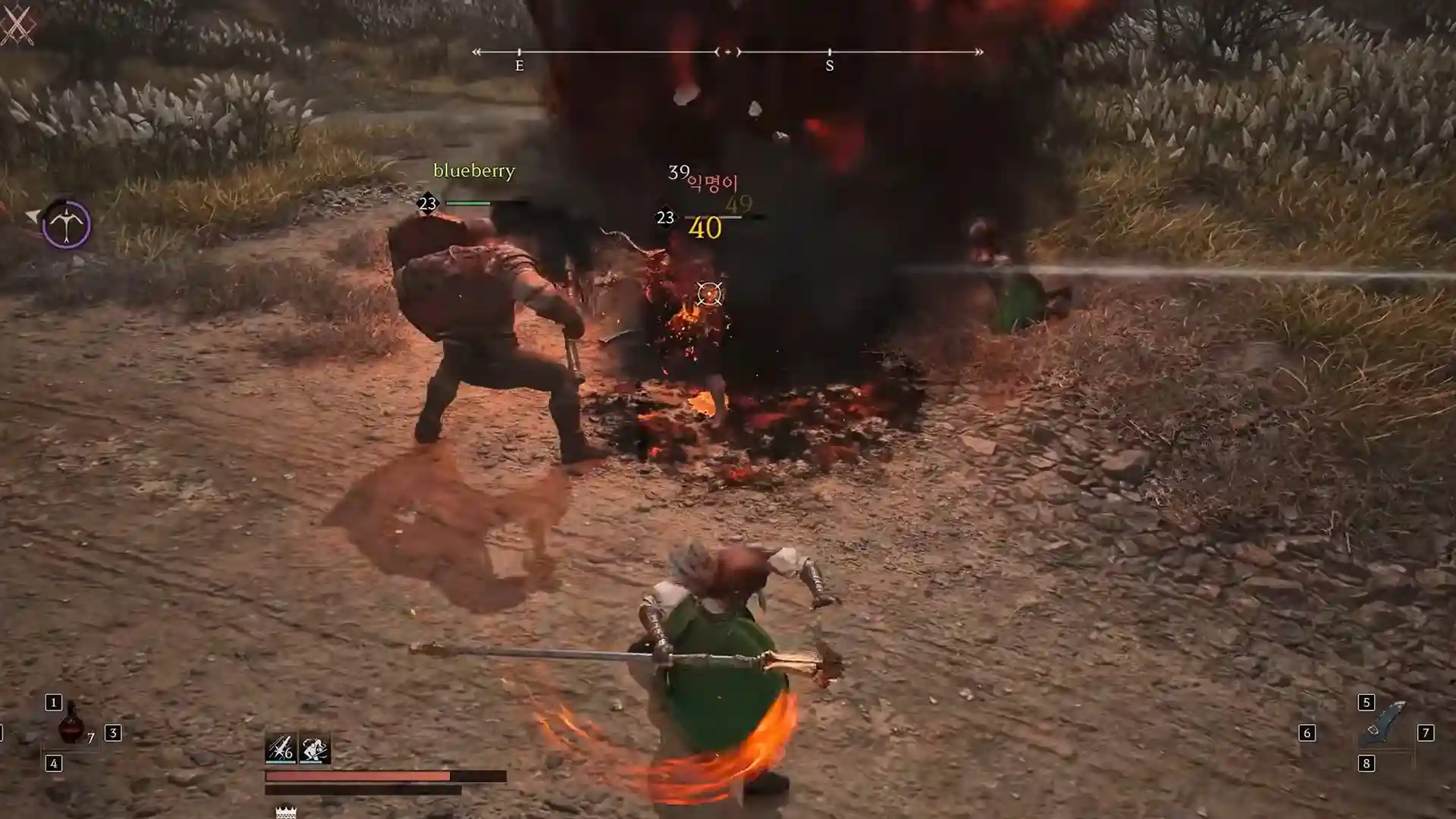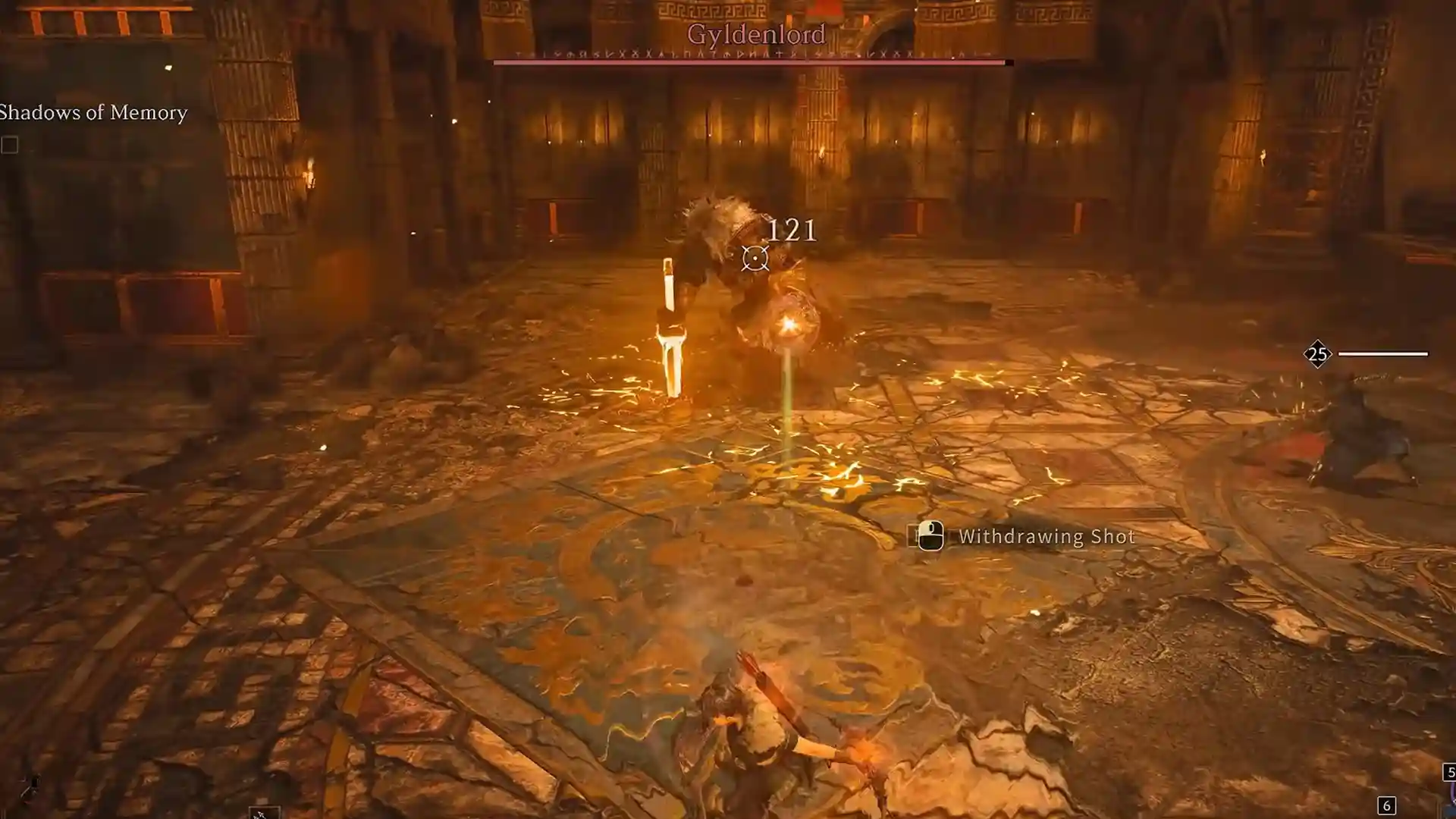


ArcheAge Chronicles can become confusing fast. There are four classes, a combat system built around parries and stamina, a stat and trait setup, and PvP. That’s a lot of game for 2-3 hours of quest content. So keep reading to master this game in 5 minutes.
Disclaimer: This guide is written based on the demo version and may change with the game’s full release. So check again later.
What You’ll Read:
Disclaimer: This guide sticks to what the demo actually has and will be updated with the full release.
ArcheAge Chronicles Controls
You can check or change your bindings from the menu: Settings, then Options, then Keyboard/Mouse. A Controller tab is in the same place. The keys below are the default keyboard layout.
| Action | Key | Action | Key |
|---|---|---|---|
| Light attack | Left mouse | Interact | F |
| Heavy attack | Right mouse | Jump / Climb down | Space |
| Block | R | Sprint | Left Shift |
| Evade | Left Ctrl | Crouch / Stealth | Left Alt |
| Swap weapons | Q | Walk/run toggle | Caps Lock |
| Special ability | G | Autorun toggle | Backslash |
| Target lock | Middle mouse | Quick slots 1-4 | 5 / 6 / 7 / 8 |
| Bag | B | Utility pouches 1-4 | 1 / 2 / 3 / 4 |
| Equipment | I | Character info | C |
| Traits | K | Quest journal | J |
| Map | M | Party | P |
| Records | V | Recipes | O |
| Emotes | L | Radial menu | H |
| Chat | Enter | System menu | Esc |
Combat System Explained
Combat is real-time action. ArchAge wants you reading enemies and choosing when to dodge, parry, or attack, and you can’t just mash buttons, or you will run out of stamina. Let me tell you what to do instead.
Attacks and Stamina
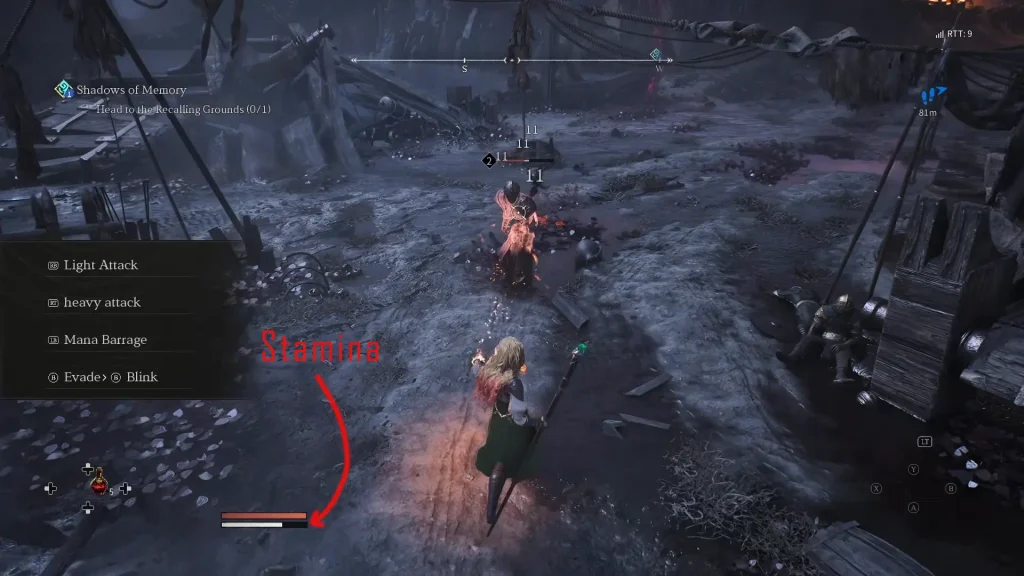
Left mouse throws light attacks and right mouse throws heavy ones. You chain them with movement into combos. Stamina limits how long you can keep swinging, and even light attacks drain it. Heavy attacks stagger enemies and interrupt whatever they were doing, so save them for a big wind-up.
Check your stamina bar before you start a long string. Running out of stamina mid-combo will be your death sentence.
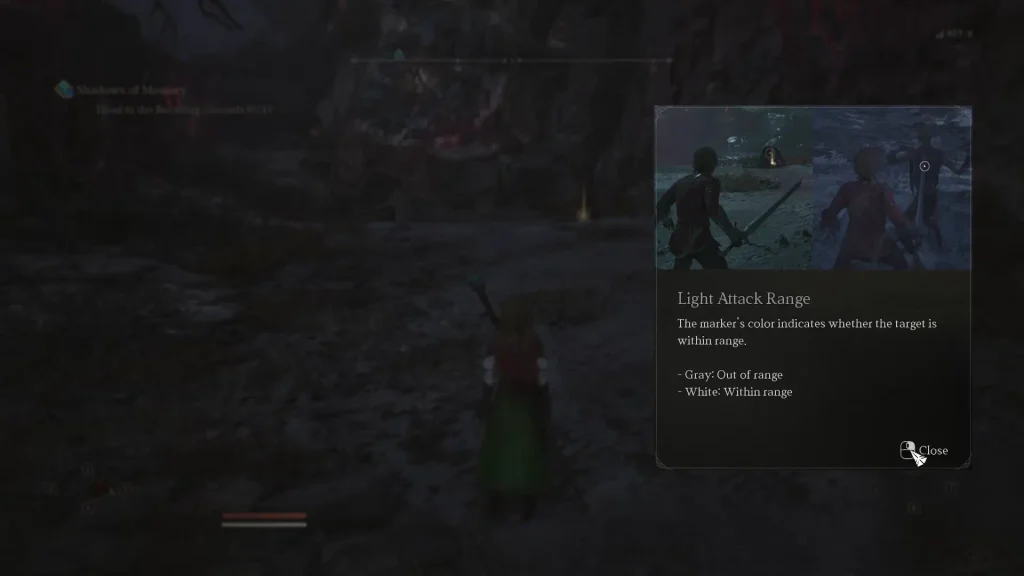
Parry and Counterattack
Parry is the star here. You can parry ordinary enemies, wild animals, and world bosses. And attacking after the parry makes a counterattack. The PvP preview adds that ranged attacks can be parried and reflected. Fortunately, the timing is not a nightmare, and you will get the hang of it after a while. Evade (Left Ctrl) is your backup option when a parry feels too risky.
Stagger and Weapon Swapping
Every class carries two weapons, and Q swaps between them mid-fight. Each weapon has its own skills, so a swap changes your whole toolkit, not just your damage.
Stagger is the other half. Enemies have an Exhaustion meter. Fill it, and they drop to a knee, which gives you a free heavy attack. Bosses had a similar window with a finishing strike.
Note: Several skills build up effects on enemies, and some skills hit harder when the effect is already there.
ArcheAge Chronicles Classes and Weapons
The demo has four classes, and each one has two weapons. Here’s how each one works:
The Warrior is the frontline melee fighter, with a longsword for parries and counters and a greatsword for heavy hits.
The Ranger is the mobile precision class, swapping between close-range hatchets and a longbow.
The Berserker plays aggressively and risky, with either a defensive axe and shield or a fire-and-thunder warhammer.
The Mage handles elemental burst and crowd control with a staff at range and a wavesword up close. There’s no tested class ranking, so pick whichever playstyle sounds fun.
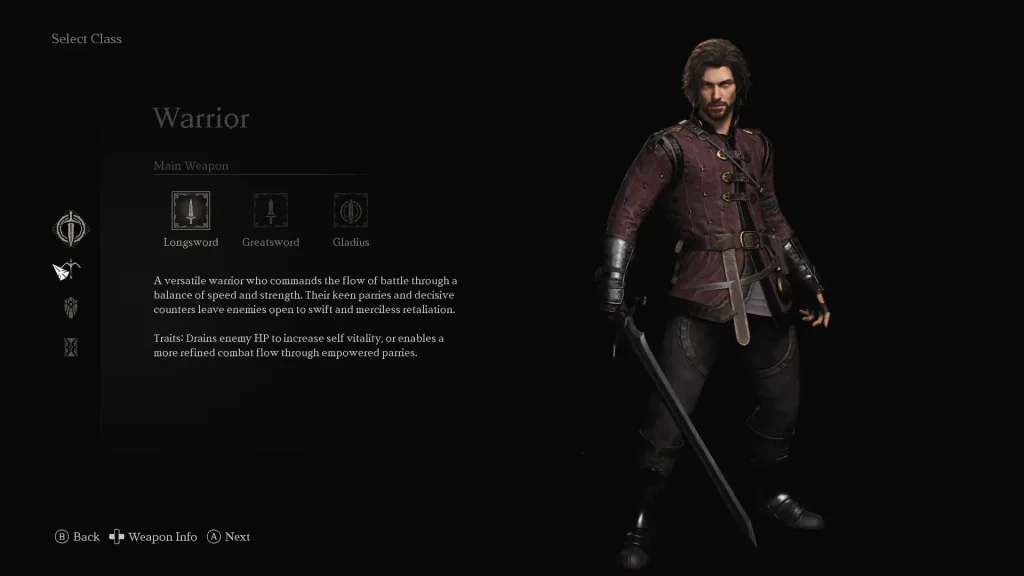
If you want to learn more and read full skill breakdowns, read our ArcheAge Chronicles classes guide.
Progression System Guide
This is how progression works in ArcheAge Chronicles:
How Leveling Works
You start at level 1. Quests, discoveries and POIs give most of your EXP, and monsters give less, so grinding mobs is the slow road. Each level gives you stat points. Trait points are a separate currency from a different source (more on that below).
The Six Attributes
Every attribute increase costs one point. You can preview the effect before you commit, so use it wisely.
| Attribute | Stated effect |
|---|---|
| Strength | Physical attack |
| Intelligence | Magic attack |
| Agility | Critical chance and physical attack |
| Constitution | HP and critical resistance |
| Endurance | Stamina and defense |
| Talent | Magic attack and better equipment without penalties |
Pro-Tip: Endurance is the one I’d watch, since stamina runs your whole combat loop.
Weapon Trait Branches
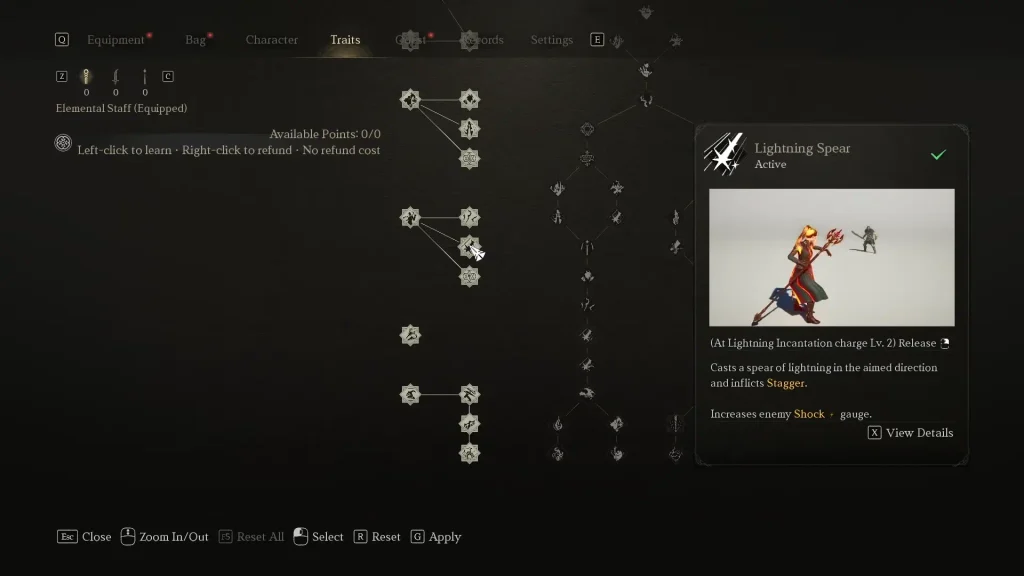
Each weapon has trait branches that add stats, skills or skill variants. Open the Traits menu with K. The offense branch has Armor Break, and Sunder turns into Sweeping Slash, a two-hit attack with a wider cleave. The defensive branch has Pummel Strike, which guards while you attack and gives you a damage shield. Costs, trees and variants may still change.
Raeven’s Coilstones and Nui Tears
Coilstones give you trait points once you defeat the nearby boss. Those bosses can be in the open world, hidden or tied to a quest.
Nui Tears are spent at Nui Statues to raise your max HP. Each tear costs more than the last, so the early ones are the cheap ones.
Exploration and Rewards
Exploring pays more than fighting. Quests, discoveries and POIs give most of your EXP, so walking into a new area beats farming mobs. Chests open once per character for gear or rare recipes, which means you can’t farm them. Field bosses drop gear, accessories and exclusive crafting materials. Navigation clues are also clearer than they were in September.
Towers need riddle items to enter. Clear every tomb in a zone and you get a unique accessory. You also unlock Hereafter Challenge, a random strengthened zone boss with a timed leaderboard.
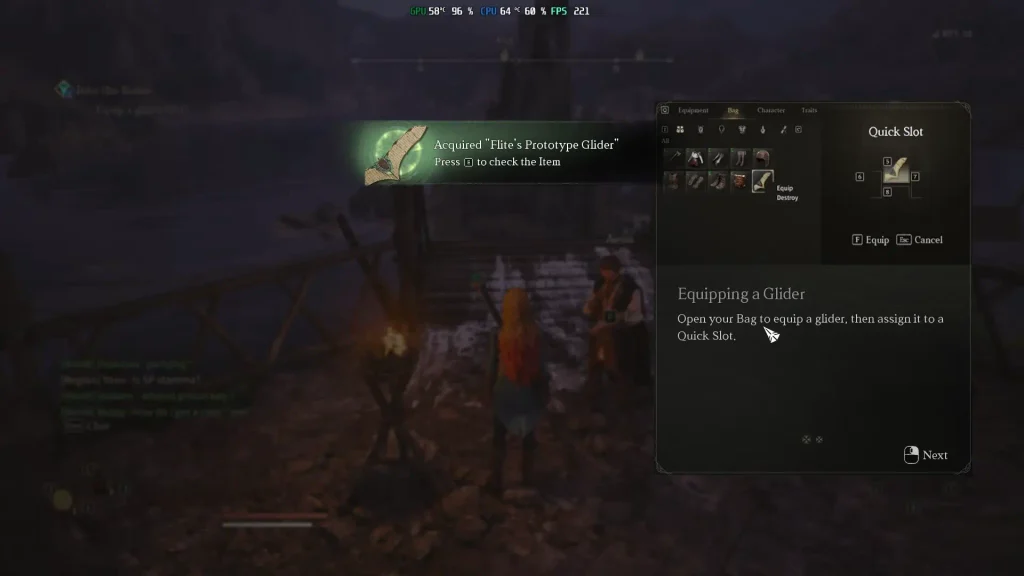
You will find potion-cooking, animal-skinning and glider quests while exploring. You can also gather berries, flax and beach clams, and chopped trees. Around the pirate camp, you’ll find resurrection shrines and berry and cooking stations. Mine and pirate-outpost entrances lead to instanced areas that allow companions, though that player cleared them solo.
Parties and PvP
Every zone is split into channels of about 100 players, though the cap varies. The game assigns you one. Parties travel together, and friends can join you. Some POIs and dungeons are private to you or your party.
Parties and Quest Sharing
Dungeons take solo players or parties of up to four. Party members share quest progress, which is new since September. Joining the same channel and exploring co-op POIs together also got fixes. Open the Party menu with P.
PvP Channels
Standard channels block player attacks. PvP channels allow them, except against party and guild members. Zones, monsters and quests are otherwise identical. You switch channel type at a Nui Statue. A cooldown stops you from escaping a fight instantly, but the length isn’t published.
PvP opens after you leave the first town and reach the Nui Statue at the next destination, which is earlier than normal progression requires. Ranged attacks can be parried and reflected, so think twice before spamming arrows at a Warrior.
PvP Rewards
Monster kills in a PvP channel give 10-15% extra EXP, and that number may be tuned. Monsters are a small slice of your total EXP, so it’s not a 10-15% faster level. Player kills give no loot or materials. The demo only tracks kill logs and achievements, and there are no scheduled battles or objectives. I’d switch only if you want the fight itself.
That covers every ArcheAge Chronicles system you can try in the demo right now. Found the Throne of Hinnon key yourself? Drop the location in the comments and I’ll add it to the guide.
FAQ
Does demo progress carry over to Early Access?
No. The developers confirmed that progress and save data won’t transfer. Treat your demo character as a free trial and experiment freely.
Can I get cosmetics without paying?
You can find a chest armor skin within 20 minutes, plus a sailor outfit and pirate hat, in the demo.
Can I play solo?
Yes. You can.

ArcheAge Chronicles