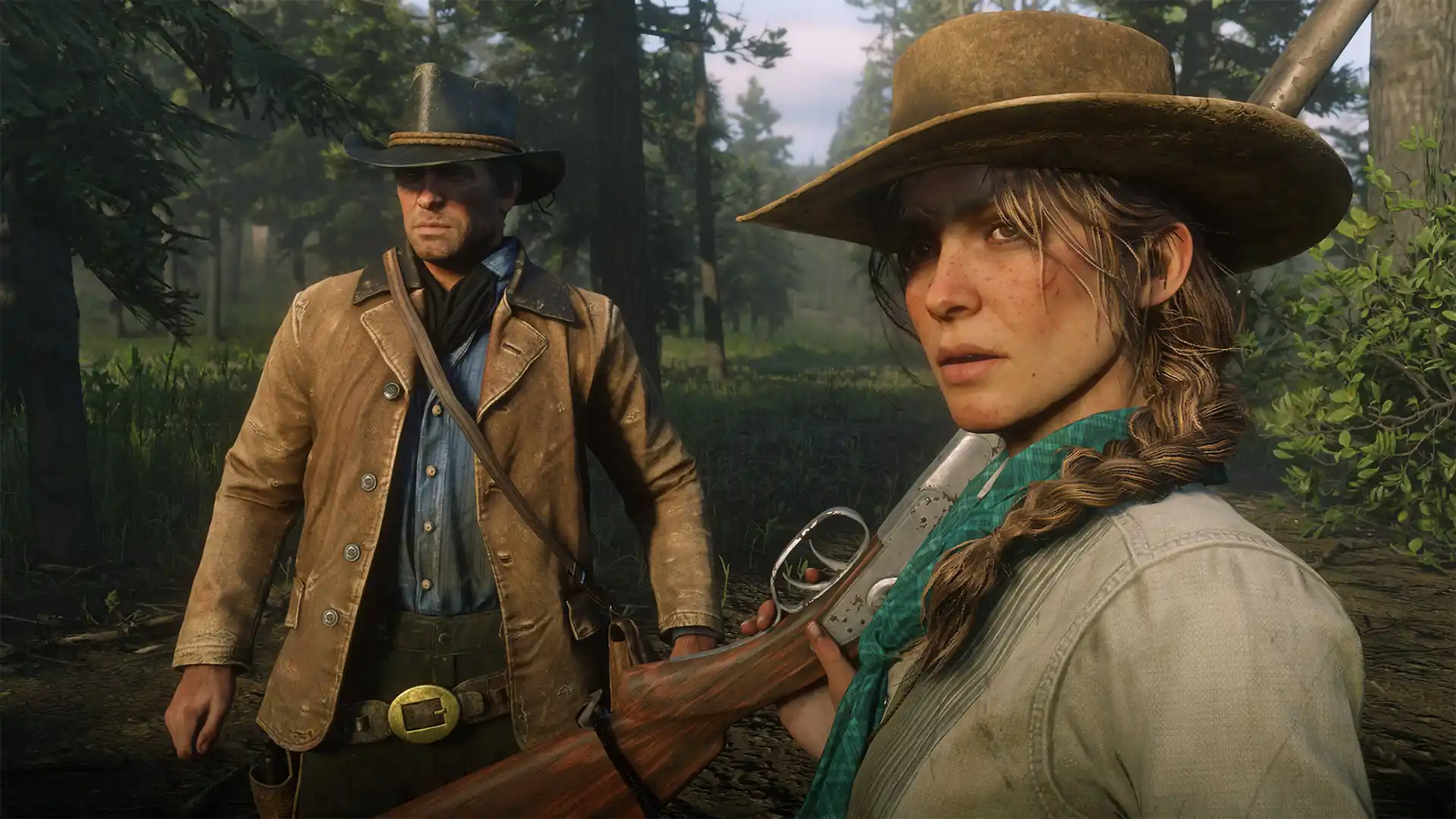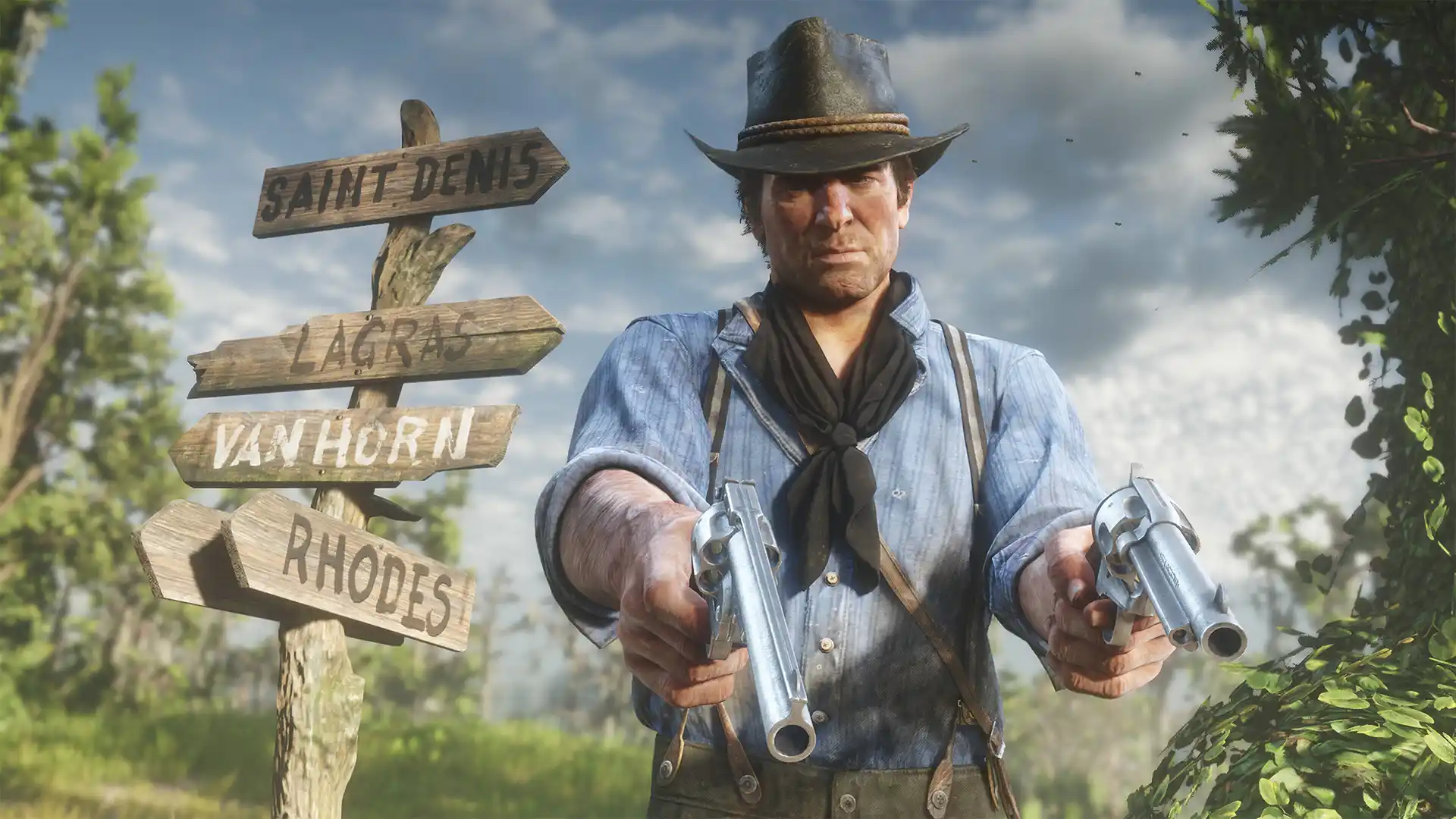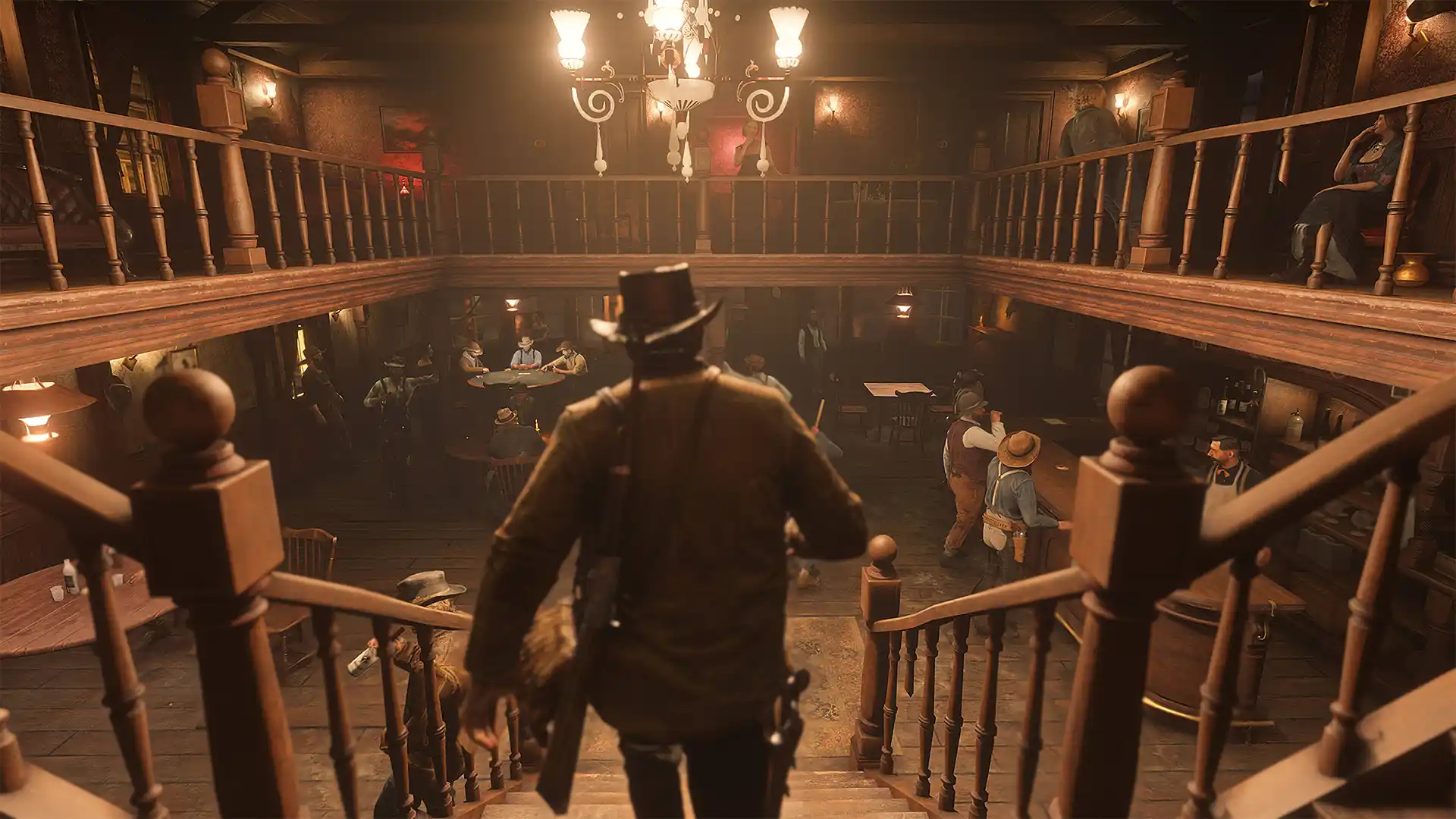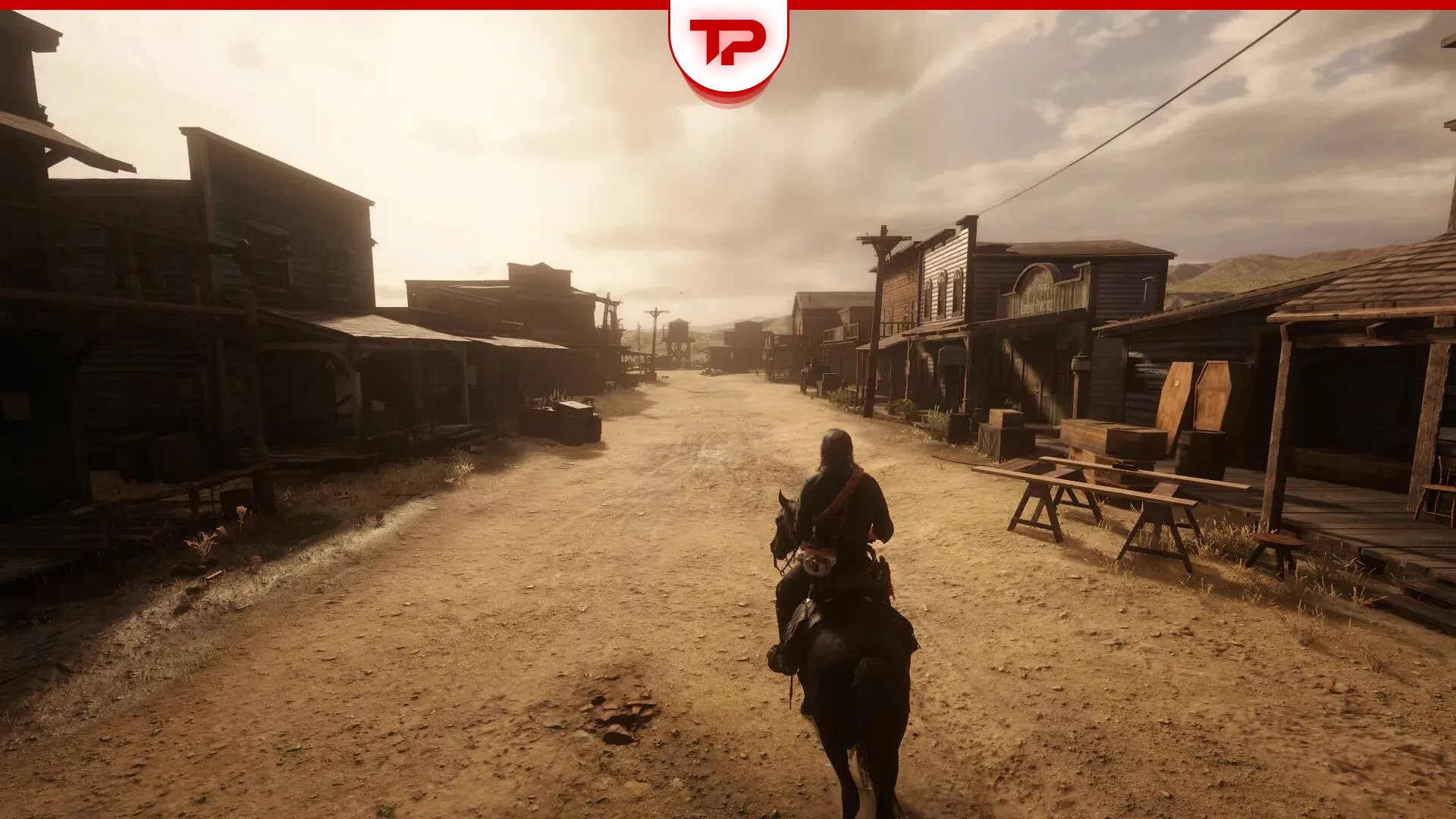


The towns in Red Dead Redemption 2 are fictional, that’s for sure, but Rockstar Games obviously borrows from real American places. That’s because the game is set in the American Wild West. Although they didn’t just copy the map of the United States exactly.
What they did instead was mix names, layouts, industries, and landscapes from different real towns to build a a condensed version of America, which gives us some matches that are very clear and some matches that come down to everyone’s best guess. All right, cowboys, saddle up and let’s ride.
Table of Contents
Saint Denis in Real Life
Saint Denis is hands down the easiest town to match with a real city. This is the very same city that Dutch Van der Linde hates and it’s mainly based on New Orleans, Louisiana. How do we figure that out? Let’s see. Both cities sit along a major river and they’re surrounded by swampy land.
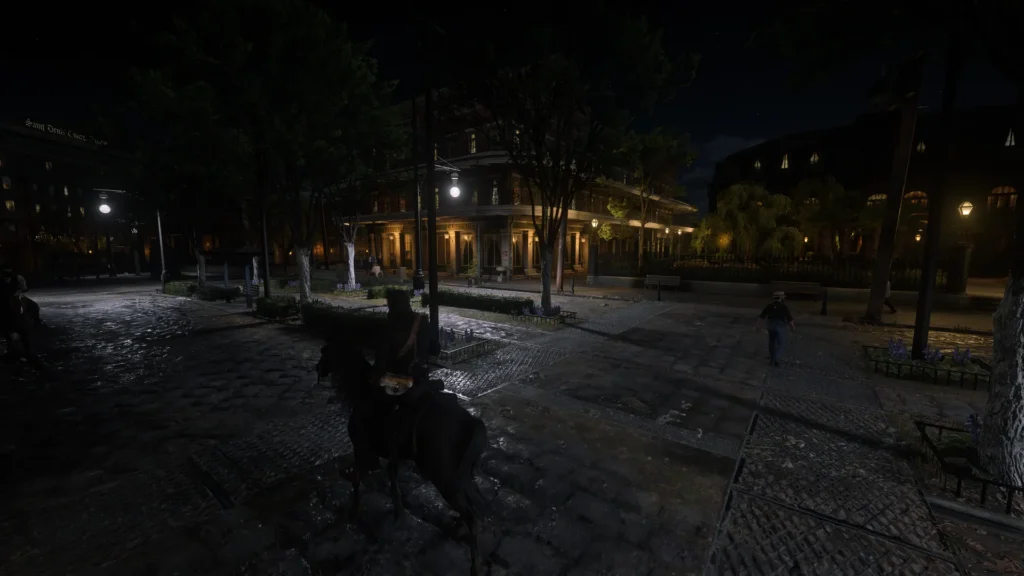
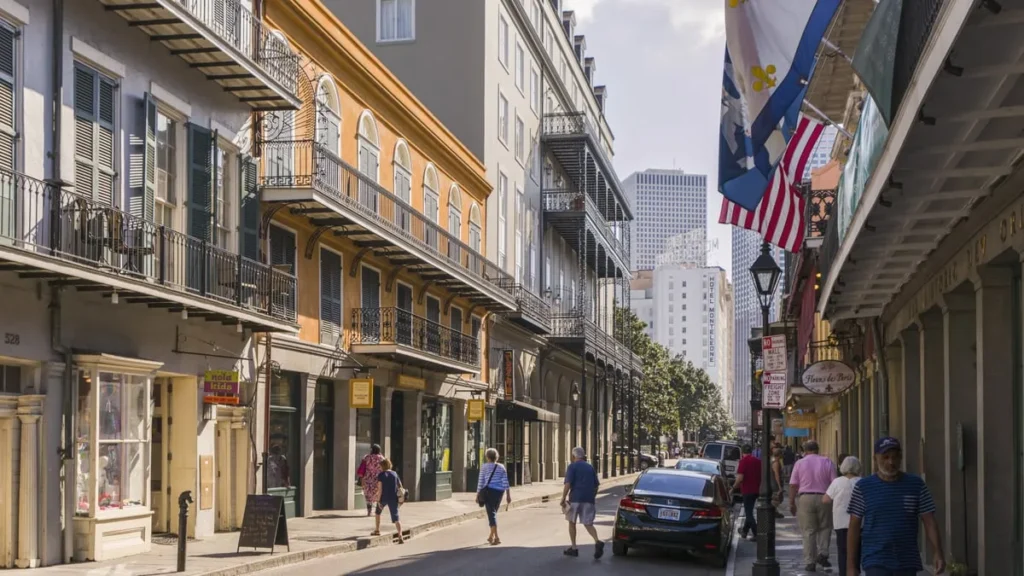
Saint Denis also has French architecture, streetcars, busy markets, above-ground graves, and a strong French and Creole influence. I’ve seen that some people have compared it to Charleston, South Carolina, but the New Orleans connection, in my opinion, is much stronger.
Valentine in Real Life
Valentine appears to represent a classic Western cattle town. It’s the first town Arthur and the gang visit in Chapter 2. My first pick for Valentine’s inspiration is Cheyenne, Wyoming. There are several reasons for that.
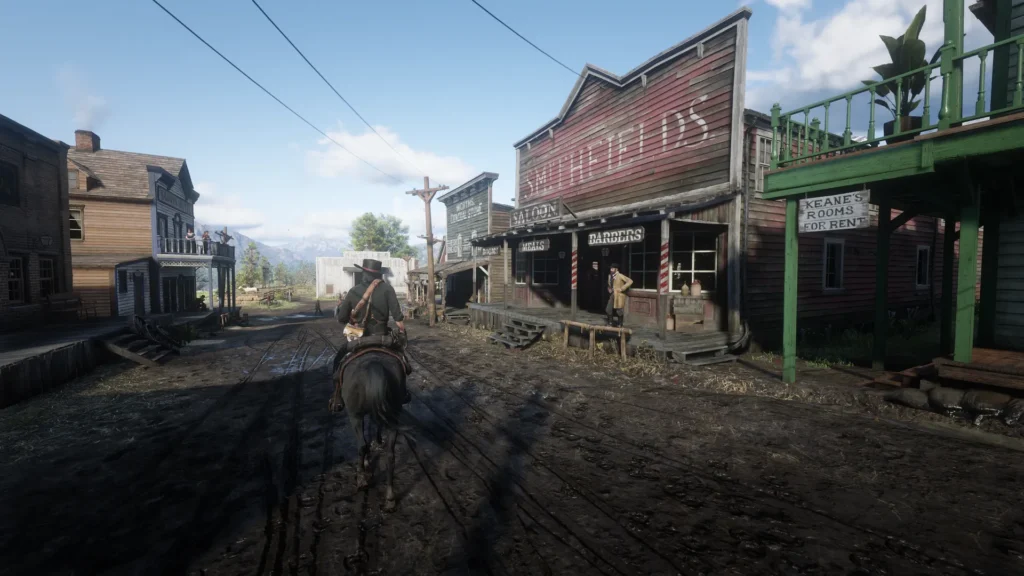
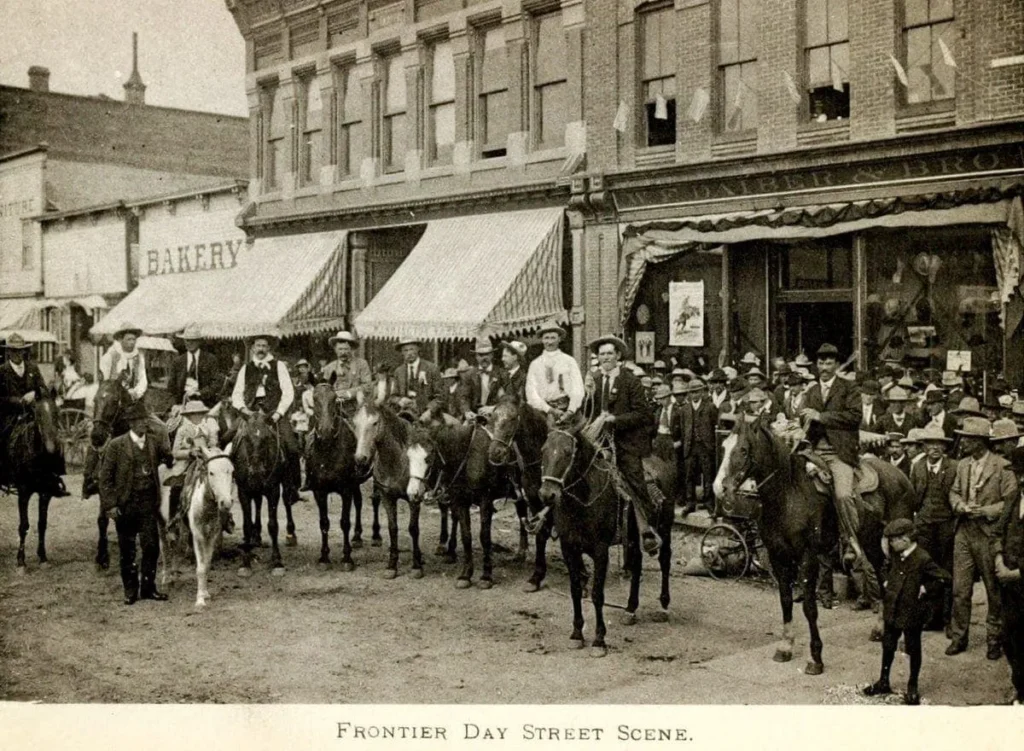
Its railroad, livestock trade, saloons, ranchers, and cowboy culture make Cheyenne the strongest choice. In one way or another, it might represent Valentine and Omaha (Nebraska), Deadwood (South Dakota), and Topeka (Kansas). It surely isn’t a copy of one town, but a mix of several frontier settlements that were built around cattle and rail travel back in the day.
Blackwater in Real Life
Blackwater is closely linked to the real Blackwater, Missouri. Both towns share the same name and sit near a river. Take a look at this picture and tell me they aren’t similar.
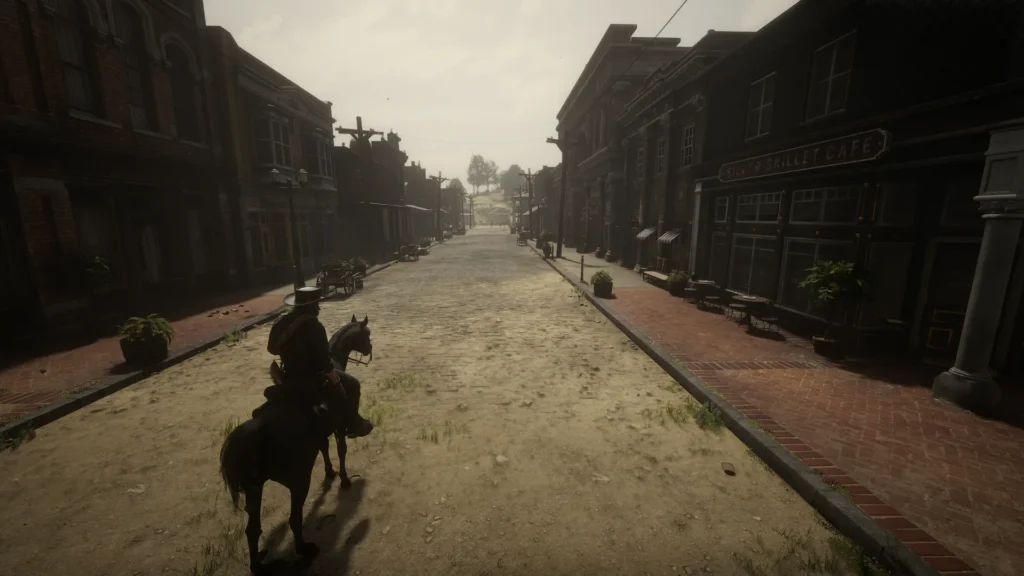
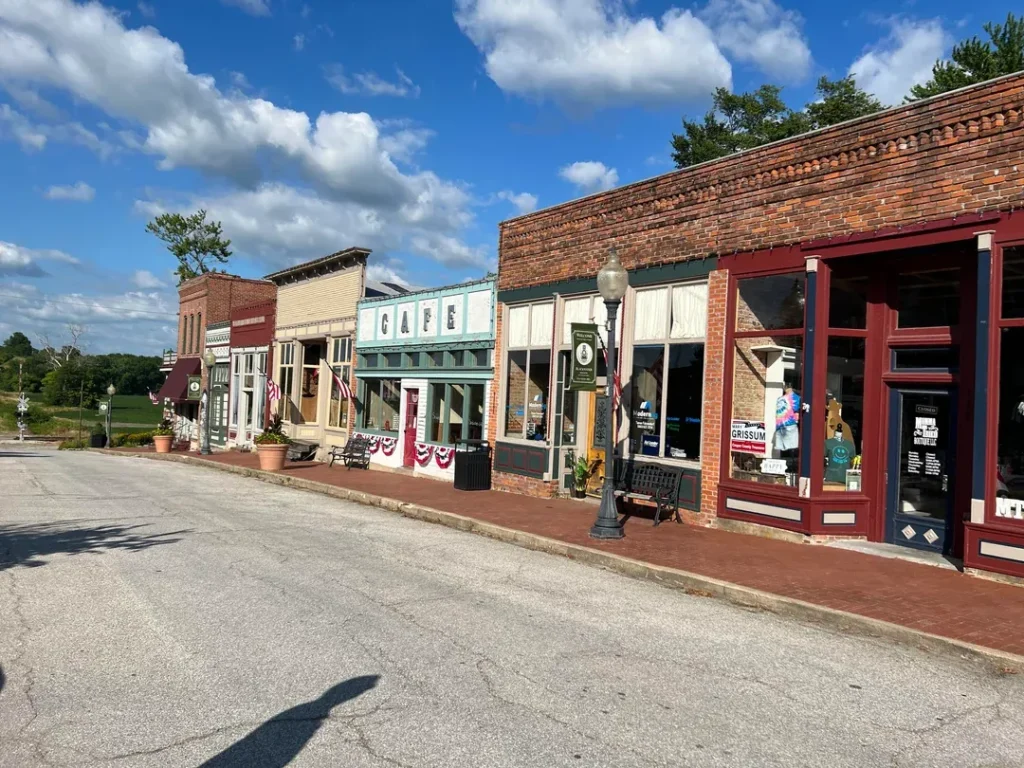
The in-game version, though, is much larger and more important. Its paved streets and its role as a gateway between the East and West also make it feel like a smaller version of St. Louis, Missouri.
Strawberry in Real Life
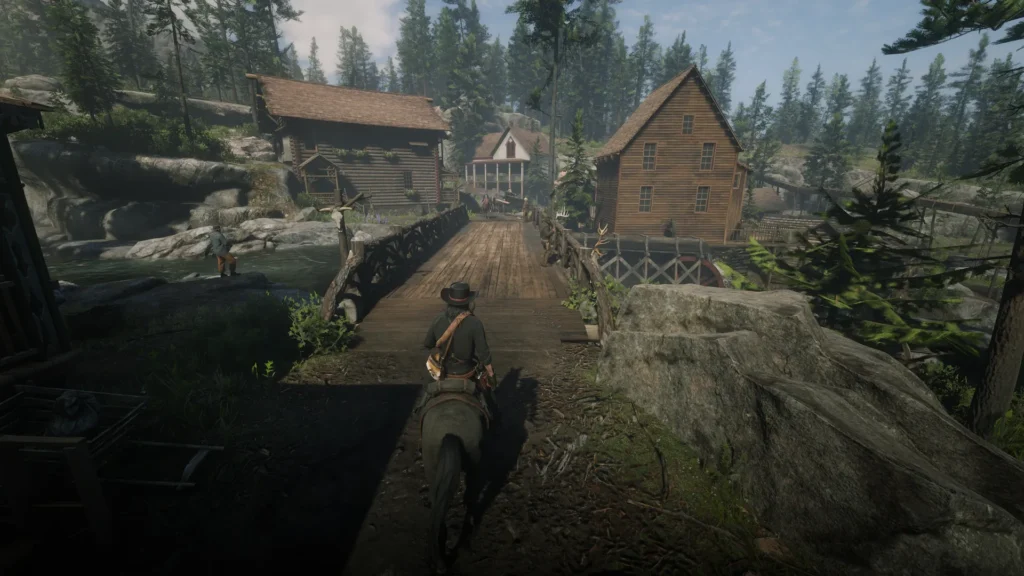
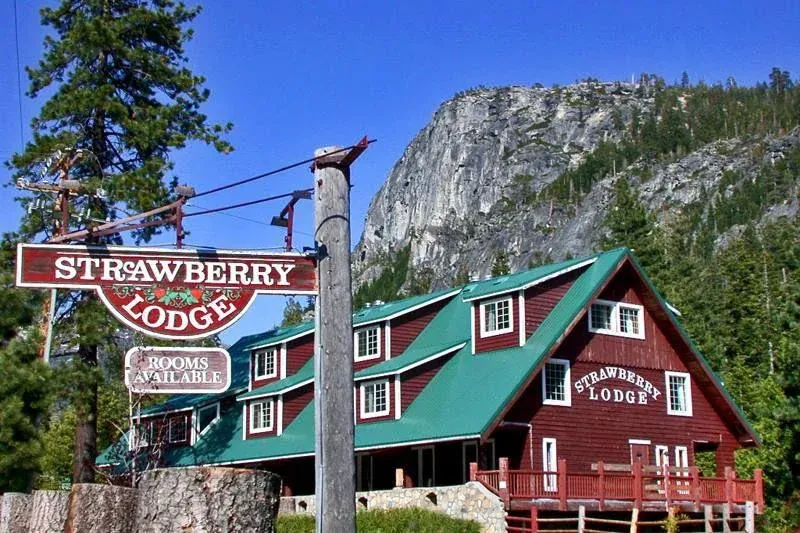
Strawberry is likely inspired by its real-life counterpart, the real Strawberry, California. Both are small mountain towns. The real town became a quiet resort after the Gold Rush and was also a stop on the Pony Express. This fits the game’s version, which is trying to attract wealthy visitors with its peaceful setting and natural beauty.
Annesburg in Real Life
Annesburg combines several coal-mining influences. The dangerous mining business and its harsh working conditions strongly resemble old Appalachian coal towns, especially in West Virginia and nearby states.
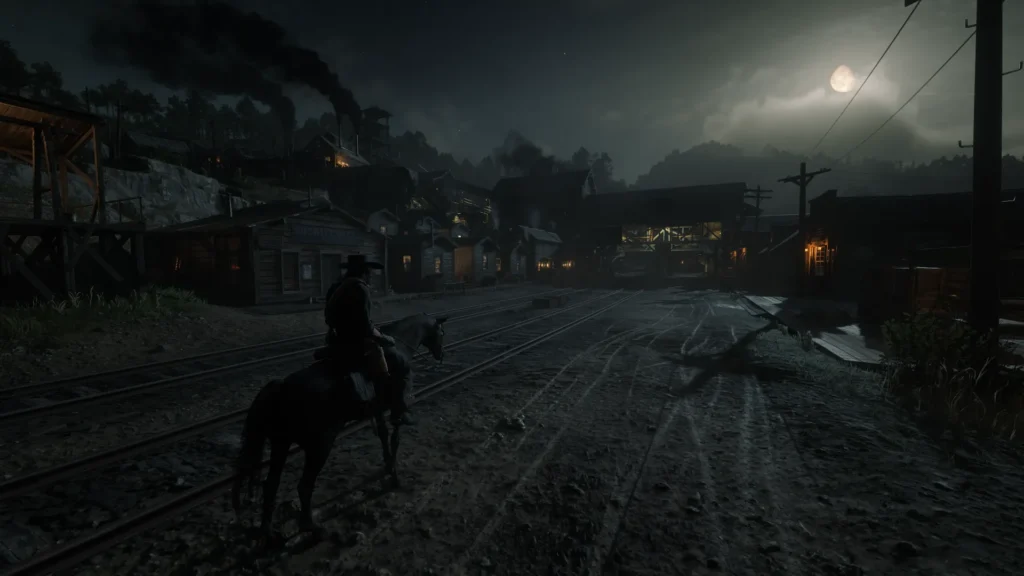
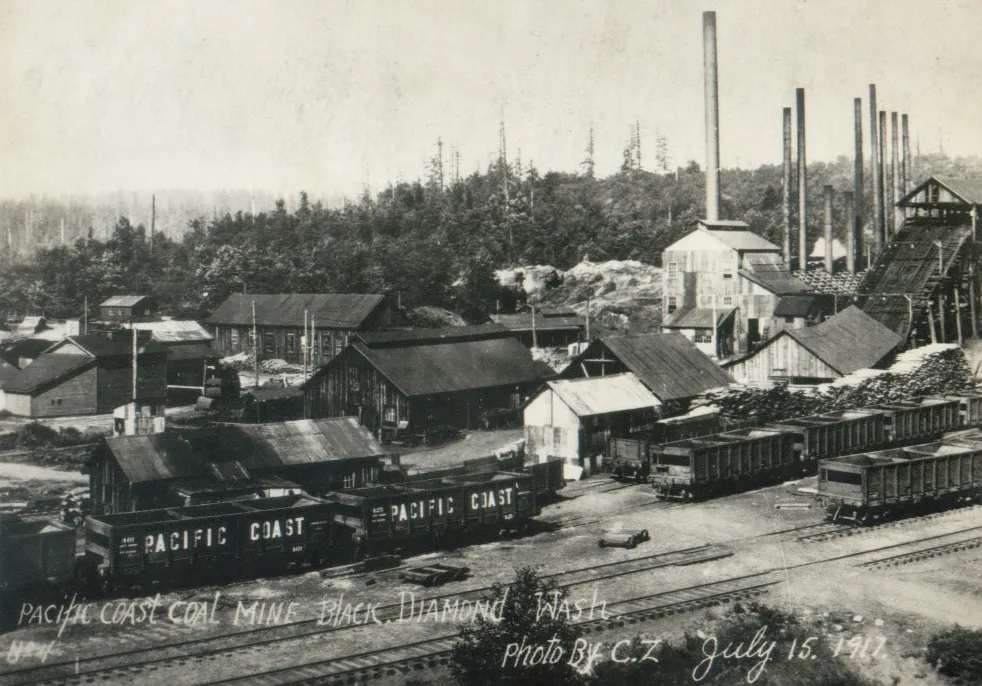
It may also draw from the Black Diamond Coal Mining Company in Pittsburg, California, which controlled businesses and much of daily life at the time.
Van Horn Trading Post in Real Life
Van Horn most closely resembles Natchez Under-the-Hill in Mississippi. Both were riverport areas known for docks, taverns, gambling, crime, and a generally rough reputation.
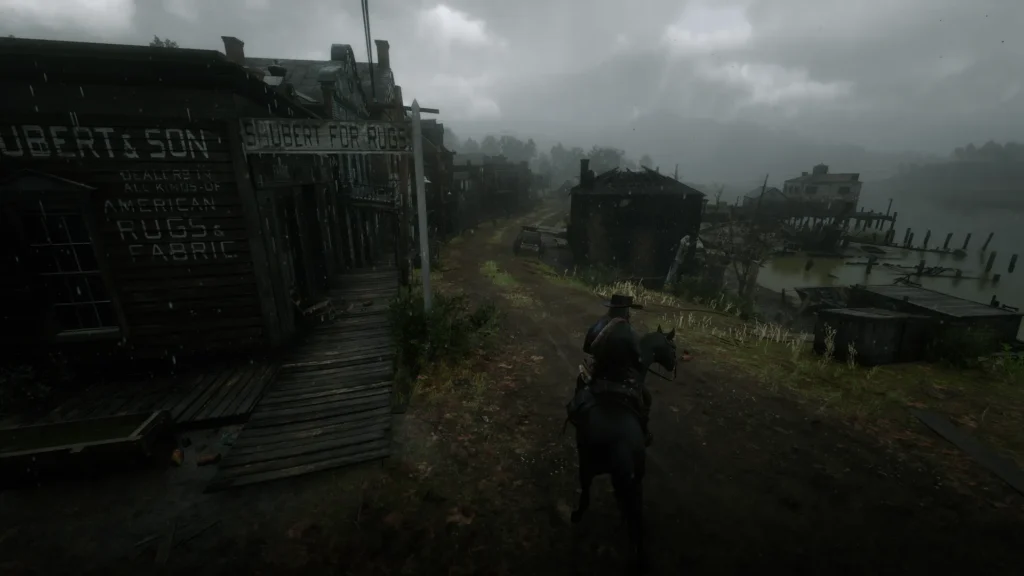
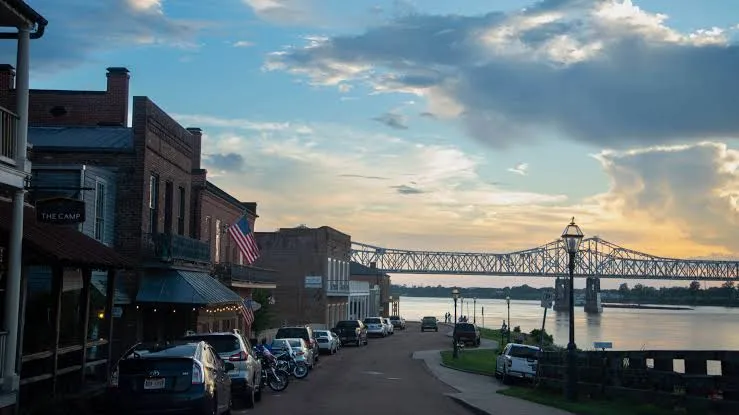
The buildings and lawless atmosphere make this one of the stronger town comparisons in the game. This picture should give you a clear idea of what I’m talking about.
Rhodes in Real Life
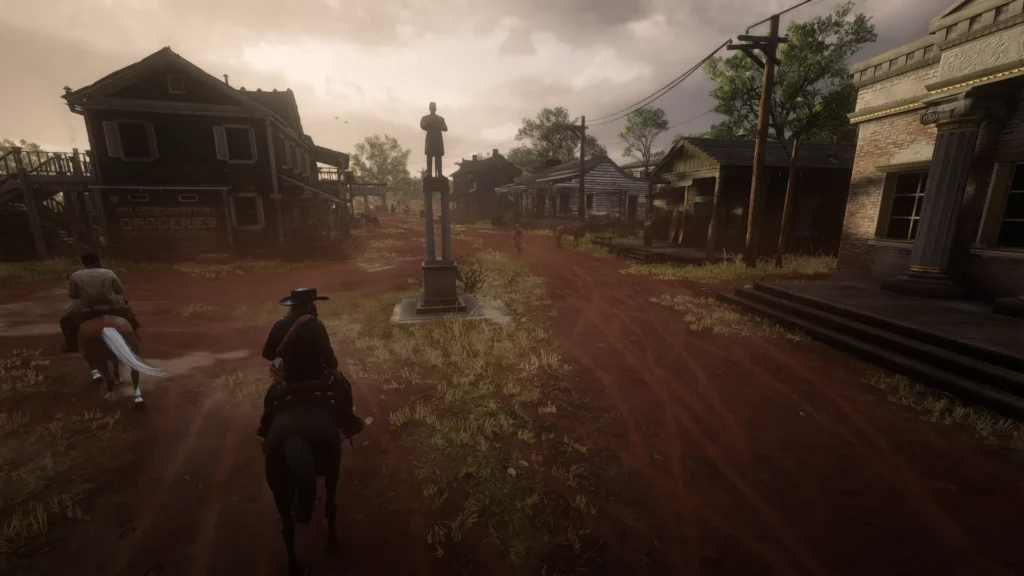
Rhodes is interesting because it doesn’t seem to be based on one specific town. It represents a typical Southern plantation market town. You know, its red dirt, farms, a plantation economy, and that cool Southern vibe give Rhodes similarities to parts of Louisiana, Mississippi, Georgia, Alabama, Florida, and East Texas.
Butcher Creek, Armadillo, and Tumbleweed in Real Life
I think most y’all can see that Butcher Creek resembles isolated Appalachian communities. That’s because of its isolation and distance from larger towns. Armadillo generally looks more like cities in the American Southwest, such as Albuquerque and Amarillo. Tumbleweed, another town in New Austin can be compared to Tombstone, Arizona.